
Last updated November 24, 2026
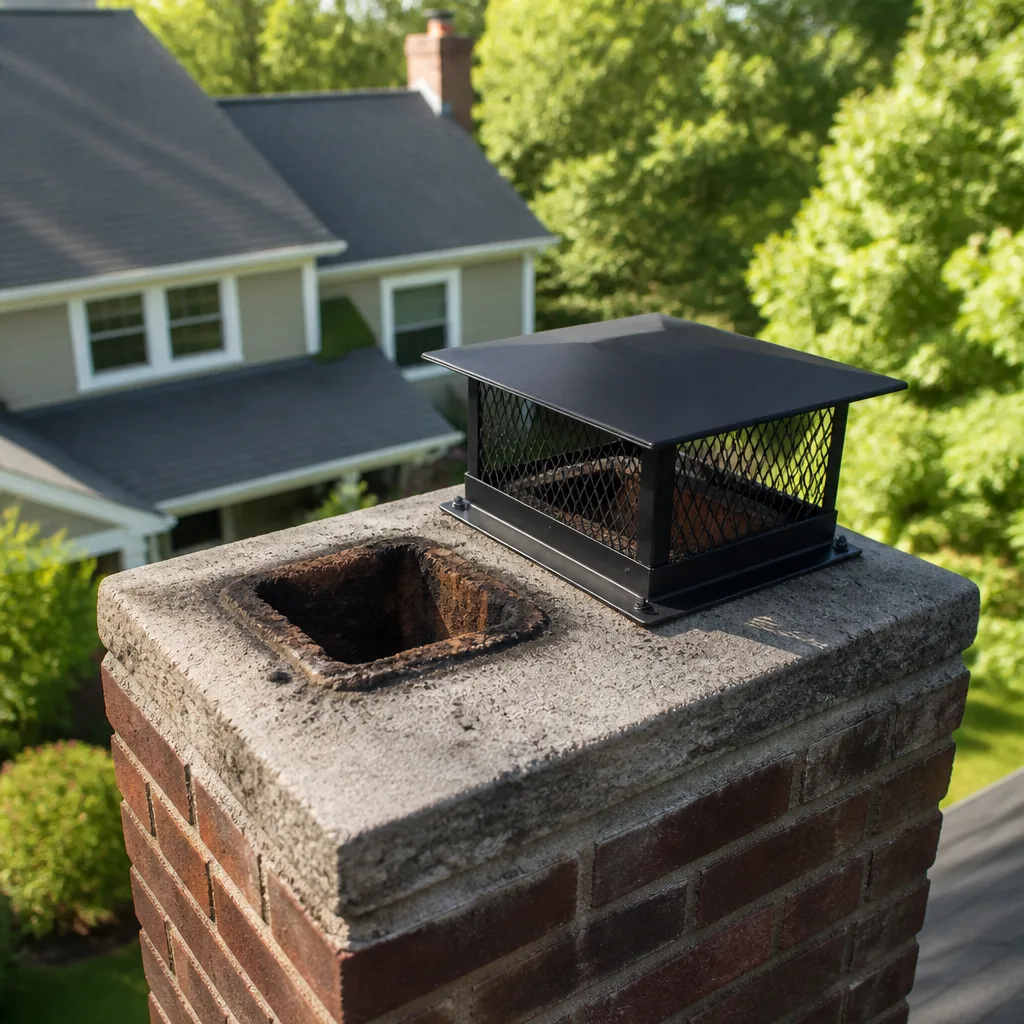 Sweep & inspection
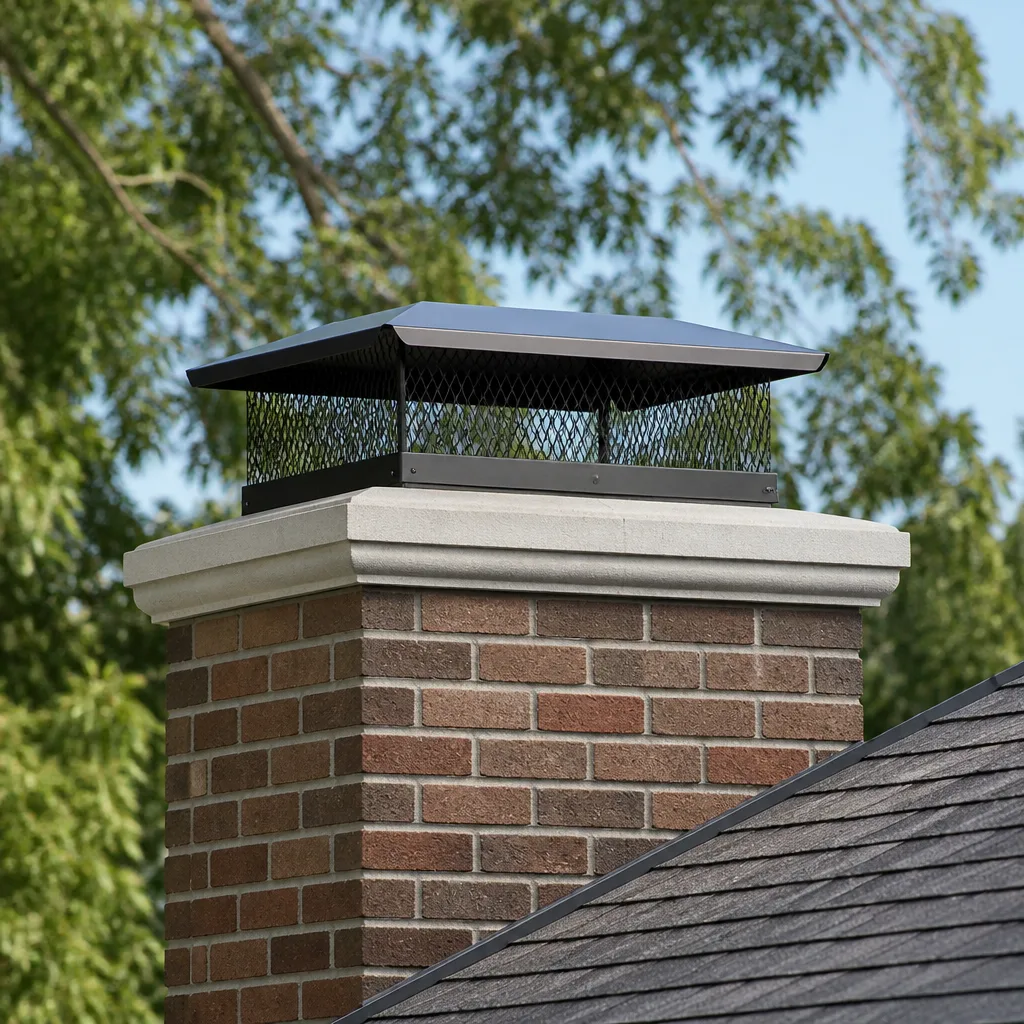 Caps & crowns
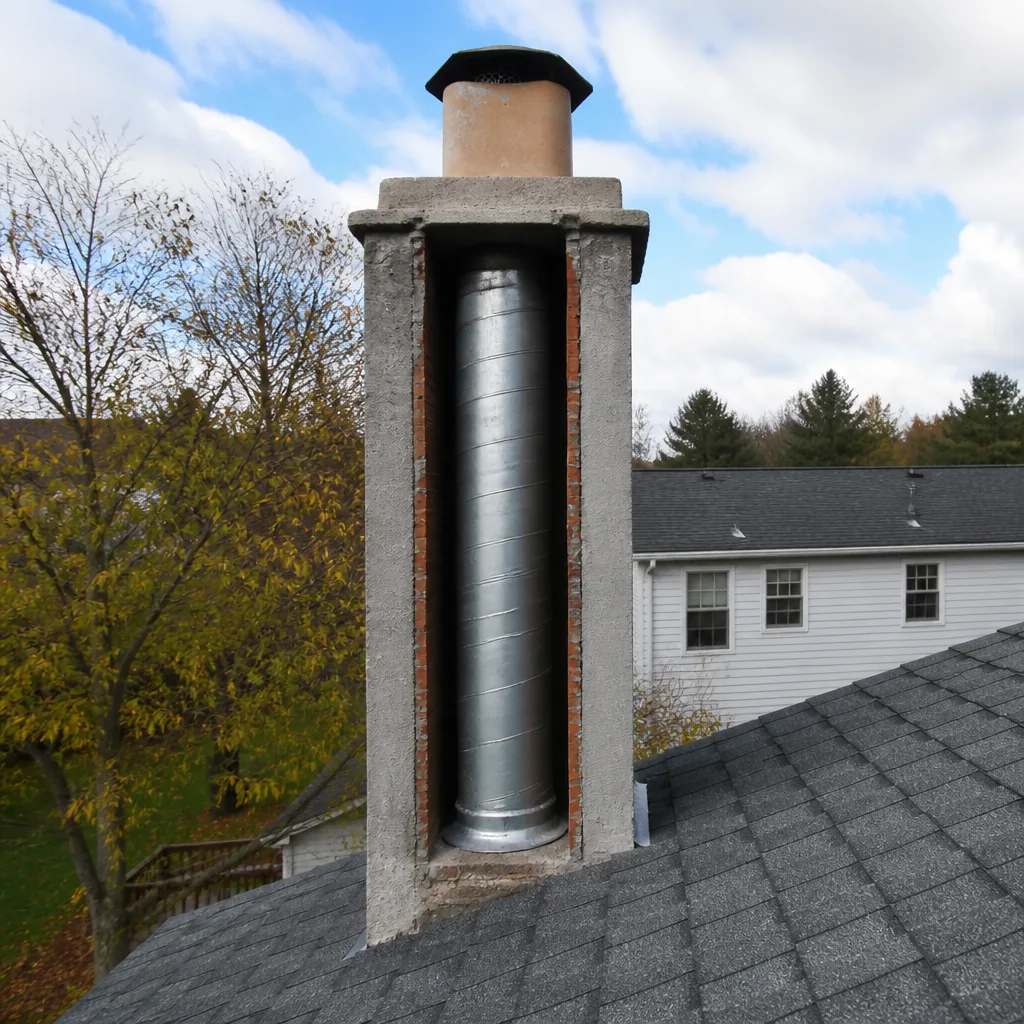 Flue relining
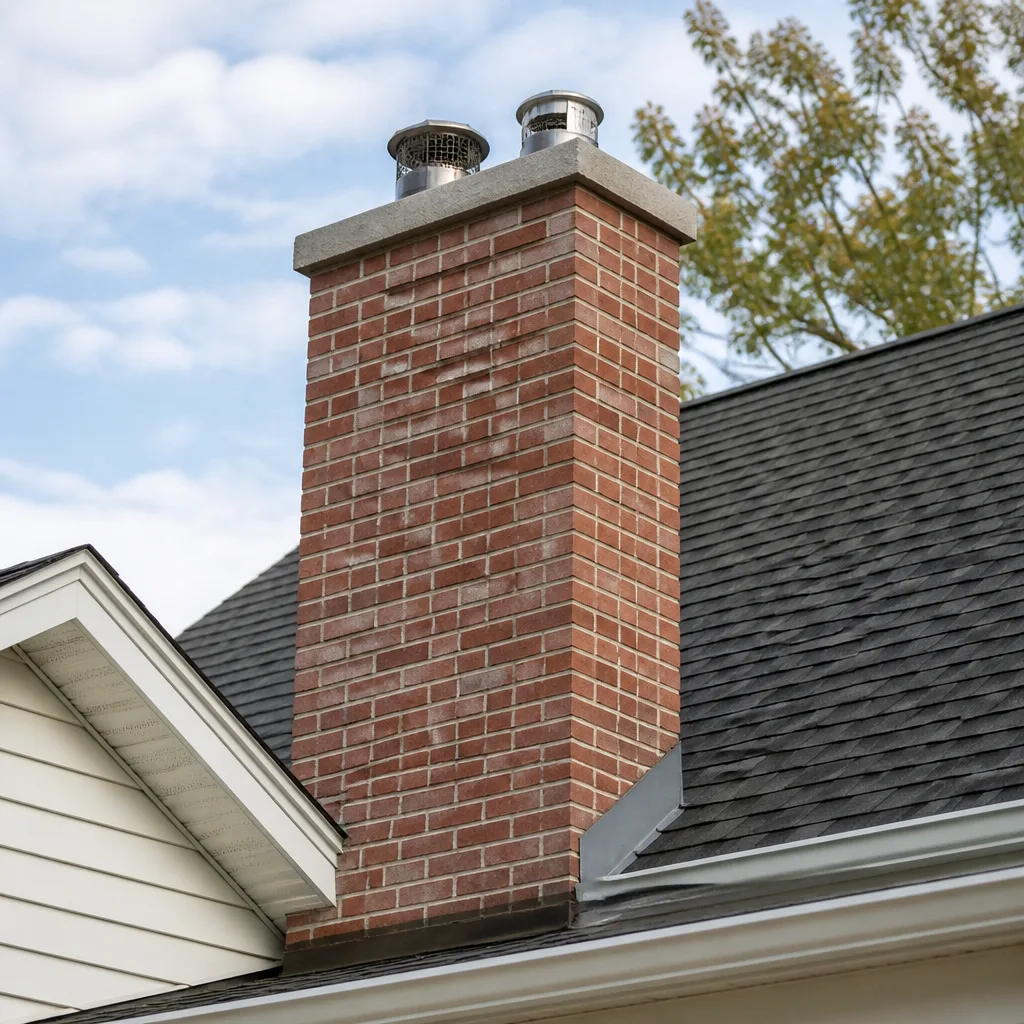 Masonry repair
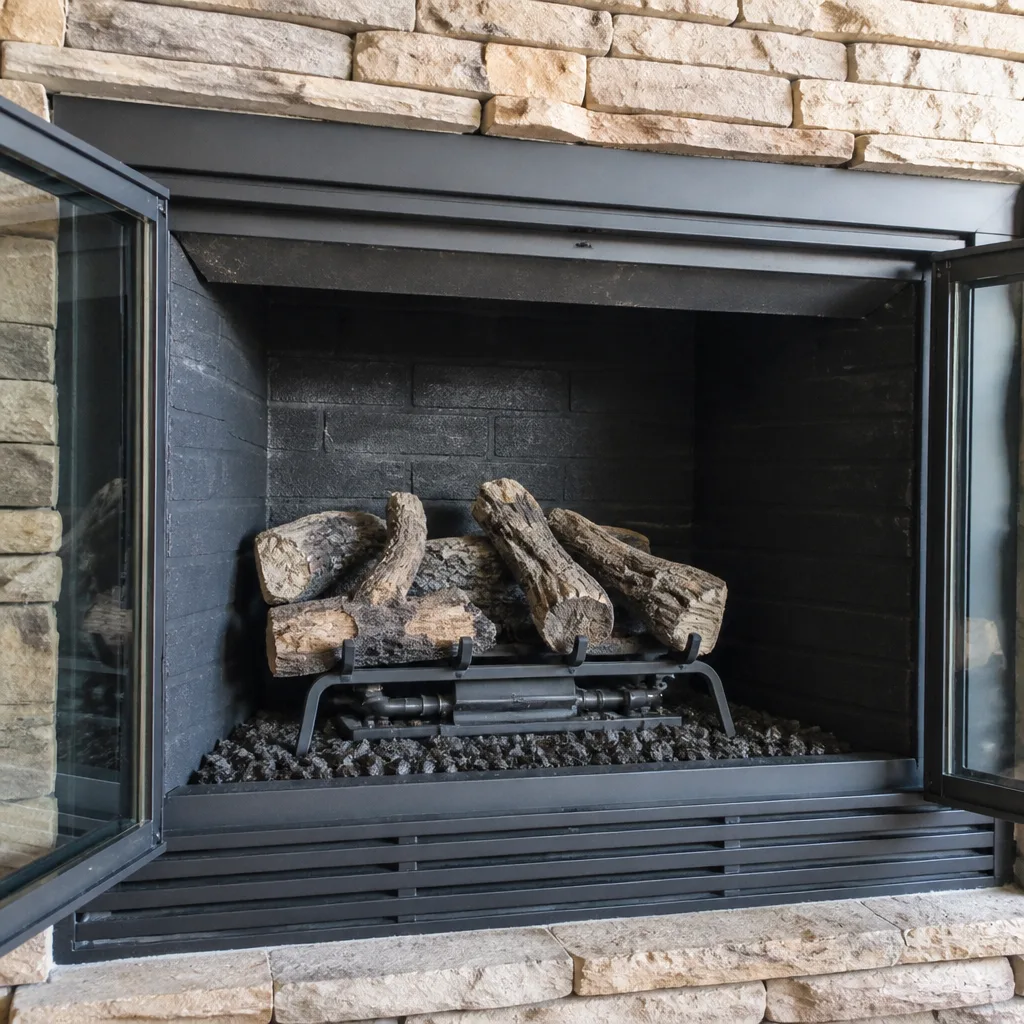 Gas fireplace service
Level 1 sweep and inspection to the NFPA 211 annual standard - flue, crown, cap, and flashing checked and photographed
Chimney sweep logs do not sweep chimneys. They loosen some creosote - which then falls where a brush and vacuum still have to collect it.
How to Hire a Chimney Cleaning Contractor in Layton: A Step-by-Step Guide
There’s no Utah state license required to call yourself a chimney sweep. That means the cheapest bid and the most dangerous bid can look identical on a Google search results page. A homeowner searching “hire chimney sweep Layton UT” sees a wall of business names, a few star ratings, and almost nothing that tells them who actually knows what they’re doing on a roof. The difference only shows up later: in a report you can read, a liner spec that matches your flue, or a repair that holds through a Davis County winter. This guide walks through the credentials worth checking, the questions to ask before anyone climbs up, and how to tell whether you’re hiring a sweep or a repair company. We’ll keep it practical, from people who see Layton chimney systems every week.
Quick Answer
Hire a chimney cleaning contractor in Layton by verifying two things before you book: a CSIA Certified Chimney Sweep credential and proof of liability insurance and bonding. Then ask what the inspection covers, whether the contractor can repair what they find, how they document findings in writing, and what their callback policy is. A qualified contractor screens out on the phone; a cheap sweep usually can’t answer these questions at all.
Styles & brands we work with
- Sweep & inspection
- Caps & crowns
- Flue relining
- Masonry repair
- Gas fireplace service
Table of Contents
- The Two Credentials That Actually Matter
- How to Verify Credentials Before You Book
- The Five Questions to Ask on the Phone
- Why the Lowest Bid Is Often the Most Expensive Outcome
- What a Written Report Should Include After a Cleaning
- Can They Handle the Whole Job, or Just the Sweep?
- What Layton’s Chimneys Actually Face
- Warning Signs on the First Visit
The Two Credentials That Actually Matter
Most chimney certifications don’t tell you much. Two do. If you’re screening contractors in Layton, these are the ones to look for, because they test knowledge and require ongoing education rather than a one-time payment.
CSIA Certified Chimney Sweep. The Chimney Safety Institute of America runs a proctored exam covering venting, combustion, codes, and inspection standards. Certified sweeps also have to recertify on a cycle and stay current with industry standards. The credential means the person on your roof can actually read a flue and understand what they’re seeing, not just run a brush up it.
NFI certification. The National Fireplace Institute certifies technicians in specific fuel categories: wood, gas, and pellet. NFI certification matters most when the work involves installing or repairing venting systems, because it tests for clearances and installation standards that keep the appliance venting safely.
What these credentials test for
- How venting systems work under pressure and why flue sizing matters
- Clearance-to-combustible requirements and how to read them on a real installation
- Levels of inspection (Level 1, 2, and 3) and when each applies
- Recognizing venting defects that create carbon monoxide risk
- Proper installation of liners, caps, and venting components
What they don’t guarantee
A certification tells you the technician was tested and is expected to keep learning. It doesn’t guarantee they’re insured, punctual, or honest about what your chimney needs. You still want to verify insurance separately the way you would with any trade contractor working on your home. Think of certification as the floor, not the ceiling.
How to Verify Credentials Before You Book
Anyone can put a badge image on a website. Verification takes three minutes and saves a lot of second-guessing. Here’s how to check a Layton chimney contractor’s claims in the order that matters.
- Check the CSIA directory directly. The Chimney Safety Institute of America maintains a searchable list of certified sweeps by zip code or city. Search for Layton, and confirm the name on the website matches the name in the directory. Expired certifications drop off the list, so this catches lapses in one step.
- Ask for the insurance certificate. A real contractor can produce a current certificate of liability insurance on request. The certificate should list the business name, not just an individual. If they can’t send it, don’t book. Insurance questions are a normal part of hiring, not an insult.
- Confirm the bonding status. Bonding matters if you’re paying a deposit or if a technician is in your home. It’s usually listed alongside the insurance certificate; ask the contractor to send both.
- Ask who is coming on site. Confirm whether the person climbing on your roof is the certified technician or an assistant. On bigger jobs, the certified technician may supervise; that’s normal. You just want to know who to ask questions of.
- Verify NFI certification if any appliance installation or repair is planned. NFI maintains its own certification lookups. If a contractor says they’re NFI certified, the listing will confirm it.
Two minutes on the CSIA directory and a screenshot of the insurance certificate tells you more than twenty five-star reviews. If a contractor balks at any of these steps, that’s your answer.
The Five Questions to Ask on the Phone
The call before the visit is your best screening tool. You don’t need to be an expert, you just need to ask five questions and listen to how the answers come back. Qualified contractors answer quickly and specifically; unqualified ones get vague or defensive.
1. What does your inspection include?
You want to hear the word “Level 1” or “Level 2” with an explanation of what each means. A basic sweep includes a Level 1 inspection: visual check of the firebox, damper, smoke chamber, and visible portions of the flue. A Level 2 inspection adds a video camera run through the flue and is standard for new-to-you homes, after a chimney fire, or any time a change is being made. If the answer is “we just sweep and look up,” that’s an incomplete answer.
2. Are you insured and bonded?
The answer should be an immediate yes with an offer to send the certificate. If the answer is “we’ve never had a problem,” that’s not an answer to the question.
3. Do you carry repair materials, or is that a separate company?
This is where Layton’s chimney market splits. Sweep-only operations will tell you they can flag the problem but someone else will need to fix it. Companies like ours carry repair-grade materials from lines like DuraFlex, HeatShield, and Olympia Chimney, so what a sweep or inspection uncovers can usually be repaired without a second call. We do our best to make sure what we find, we can fix.
4. How do you document what you find?
You want to hear “written report” or “photo report,” not “I’ll let you know what I see.” A real report includes what was inspected, what was found, and recommended next steps with clear notes on what’s urgent versus what can wait.
5. What’s your callback policy if something comes up after the visit?
Fireplace and chimney systems don’t always behave perfectly on the first try. If a damper sticks a week later, you want to know the contractor will come back. Ask how they handle it. A vague answer is a warning sign.
If you get clear answers to all five, you’re likely dealing with a professional. If two or three of them produce an awkward pause, keep looking. There are enough honest chimney contractors in Layton that you don’t have to gamble.
Why the Lowest Bid Is Often the Most Expensive Outcome
The $99 sweep sounds like a deal. It rarely is. A low-price sweep business has to make margin somewhere, and in chimney services that margin almost always comes from upselling repairs, especially liner replacements, that the homeowner can’t verify. The economics push in that direction, and the homeowner is the one paying for it.
How the low-price model actually works
- The sweep is priced below cost to get in the door.
- The technician arrives without a camera or leaves it in the truck to save time.
- You’re told the liner is cracked, the crown is failing, or the smoke chamber needs costly work.
- You’re shown blurry photos or given verbal findings you can’t check.
- The quote for the “repair” comes in well above what the honest sweep would have cost.
Sometimes the repair is genuinely needed. But when findings are verbal only, when the camera never comes out, and when the recommendation jumps straight to a liner replacement, the incentive structure is telling you something. A trusted chimney sweep doesn’t need to invent problems, because they’re already in the repair business on honest terms.
The other edge of the same problem
The other failure mode is a sweep who finds real problems and can’t fix them. Those contractors may push you toward “call someone later” and never follow up, which leaves the issue to get worse across a Layton winter. Either way, the cheap version costs you twice: once for the sweep and once for the real work that follows.
What honest pricing looks like
A professional sweep quotes a flat sweep price and, if the inspection turns up work, presents a written repair estimate with photos and clear options. Nothing gets done without your go-ahead. The written estimate sets the final price. A contractor who can’t put their numbers in writing, with the diagnosis attached, is asking you to trust them without evidence.
What a Written Report Should Include After a Cleaning
Verbal findings are the single most common way homeowners get taken advantage of in this trade. You can’t verify what you can’t see, and verbal-only findings leave you nothing to check. The written report is your protection, and it’s a normal part of a professional visit. Here’s what a good one contains.
The report should include:
- Date of service and technician name. Simple, but it’s how you track who to call with questions.
- Level of inspection performed. Level 1, 2, or 3, with a one-line note on why that level was chosen.
- Areas inspected. Firebox, damper, smoke chamber, flue, cap, crown, and exterior if applicable.
- Findings with photos. Photos of the flue interior, any cracks, and the cap/crown called out by name. Not stock photos; photos of your chimney.
- Recommended work, separated into urgent and can-wait. A good report tells you which items are safety-relevant and which are maintenance scheduled for later.
- Estimated cost, written. Ranges are fine; ballpark numbers you can compare to later quotes are better than nothing.
If you’ve been through a chimney fire, bought a home with an unfamiliar fireplace, or switched fuels, a Level 2 inspection with a camera is the standard. A written report from that inspection gives you a baseline that stays useful for years. If your contractor won’t put camera footage in the report, ask them to send the file or link; most modern inspection setups produce it easily.
When a fireplace repair or chimney repair is being recommended, the report should specify which part of the system is involved. “Your chimney needs work” is not a diagnosis. “The crown has two surface cracks along the back and a gap at the liner seal” is a diagnosis. Write down the questions you have before the visit so you can ask them while the report is in front of you.
Can They Handle the Whole Job, or Just the Sweep?
The homeowner’s worst-case scenario during a busy season is a sweep who finds a real problem, refers it out, and then the repair contractor can’t schedule for weeks. Layton homeowners get hit by this in the fall, when everyone wants their chimney ready before the first cold snap. Choosing a contractor who can do the full job prevents the second scheduling cycle entirely.
What full-scope actually looks like
Five service categories cover the range: sweeping, inspection, fireplace repair, chimney repair, and cap and crown installation. If a contractor can’t do all five, you’re hiring them for the sweep and finding someone else for whatever the sweep finds. That’s a second call, a second intake, potentially a second trip fee, and a second scheduling window. In tight seasons it’s a second chance to miss the cold weather.
How to check before booking
- Ask directly: “If the sweep finds a cracked crown or a failing liner, can you fix it?”
- Look for a services page or menu that lists repair and installation work, not just sweeping.
- Ask what brands they work with for liners and surfacing. Professional-grade material names like DuraFlex, HeatShield, Gelco, Olympia Chimney, Famco, and Copperfield signal a repair-grade operation. Big-box substitutes don’t hold up the same way.
- Ask whether they handle masonry repair and crown installation.
An honest contractor will tell you if a repair is out of their scope. What you don’t want is the contractor who says yes to everything and then discovers, on the roof, that they need to call someone.
What Layton’s Chimneys Actually Face
Layton winters put specific stress on chimneys that a coastal or southern climate doesn’t. The western slope of the Wasatch Front sees repeated freeze-thaw cycles across December through March, and a chimney takes the brunt of that movement. Freeze-thaw is what opens crown cracks, loosens mortar joints on the chimney exterior, and eventually creates a path for water into the flue. Those small cracks are the start of most of the expensive problems we see on Layton roofs.
Layton’s housing stock runs from older mid-century homes with masonry fireplaces to newer construction with factory-built units and metal flues. Both need regular inspection; both have specific failure modes. Older masonry chimneys tend to develop crumbling mortar and deteriorating crowns; newer prefab systems tend to develop issues at the flue joints and the cap. Neither is a reason to panic; both are reasons to look carefully once a year.
Combustion is the other piece. Homes in Layton are built for cold weather and stay sealed up through the winter. That’s good for efficiency and bad for indoor air if a chimney isn’t venting correctly. Carbon monoxide is the specific risk here, and a compromised flue or a cracked heat exchanger is exactly what a level 2 inspection catches before it becomes a problem. Getting the chimney inspected before the burning season starts is the single most useful preventive step a Layton homeowner can take.
The good news: most problems we find on Layton chimneys are repairable, and they’re cheaper to fix early. A crown crack addressed in the fall is a small repair; the same crack addressed after two winters of water infiltration is a much bigger job.
Warning Signs on the First Visit
You can learn a lot about a chimney contractor in the first ten minutes. These are the specific behaviors that tell you to end the visit and find someone else.
They recommend a liner replacement on the first visit without showing you the flue
A liner replacement is a legitimate and sometimes necessary repair. But it should never be recommended verbally with no camera inspection. If a technician says you need a new liner and can’t show you footage of the inside of the flue, don’t proceed. Ask for the footage in writing. A professional is happy to provide it; an upsell operation will make excuses.
They can’t produce a written report at the end of the visit
See the section above. Verbal findings you can’t verify are the most common problem with cheap sweeps.
They quote a range that swings wildly as the visit progresses
If the number keeps moving, they’re reading you. A professional pulls their findings into a written estimate that stays consistent when you ask questions about it.
They can’t name their brand of liner or their repair materials
Professional-grade materials have brand names. If the technician can’t tell you what they’d install, they probably don’t install anything professional.
They push you to decide immediately
Chimney problems don’t usually need an answer that minute, and a good contractor will let you think it over. Urgency pressure is a sales tactic, not a diagnostic.
Common Mistakes to Avoid
- Hiring purely on Google star count. Reviews are useful context but they don’t verify credentials. Check the CSIA directory and the insurance certificate separately. Two minutes on those two things beats reading thirty reviews.
- Booking the cheapest quoted sweep without asking what’s included. The cheapest sweep is priced to lead to upsells; ask what the inspection covers before you book, and walk away if the answer is “we just sweep.”
- Accepting verbal findings as the report. If the contractor won’t put findings in writing with photos, that’s a hiring decision change, not a negotiation.
- Skipping the inspection when the sweep is “just routine.” A sweep without an inspection misses structural problems. In a Layton winter, that’s a cracked crown waiting to become a roofline leak.
- Assuming any contractor can handle repair after the sweep. Ask up front what the contractor can fix in-house, and whether they work with professional-grade liners like DuraFlex or HeatShield, so you’re not stuck scheduling a second company mid-season.
- Waiting until the first cold snap to book. Layton’s chimney contractors fill up fast in October and November. Book the inspection before the season starts, especially if you moved into a home with an unfamiliar fireplace.
- Not asking about callback policy. A fireplace that stops drafting a week after the sweep is a callback, not a new job. Ask how the contractor handles it before you book.
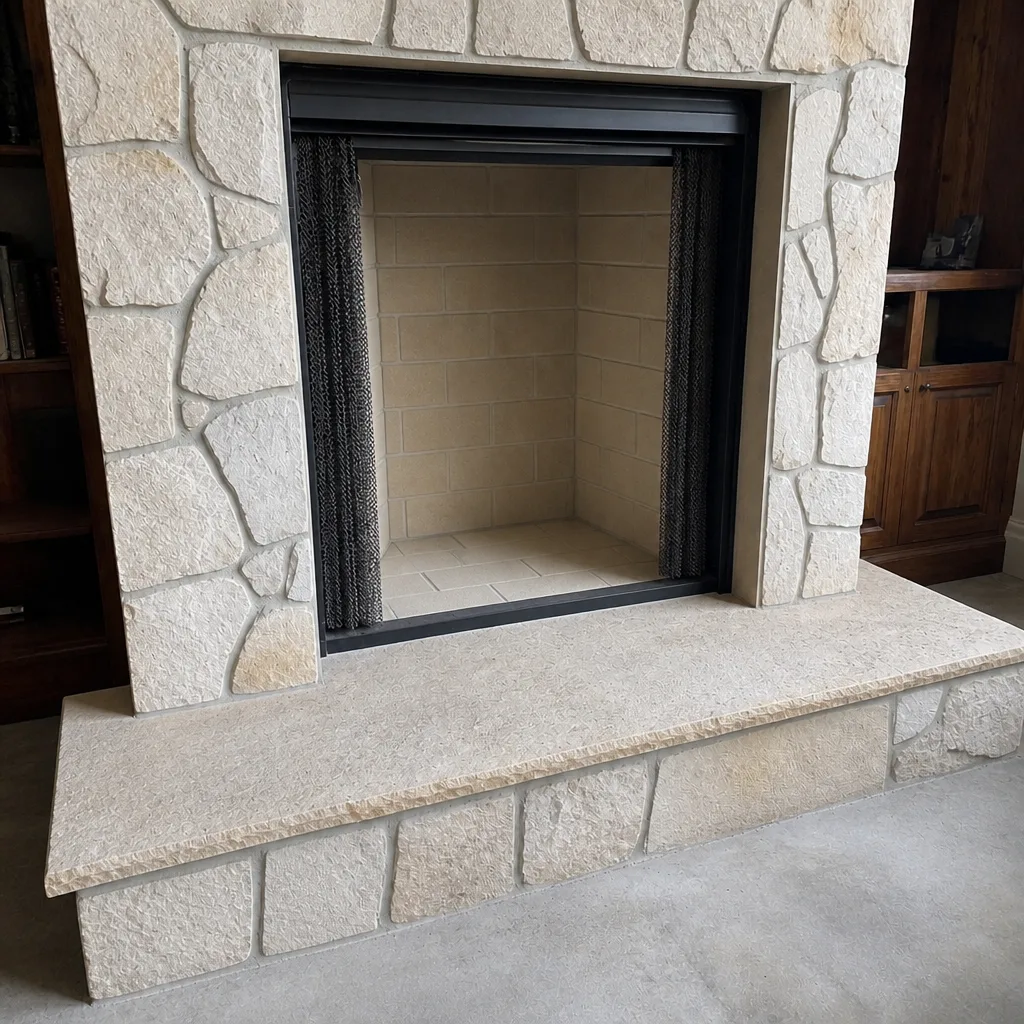
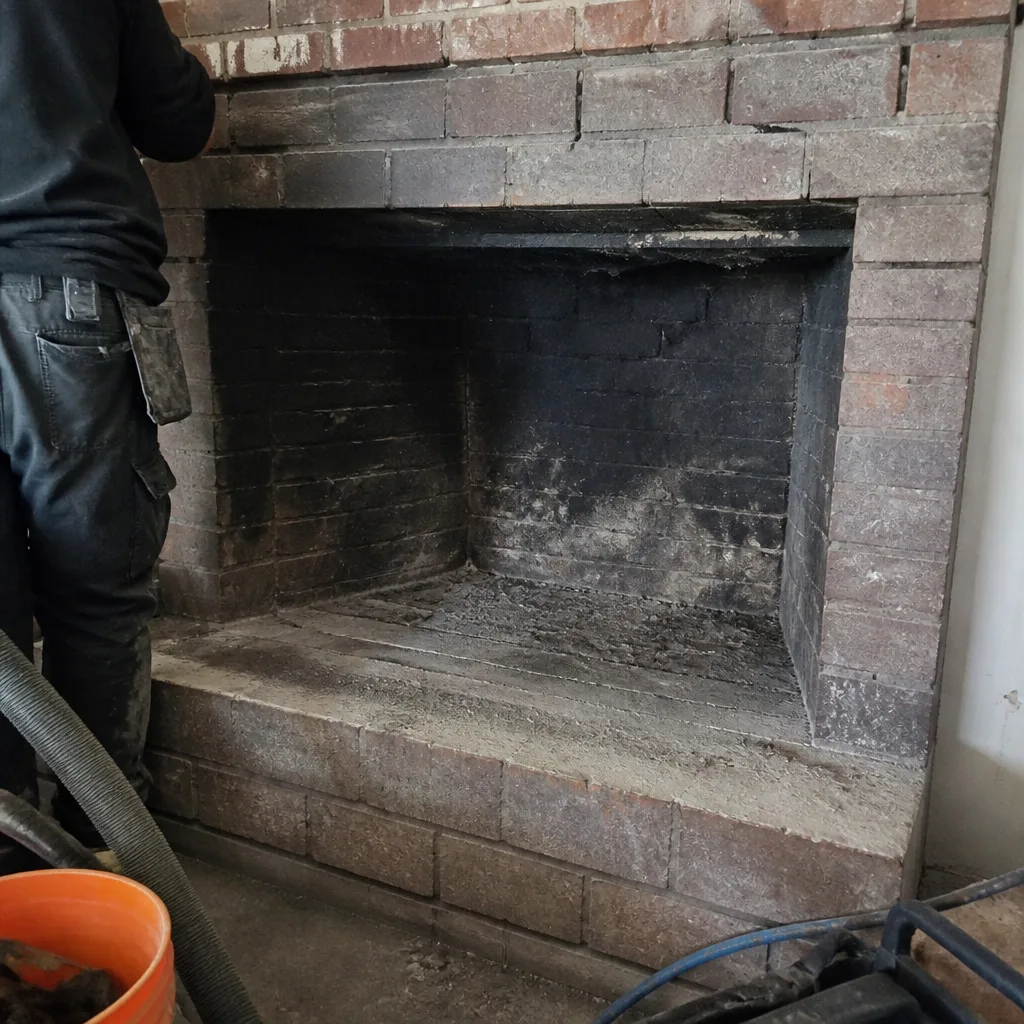
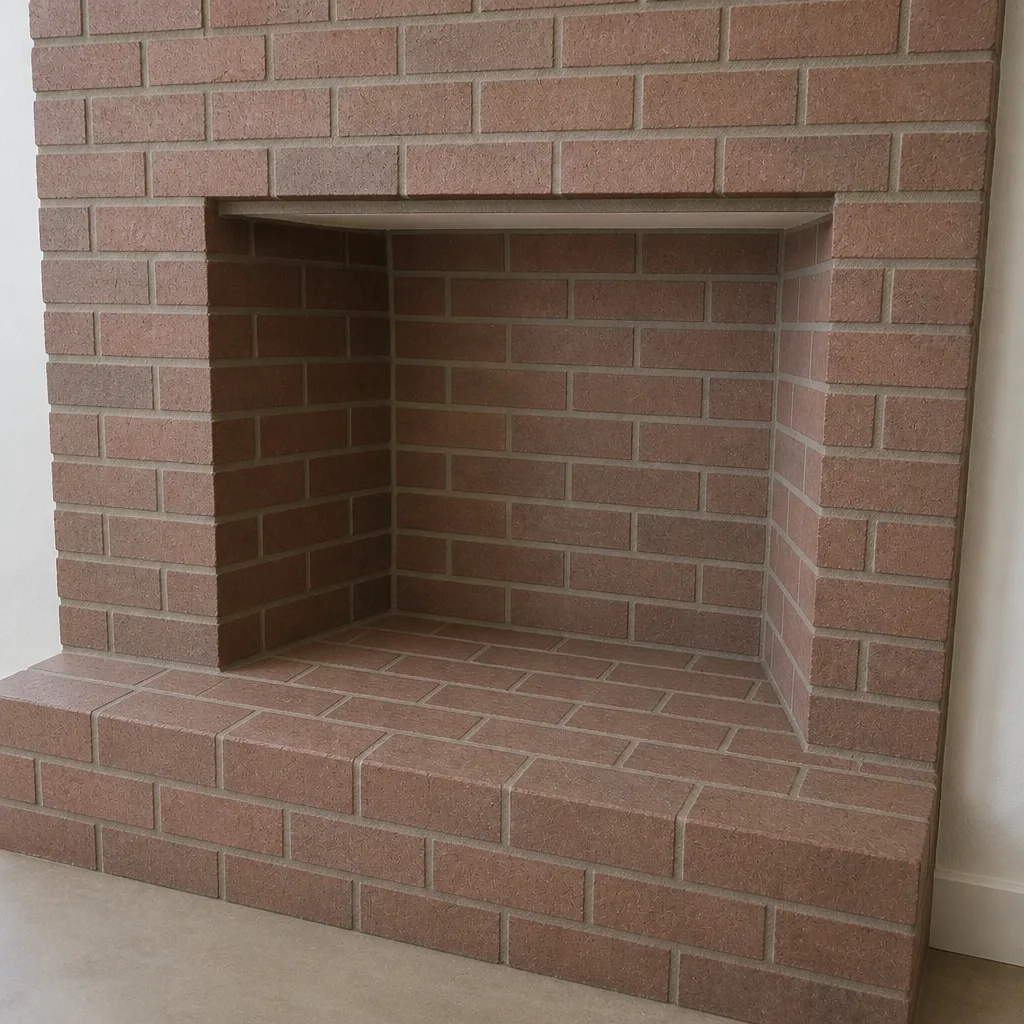
See the difference
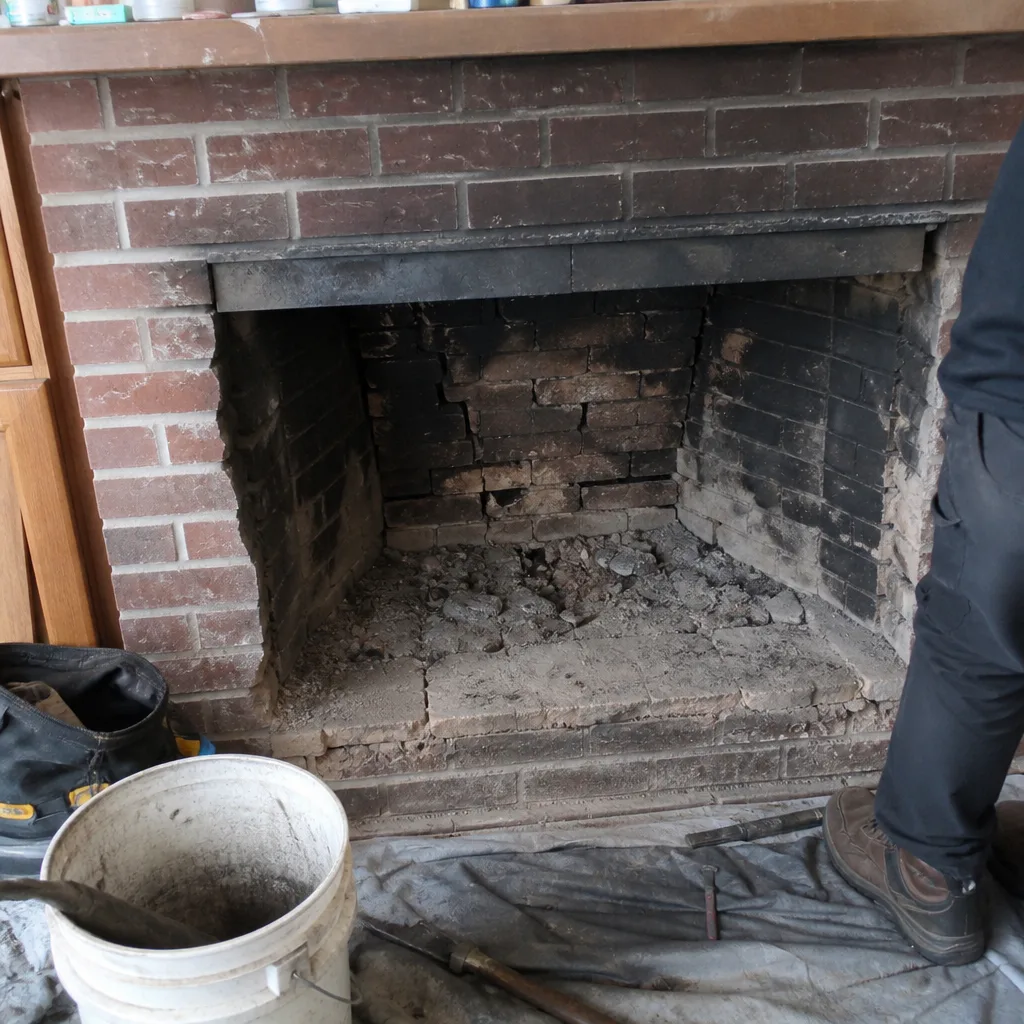 Before
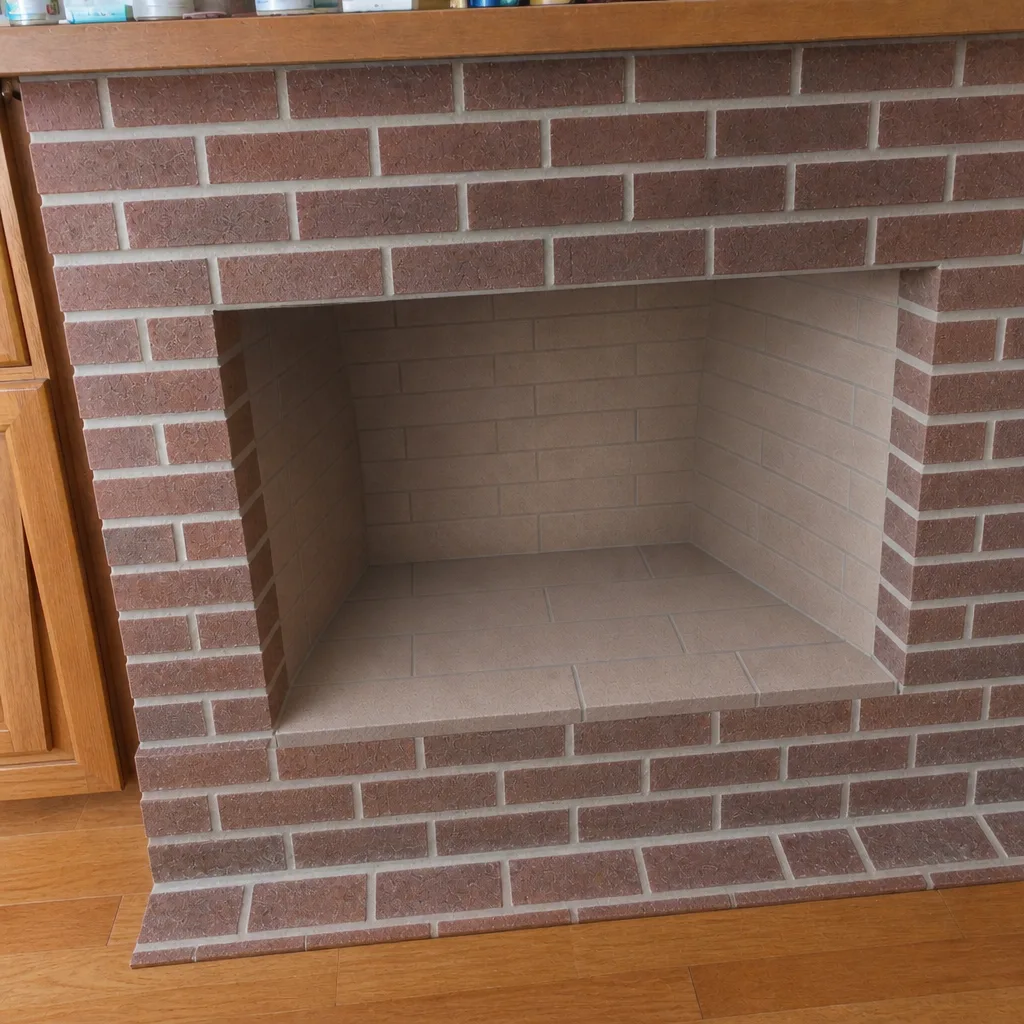 After
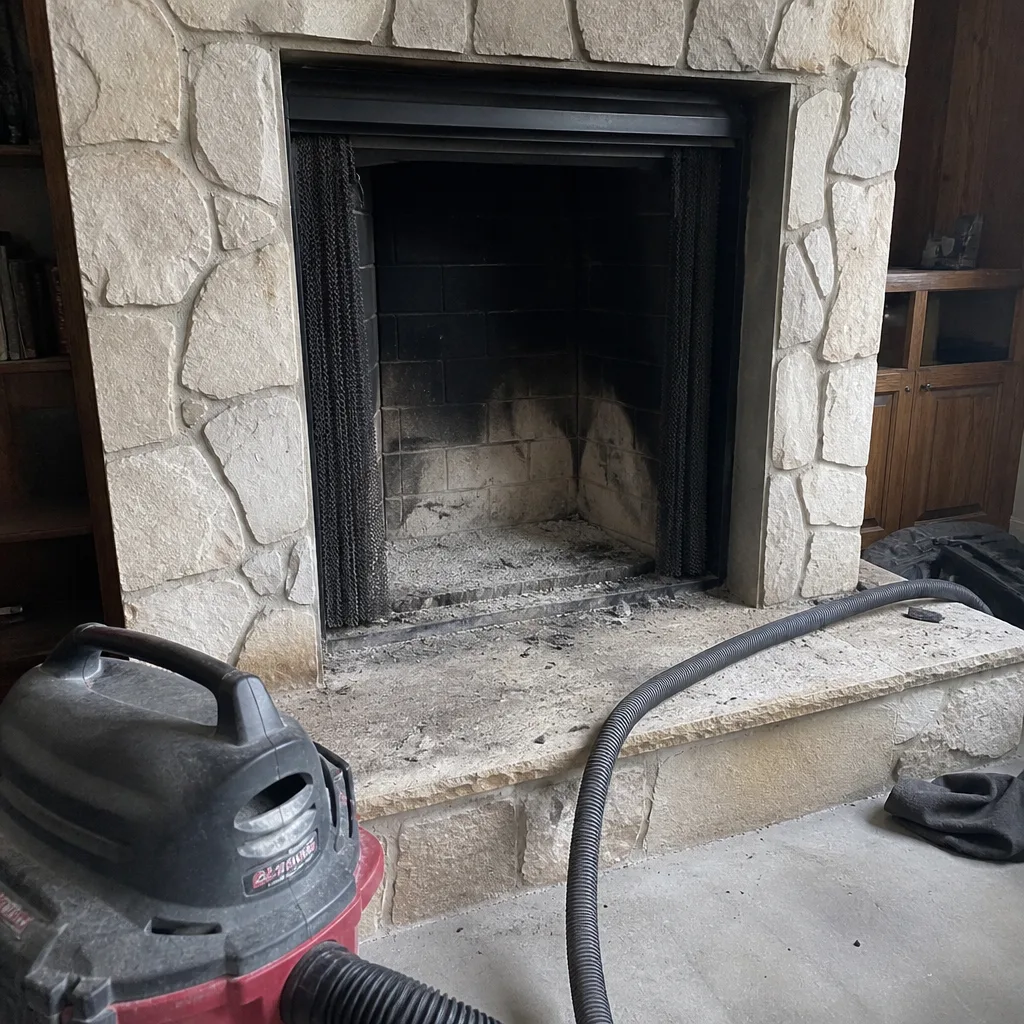 Before
 After
 Before
 After
When to Call a Professional
Not every chimney issue is a call-us-now situation, and part of hiring well is knowing which problems can wait and which can’t. Call a professional promptly if you smell a strong creosote odor inside the house, if smoke comes back into the room when the fireplace is lit, if you’ve had a chimney fire (even a small one), or if you notice water stains on the ceiling near the chimney. Those are urgent signs, and each of them points to a venting or structural issue that needs a professional read before it gets worse. For routine work, call to schedule a yearly cleaning and inspection before the burning season starts. If you’ve just moved into a home in Layton with a fireplace you’ve never used, book an inspection before your first fire. Layton Chimney Sweep offers free estimates in Layton. Call (877) 492-2589. We answer 24/7. Fast dispatch from 7am to 7pm, Sunday through Friday.
Frequently Asked Questions
Look them up directly in the Chimney Safety Institute of America directory by city or zip code. Certifications expire and drop off the list, so the directory shows you who’s current. Cross-check the name on the website against the name in the directory before you book.
Utah doesn’t issue a state license specifically for chimney sweeping, so there’s no state credential to check. That’s why third-party certifications like CSIA and NFI matter more here than in states with licensing, and why verifying insurance and bonding directly with the contractor is a step you shouldn’t skip.
The standard guidance is once a year for a chimney in regular use, up to twice a year if you burn often or burn green wood. The inspection that comes with the sweep catches deterioration from Layton’s freeze-thaw cycles, which is the bigger benefit for most homeowners. Call (877) 492-2589 for an exact quote. Estimates are free.
Sometimes a liner replacement is genuinely required, and sometimes it’s an upsell. The deciding factor is evidence: a camera inspection with footage you can see and a written report that shows the specific flaw. If a contractor recommends a liner replacement without showing you the flue, ask for the footage or get a second opinion. It’s your chimney; it’s fair to want proof.
Creosote builds up inside the flue, and if it ignites, you’ve got a chimney fire that can damage the flue and spread into the structure. Separately, debris and animal nests can block the flue and cause carbon monoxide to back up into the home. Neither outcome is common, but both are what the annual sweep is buying you protection from.
That depends on the company. Sweep-only businesses will refer repair work to someone else, which means a second scheduling cycle and a second trip fee. Look for a contractor who offers sweeping, inspection, fireplace repair, and chimney repair under one company. A full-scope contractor also handles cap and crown installation, which is the fix most Layton chimneys need once freeze-thaw cracks the crown.
The Bottom Line
Hiring a chimney contractor in Layton isn’t complicated once you know what to check. The two credentials that matter are CSIA and NFI; verify them directly. The five questions on the phone screen out unqualified sweeps in ten minutes. A written report with photos is non-negotiable. And a contractor who can handle both the sweep and the repair saves you a second scheduling cycle, especially during a Layton fall. If the number looks too good, the incentive structure behind it probably tells the rest of the story. Nothing should be done to your chimney without evidence you can see. Our technicians have up to 12 years of experience, and our approach is simple: Layton Chimney Sweep inspects it, cleans it, and fixes it, in one visit, from one company, using contractor-grade materials from brands like DuraFlex and HeatShield. Call (877) 492-2589 for a free estimate. We answer 24/7. Fast dispatch from 7am to 7pm, Sunday through Friday.
Written by the team at Layton Chimney Sweep.