
Last updated November 24, 2026
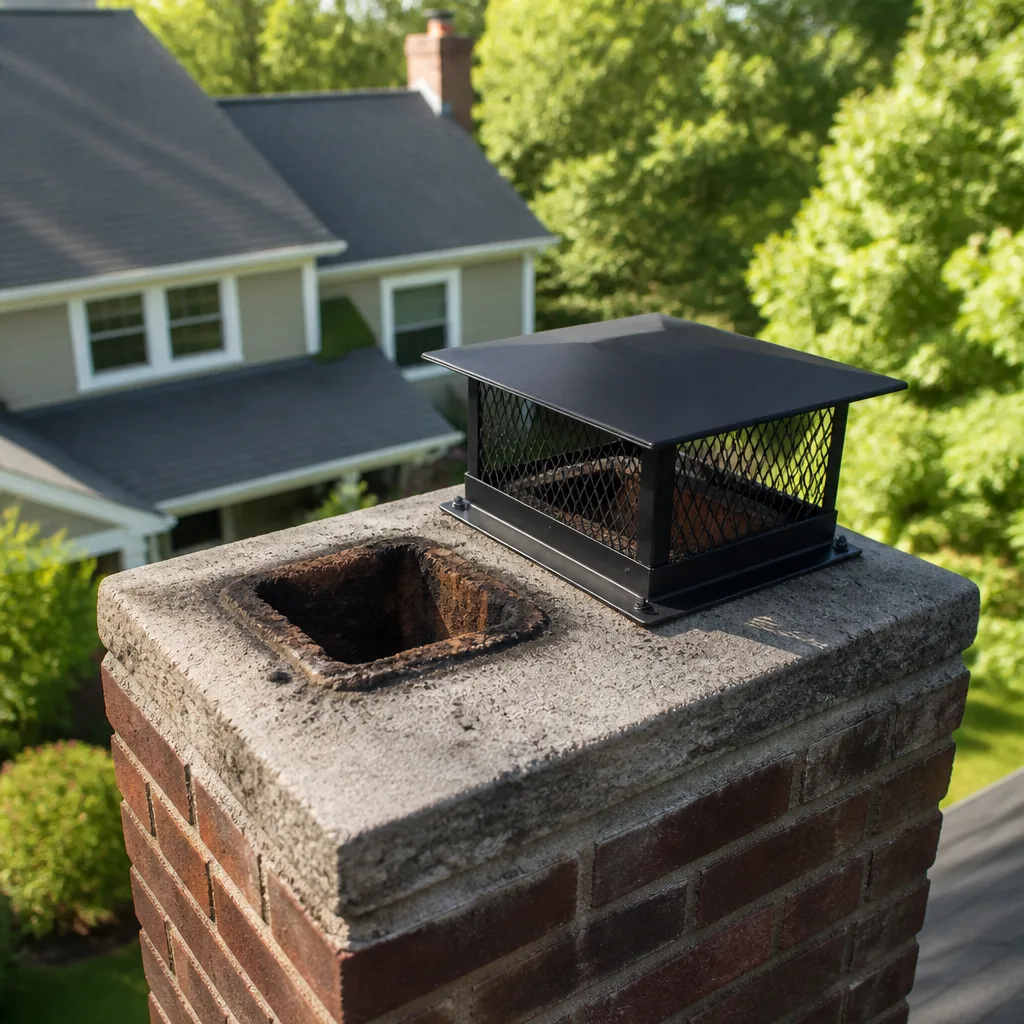 Sweep & inspection
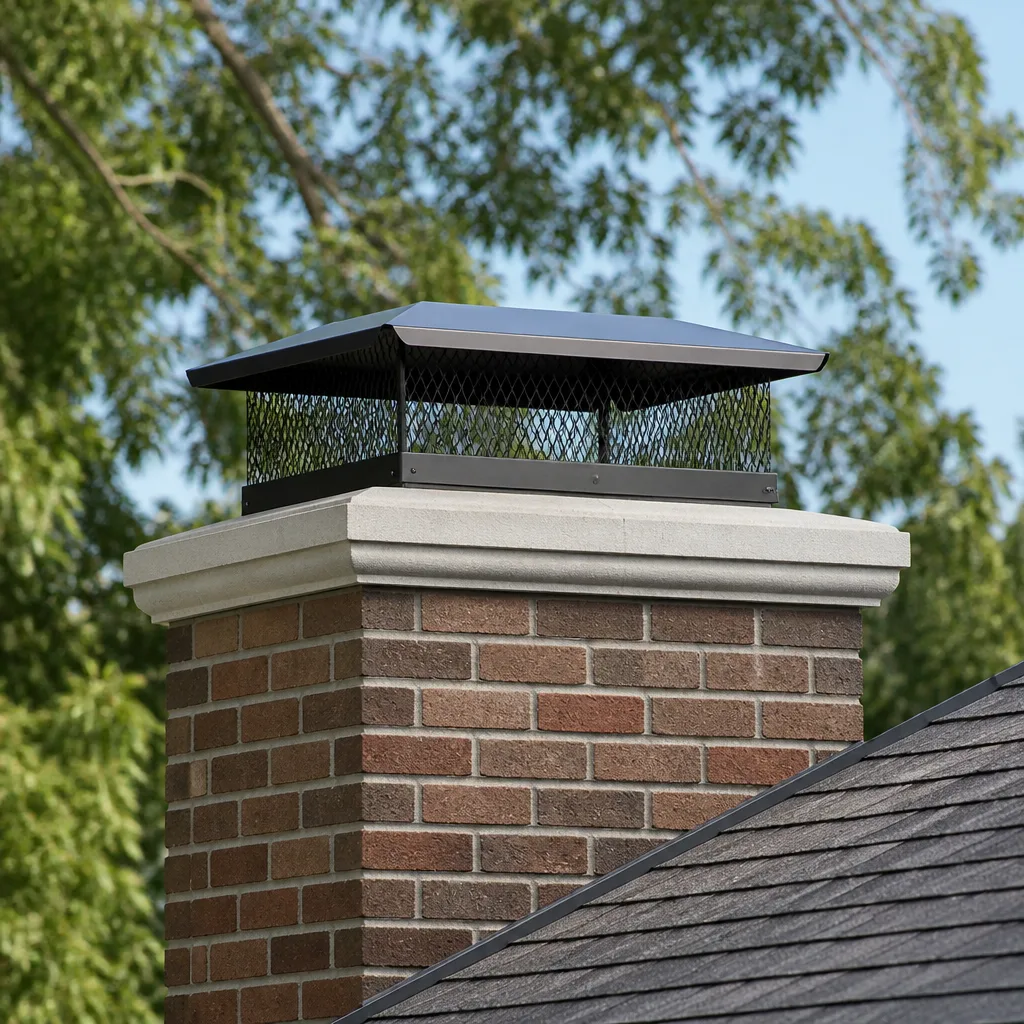 Caps & crowns
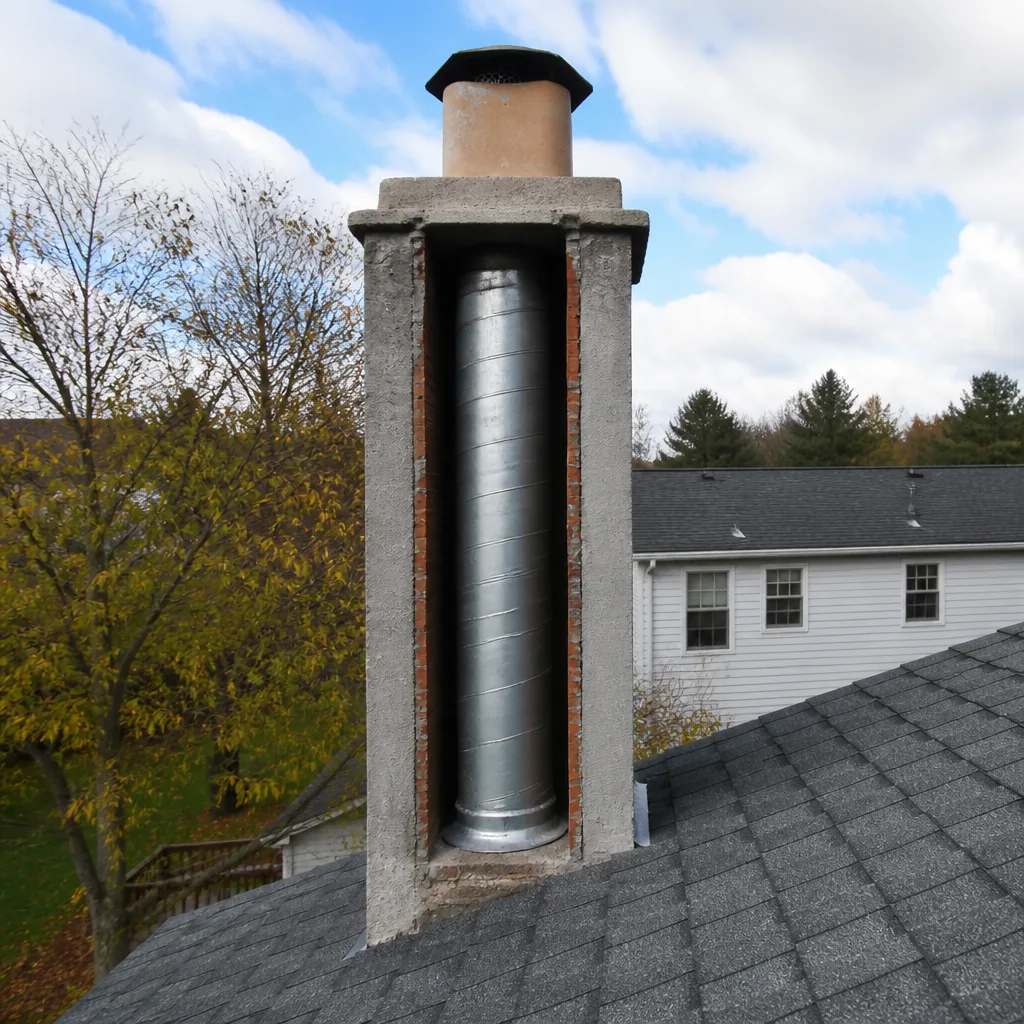 Flue relining
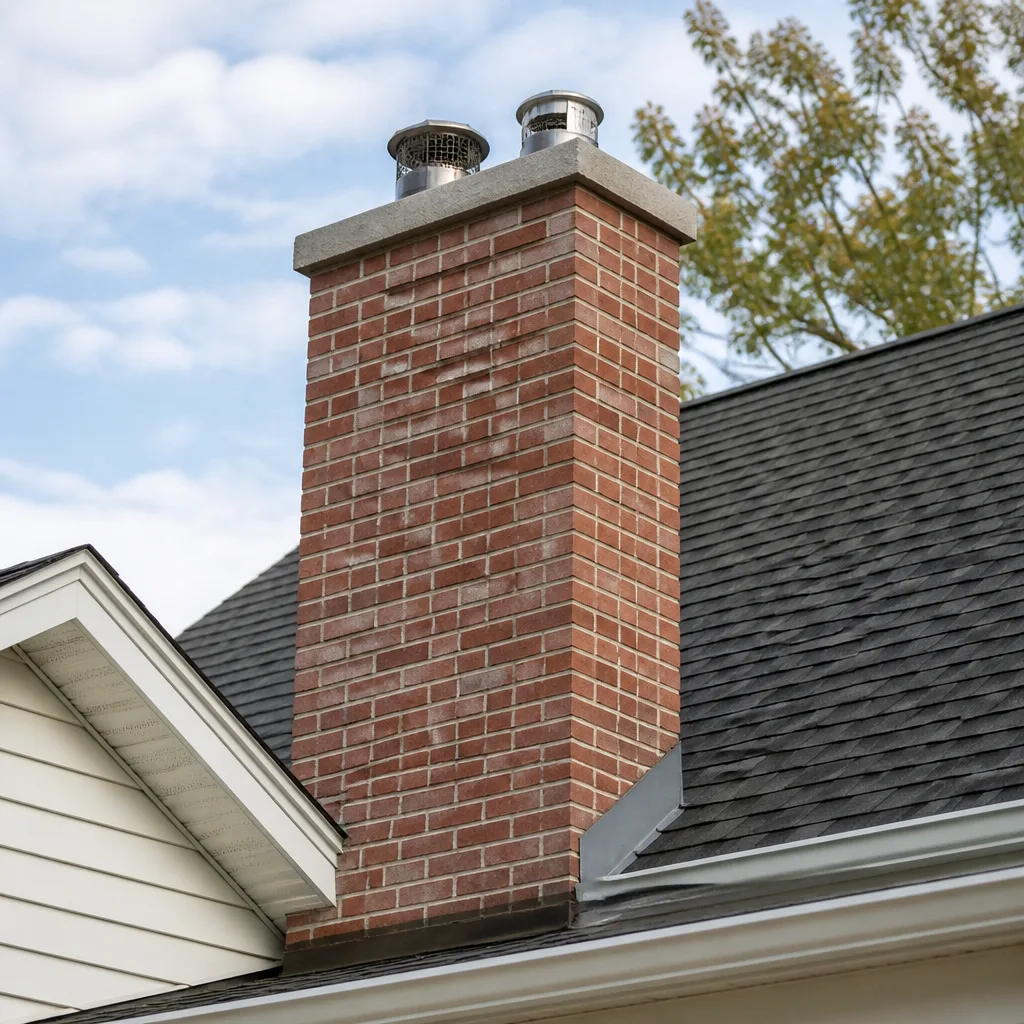 Masonry repair
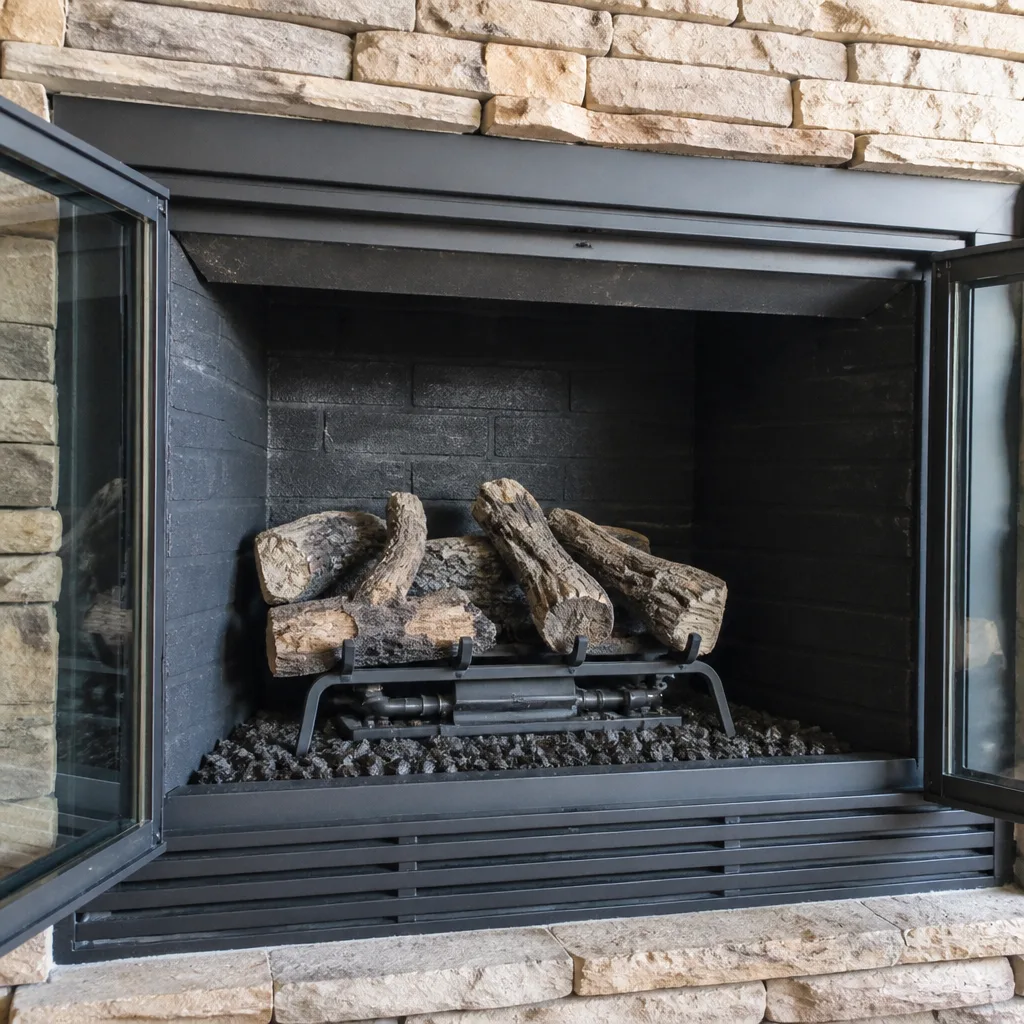 Gas fireplace service
Level 1 sweep and inspection to the NFPA 211 annual standard - flue, crown, cap, and flashing checked and photographed
Chimney sweep logs do not sweep chimneys. They loosen some creosote - which then falls where a brush and vacuum still have to collect it.
Seasonal Chimney Cleaning Care for Layton: Year-Round Homeowner’s Guide
Most homeowners in Layton assume chimney problems announce themselves in the dead of winter. They don’t. The damage accumulates quietly through spring runoff and the dry, bright summer months, and the first real cold snap is when it surfaces. Chances are you’ve heard someone talk about the October rush, when furnaces kick on and fireplaces get lit for the first time in months. That’s not coincidence. It’s the predictable result of a chimney that went untouched since spring. This guide walks you through what each season asks of your chimney in northern Utah, from March cleaning windows to the December inversion, and what you can do about it before it becomes a real problem.
Quick Answer
The best time to schedule chimney cleaning and inspection in Layton is spring, roughly March through May, when creosote is loose and winter moisture damage is still fresh and easy to spot. A second useful checkpoint is early fall, before October 1, so you’re ahead of the pre-season rush. Year-round care means paying attention to each season’s specific pressures: spring cleaning, summer weatherproofing, fall readiness checks, and winter monitoring if you burn heavily.
Styles & brands we work with
- Sweep & inspection
- Caps & crowns
- Flue relining
- Masonry repair
- Gas fireplace service
Table of Contents
- Why Spring Is the Best Time to Schedule a Chimney Sweep in Layton
- What Layton’s Summer Does to Chimney Components
- The Fall Pre-Season Checklist Before First Use
- Winter Monitoring: When Mid-Season Cleaning Makes Sense
- Gas Insert vs. Wood-Burning: Seasonal Care Differences
- Layton Chimney Care by Season: A Quick Reference
- Signs Your Chimney Needs Attention Right Now
- Common Mistakes to Avoid
Why Spring Is the Best Time to Schedule a Chimney Sweep in Layton
Spring is the single most useful season for chimney work in Layton, and most homeowners skip it. During the winter burning season, creosote builds up inside the flue liner. By the time the weather warms and the fireplace sits idle, that creosote has dried out and begun to loosen. A spring sweep captures it while it’s at its most removable. Wait until fall and you’re dealing with glazed, stubborn deposits that were baked harder by a summer of sitting in a closed-up flue.
There’s a second reason spring matters: winter damage is fresh and visible. Freeze-thaw cycles along the Wasatch Front push moisture into mortar joints and crown seals. When water gets into a hairline crack, freezes, and expands, the crack grows. By spring, those cracks are still identifiable and often small enough to repair with the right materials before they spread. A chimney repair in spring usually costs less than the same problem addressed after another winter of freeze-thaw cycles.
Scheduling is simply easier. The fall calendar fills up fast once the first cold fronts hit the forecast and everyone remembers the fireplace. Spring appointments are easier to get, and you aren’t competing with a homeowner down the street whose chimney is smoking and can’t wait.
A spring visit from a chimney specialist should include:
- A full sweep of the flue to remove soot and creosote
- A camera inspection of the liner, especially any offset or transition
- A check of the crown, cap, and flashing for winter damage
- A firebox and damper assessment for cracks or function
- A written report with photo documentation, so you can see what we saw
If the inspection turns up a surprise, spring gives you months to plan the repair before you need the fireplace again. If it turns up a cracked crown or a failing cap, that’s a job our team can quote the same visit, using professional-grade materials that hold up through the next northern Utah winter. A clean chimney is the starting point; a weather-tight one is the goal.
What Layton’s Summer Does to Chimney Components
Layton summers are hard on more than your lawn. The combination of high UV exposure, low humidity, and occasional monsoon-style storms in July and August is a specific recipe for chimney degradation. The masonry itself stays relatively stable in summer. The components that protect it are the ones that take the hit.
Crown sealant
The crown is the concrete or mortar cap on top of the chimney that sheds water away from the masonry. Layton’s UV load is substantial from June through August, and that sun degrades sealant year after year. When the sealant cracks, water gets behind it, and the first hard freeze in October can split the crown further. If your crown has visible cracks or lost material, this is the season to reseal or rebuild it.
Mortar joints
Low humidity pulls moisture out of masonry, and mortar in particular can dry and shrink slightly over a hot summer. Small cracks that weren’t there in spring can appear by August. Left alone, they widen with the next freeze-thaw cycle. Repointing in late summer, before the first cold snap, is simpler and cheaper than repointing after a winter of moisture cycling.
Chimney cap oxidation
Galvanized caps rust from the inside out over time. The cap’s job is to keep rain, snow, and animals out of the flue. Once it’s compromised, you’ve lost that protection, and it can be expensive to discover in October that a bird or squirrel has taken up residence. A professionally installed stainless cap from a brand like Olympia Chimney lasts decades longer than the builder-grade ones on many Layton homes.
Liner assessment
Summer is the low-risk season for liner inspection because the fireplace is idle. If your liner has cracks or gaps (visible on camera), you have time to plan a reline before winter with a system like DuraFlex. Getting a reline quoted in summer is much easier than doing it in a panic in December.
Our technicians have up to 12 years of experience, and that matters most in summer. Small, cosmetic-looking issues found in July are the ones that become structural problems by December. We inspect it, clean it, and fix it, all in one relationship, so nothing sits in a queue waiting for another vendor.
The Fall Pre-Season Checklist Before First Use
Before you light the first fire of the season, do these checks. A few take just minutes, and they’ll catch most of the problems that make the first cold snap stressful.
1. Test the draft
Light a small piece of rolled paper in the firebox and watch the smoke. It should rise cleanly up the flue. If smoke spills into the room, the chimney is blocked, or the pressure in the house is pulling harder than the draft. Don’t light a fire until this is resolved.
2. Check the damper
Open and close the damper fully. It should move smoothly through its full travel. A damper that sticks, doesn’t fully open, or won’t sit flush when closed is a fall-specific problem. It’s often simple to fix but easy to miss until you’re trying to shut down a fire.
3. Visually inspect the firebox
Look for cracks in the firebrick, crumbling mortar at the firebox joints, and a straight, unbroken smoke shelf. Anything compromised in the firebox is worth a professional look.
4. Look down from the roof or up from the ground
You don’t need to get on the roof. From the ground with binoculars you can often see if the cap is missing, tilted, or clearly rusted through, and if there’s obvious debris like a bird’s nest at the top of the flue.
5. Confirm your last sweep date
The general rule is a sweep once a year for normal use, or more often if you’re burning a lot. If you don’t remember the last sweep in Layton, treat the fall as your checkpoint.
Schedule the pre-season inspection in September or very early October, before the rush. In our experience the calendar fills quickly once the first overnight freeze shows in the forecast for Layton, and a job that could have been done in September often waits an extra two or three weeks in October. Booking early is the single easiest way to avoid that.
Winter Monitoring: When Mid-Season Cleaning Makes Sense
Most Layton homeowners don’t need a mid-season sweep. But if you burn frequently, monitoring matters. The two variables that matter are how much wood you burn and how many hours per week the fireplace is running.
Rough usage thresholds
- Light use (a fire most weekends): Annual sweep is enough.
- Moderate use (a few fires per week): Annual sweep, plus a visual check each January.
- Heavy use (daily fires through the winter months): Plan on a mid-season cleaning, typically January or February, if you’re burning through a cord or more by that point.
If you’ve burned roughly two cords of well-seasoned hardwood since the last sweep and you’re still lighting fires regularly, schedule a mid-season cleaning. The problem isn’t just buildup, it’s the type. Creosote forms in stages, and heavier use pushes it toward glazed, hard deposits that are harder to remove. Catching it mid-season keeps the cleaning straightforward.
If you notice the following, don’t wait for a scheduled visit:
- Smoke coming back into the room when the fireplace is running
- A sudden change in how the fire draws
- Unusual smell when the fireplace isn’t in use
- Visible soot on the lintel or glass doors
Any of these can indicate a partial blockage or a liner issue. Give us a call at (877) 492-2589. We answer 24/7. Fast dispatch from 7am to 7pm, Sunday through Friday. A fire in the fireplace is not a DIY project once it misbehaves, and worth a professional eye before you burn again.
The wintertime inversion in northern Utah traps cold air in the valley, and fireplaces get hard use through December and January. That’s normal and healthy. What’s not normal is running a fire without knowing what’s inside the flue. A camera inspection takes minutes and tells you exactly where things stand.
Gas Insert vs. Wood-Burning: Seasonal Care Differences
Gas inserts don’t produce creosote the way wood-burning fireplaces do, but that doesn’t mean they need less care. It means different care. Both need annual attention, and skipping it is the most common mistake we see in homes with gas appliances.
What gas inserts produce
Gas appliances in Layton are vented out of the home, usually through an existing flue or a dedicated vent. That exhaust carries water vapor, trace carbon monoxide (in a properly burning unit, at safe levels), and trace amounts of sulfur compounds. Those compounds can form a mild acidic residue inside the flue and vent that attacks metal over time. The flue on a gas appliance is still working, still collecting soot and dust from the room, and still subject to inspection.
Gas-specific annual tasks
- Inspect the vent for corrosion, blockage, or disconnection
- Clean the firebox and glass front (buildup reduces efficiency and appearance)
- Check that the vent cap is intact, so birds and debris stay out
- Test the ignition system and controls
- Confirm carbon monoxide detection (which every home should have on every floor)
Roughly the same seasonal calendar
Gas inserts benefit from the same spring inspection and fall readiness check as wood fireplaces. A professional sweep in spring covers both the flue condition and any venting issues. The one thing gas inserts don’t need is a mid-season creosote sweep in the middle of winter, because they don’t produce creosote in the way wood does. The rest of the schedule holds.
Layton homeowners with gas inserts often overlook inspections because there’s no wood smoke to remind them. That’s the trap. An annual inspection catches problems with venting, seals, and the appliance itself while they’re small. Our full-service approach covers inspection, maintenance, and the fireplace repair work that gas inserts sometimes need (thermocouple replacements, gas log issues, firebox component repair) without a separate appointment.
Layton Chimney Care by Season: A Quick Reference
Here’s what each season asks of your chimney at a glance. The specifics matter, but this is the short version to keep in mind through the year.
- Spring (March – May): Full sweep, camera inspection, address winter moisture damage. Best window for a reline quote if one is needed. Low competition for appointments.
- Summer (June – August): Weatherproof and repair. Reseal or rebuild the crown, repoint mortar, install or replace the cap, plan liner work. This is the low-risk season for planning repairs.
- Fall (September – October): Pre-season checklist. Test draft, check damper, inspect firebox, confirm last sweep date. Book before October 1 to avoid the pre-season rush.
- Winter (November – February): Monitor. Watch for smoke backup, strange smells, or changes in how the fire draws. Consider mid-season cleaning if you’re burning more than a cord of wood since the last sweep.
- Year-round: Keep an eye on the cap and crown from the ground. Water damage shows up first at the top of the chimney, and it’s the most common cause of chimney repair we see in Layton.
The single insight that ties it all together: the four seasons don’t act on your chimney equally. Spring cleaning sets up a safe fall. Summer weatherproofing prevents winter water damage. Fall readiness prevents a first-cold-snap surprise. Winter monitoring is really about staying inside a safe zone if you burn heavily. Miss any of these and the following season is harder than it needs to be.
Signs Your Chimney Needs Attention Right Now
Some signs skip the seasonal schedule entirely. If you notice any of these, don’t wait until spring or fall.
- Smoke backing into the room when the fireplace is running. This is the clearest signal of a blockage or pressure problem.
- A strong smell of creosote or burnt wood when the fireplace is off, especially on warm days.
- Visible soot above the fireplace opening on the wall or mantel, suggests draft problems.
- Water staining inside the firebox or on the masonry, which suggests a failed crown, flashing, or cap.
- Crumbling mortar between the bricks on the chimney exterior, a sign of moisture intrusion.
- Cracks in the firebox firebrick, a safety concern that warrants an immediate look.
- Damaged or missing chimney cap, which invites animals, rain, and debris into the flue.
If you’re seeing one or more of these, the seasonal schedule goes out the window and the chimney needs a professional inspection sooner rather than later. Our chimney sweep service includes a camera inspection and photo report with every visit, so you see exactly what we see. Our full-service scope means if the inspection finds a masonry crack, a failing crown, or a liner issue, our team can quote the chimney repair work as part of the same visit under one estimate. No separate vendors for separate problems.
That photo documentation matters to Layton homeowners who have heard conflicting advice about their chimneys. Your written estimate is based on what the camera and inspection actually show, and if a recommended repair can safely wait another season, we tell you that too. We don’t recommend work that isn’t evidenced.
Common Mistakes to Avoid
- Waiting for the first cold snap to call. In Layton, October is the busiest month for chimney appointments. A job that would have been done in September can wait an extra two or three weeks if you call after the first overnight freeze.
- Skipping the summer because “nothing is wrong.” The crown cracks and mortar joints that go unnoticed in August are the ones that cause costly chimney repair after a winter of freeze-thaw cycling. Summer is when weatherproofing prevents winter damage.
- Assuming gas inserts don’t need annual inspection. They don’t produce creosote, but the vent, seals, and controls all still need a yearly look. This is one of the most common gaps we find in Layton homes.
- Going straight to a masonry contractor for a problem that’s a chimney issue. Water damage at the top of the chimney is often a crown, cap, or flashing problem, not a masonry rebuild. Get a chimney-specific inspection first so you know which repair is actually needed.
- Using generic hardware-store caps and sealants. The builder-grade caps and thin sealants many homes start with fail years faster than professional-grade materials. When it’s time to replace, the brand matters.
- Burning unseasoned wood. Green or freshly-cut wood produces more creosote per fire. Seasoned hardwood (dried a minimum of six months, ideally a year) makes a real difference in buildup rate, especially in heavy-use households.
- Trusting a sweep without a camera inspection. A chimney that looks fine from the firebox can have a cracked or displaced liner. Camera inspection is the only way to know, and it should come with photo documentation of what the camera saw.
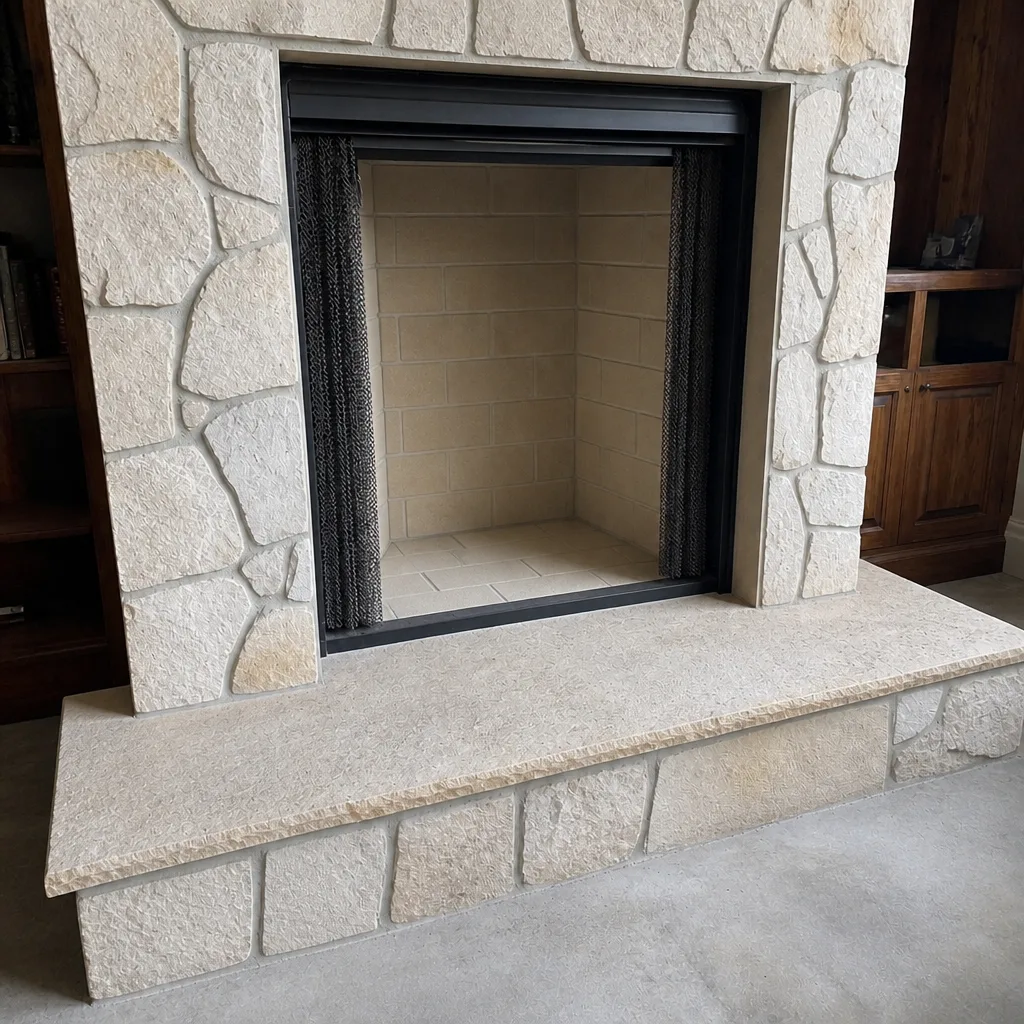
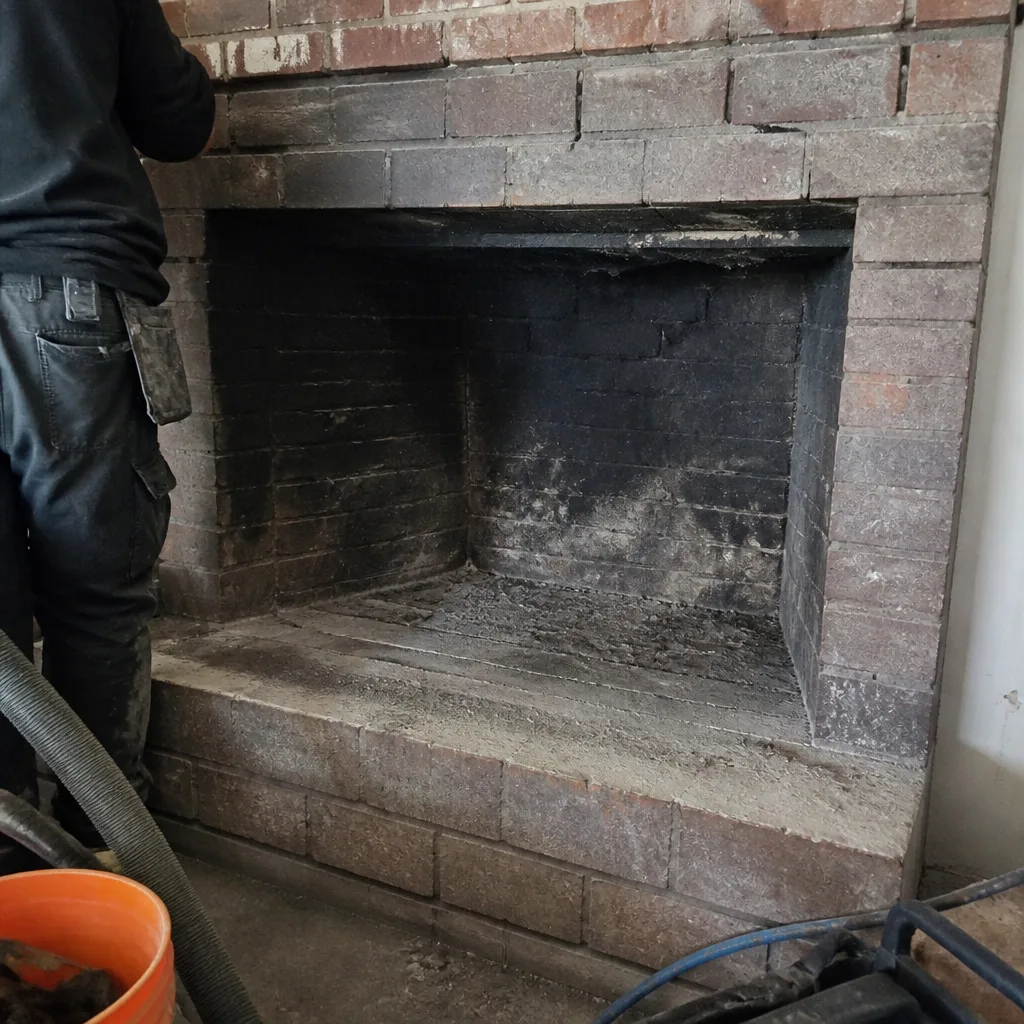
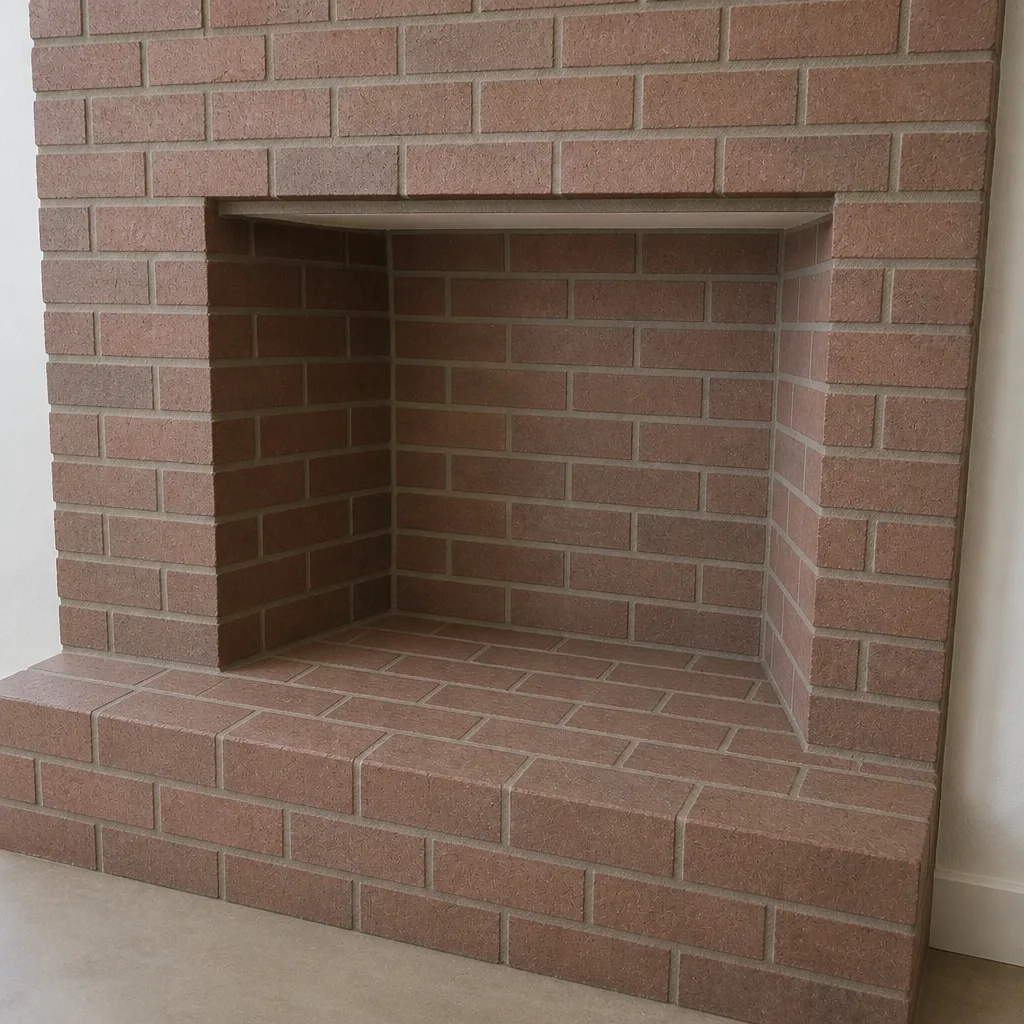
See the difference
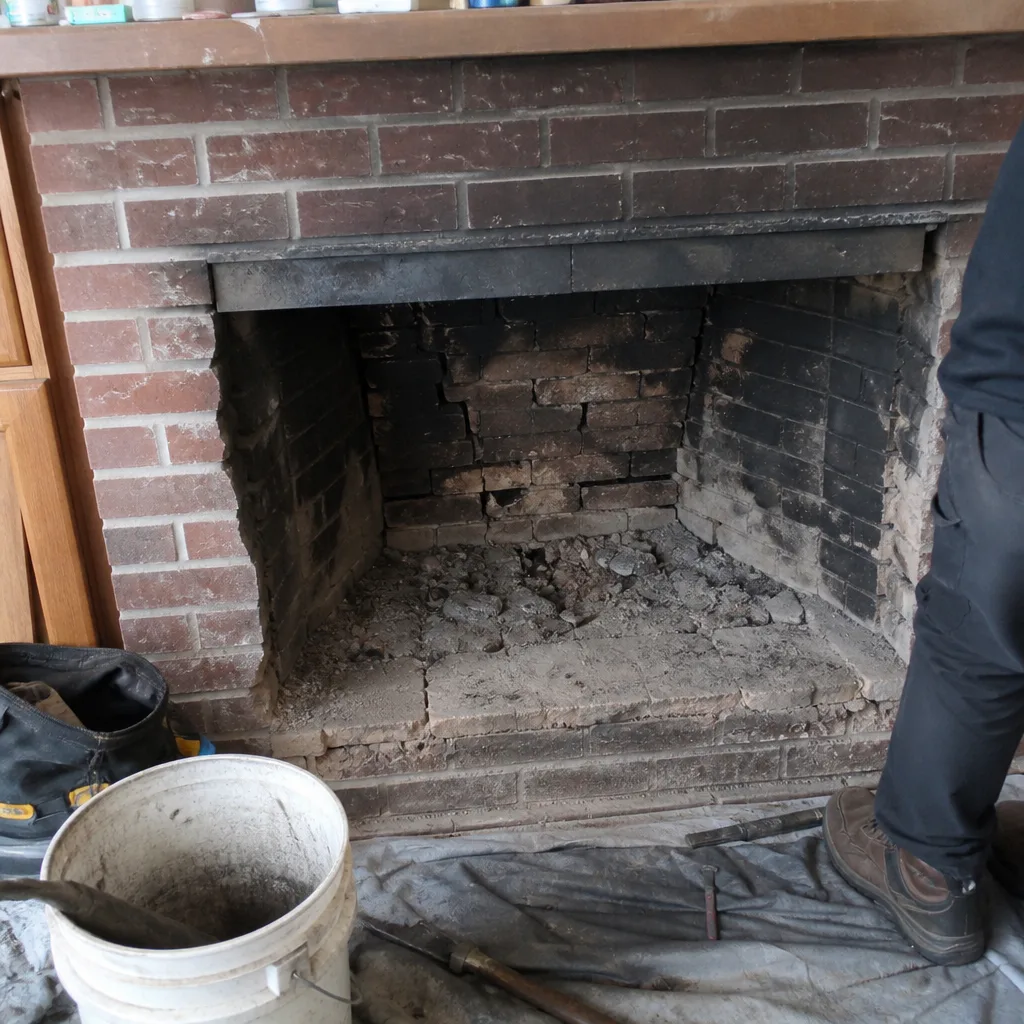 Before
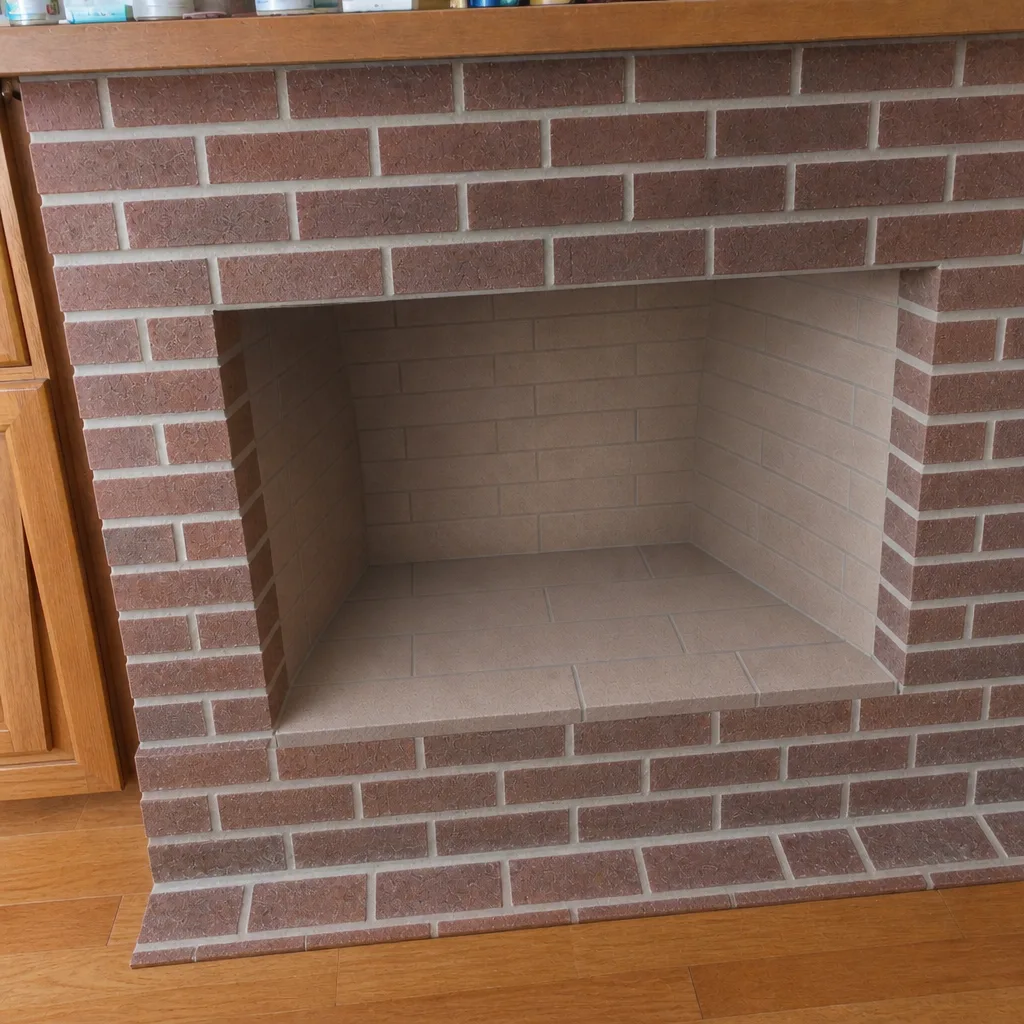 After
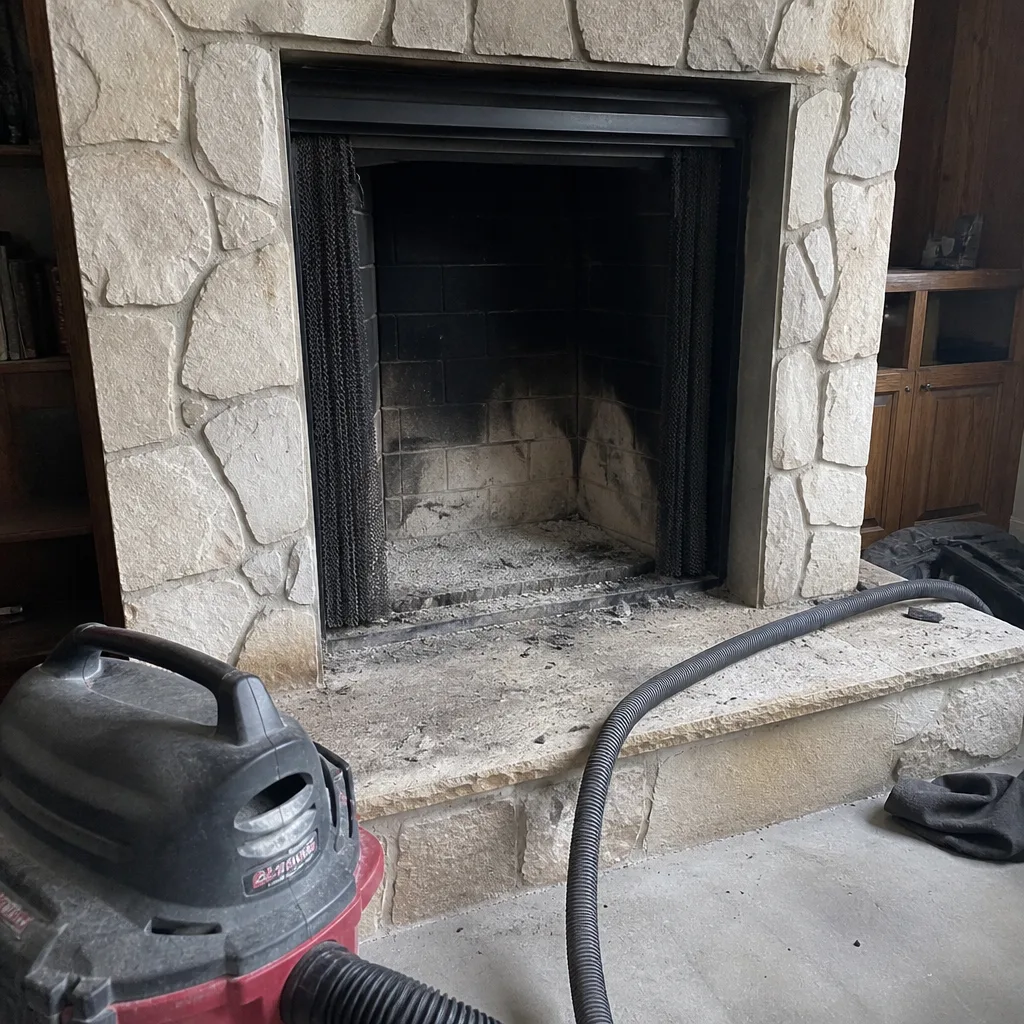 Before
 After
 Before
 After
When to Call a Professional
Call a chimney professional for any annual sweep, any camera inspection, and any of the warning signs listed above. Also call if you’re in a new-to-you home with an older fireplace and don’t know the chimney’s history. First inspections matter, because the condition you find now defines the seasonal schedule going forward. If your gas insert or fireplace isn’t working correctly, or if you see water damage, crumbling mortar, or a damaged cap, those are all reasons to get a professional out rather than wait for the next slot in your own calendar. Spring is the easiest time to book; fall is the most competitive.
Layton Chimney Sweep offers free estimates in Layton. Call (877) 492-2589. We answer 24/7. Fast dispatch from 7am to 7pm, Sunday through Friday.
Our team handles the complete spectrum, from sweep and inspection through chimney repair and everything in between, so you don’t have to coordinate multiple vendors. We inspect it, clean it, and fix it in one relationship.
Frequently Asked Questions
Once a year for most households, or more often if you burn heavily. Layton’s long burning season means many homes benefit from a spring sweep and a fall readiness check. If you burn more than a cord of wood through the winter months, plan on a mid-season cleaning. Call (877) 492-2589 for a free estimate.
April or May for the annual sweep, and September for the pre-season inspection. Spring gives you a wider scheduling window, and any repairs the inspection finds have months of runway before the fireplace needs to be working again. If you wait until October, expect a longer wait. Call (877) 492-2589 to get on the schedule.
Yes. Gas inserts don’t produce creosote the way wood does, but the vent, cap, seals, and controls still need an annual look, and trace residues from gas exhaust can attack metal over time. Skipping it is one of the most common maintenance gaps we see. Call (877) 492-2589 for a free estimate.
For a chimney that’s had a recent professional inspection and no known issues, some homeowners do light touch-ups between sweeps. But a professional sweep includes a camera inspection and photo report, and it catches liner cracks, crown damage, and interior problems that brushing alone can’t find. In Layton’s climate, water damage and freeze-thaw cycles create issues a homeowner can’t spot without a camera. Call (877) 492-2589 if you want a professional look.
Most seasonal sweeps fall in the typical range for the area, and every job is quoted on a written estimate before any work starts. Camera inspection and a photo report are included. If the inspection turns up a repair, that’s quoted separately, and you see the evidence behind it. Call (877) 492-2589 for a free estimate.
Creosote builds up faster than most homeowners realize, and it becomes harder to remove the longer it stays. Water damage from a cracked crown or cap gets worse with each freeze-thaw cycle. Skipping care doesn’t usually cause a dramatic failure; it causes small problems that grow into expensive repairs. The best reason to stay on a seasonal schedule isn’t urgency, it’s cost. Call (877) 492-2589 for a free estimate and we’ll show you exactly what your chimney needs.
The Bottom Line
Seasonal chimney care in Layton works best on the calendar, not on crisis. Spring is the easiest time to schedule a sweep and catch winter water damage while it’s still small. Summer is the season to weatherproof, so the crown, mortar, and cap survive the next freeze-thaw cycle. Fall is for the pre-season checklist, and it pays to book before October 1 when the calendar gets tight. Winter is for monitoring if you burn heavily, with mid-season cleaning as the guide if you’ve used significant wood. Gas inserts follow roughly the same schedule for a different set of reasons, and their inspection matters as much as a wood fireplace’s. If you’re not sure where your chimney stands, the simplest step is to get a professional inspection with camera evidence. The written estimate is free, and it tells you what you actually need.
Call (877) 492-2589 for a free estimate. We answer 24/7. Fast dispatch from 7am to 7pm, Sunday through Friday. If you’re in Layton and want to talk through your chimney’s seasonal schedule, our team can help. Layton Chimney Sweep handles the full scope, so you don’t have to sort through vendors. Reach out any time the phone line is answered, and we’ll get you on the calendar for the season that makes the most sense.
Written by the team at Layton Chimney Sweep.