
Last updated November 24, 2026
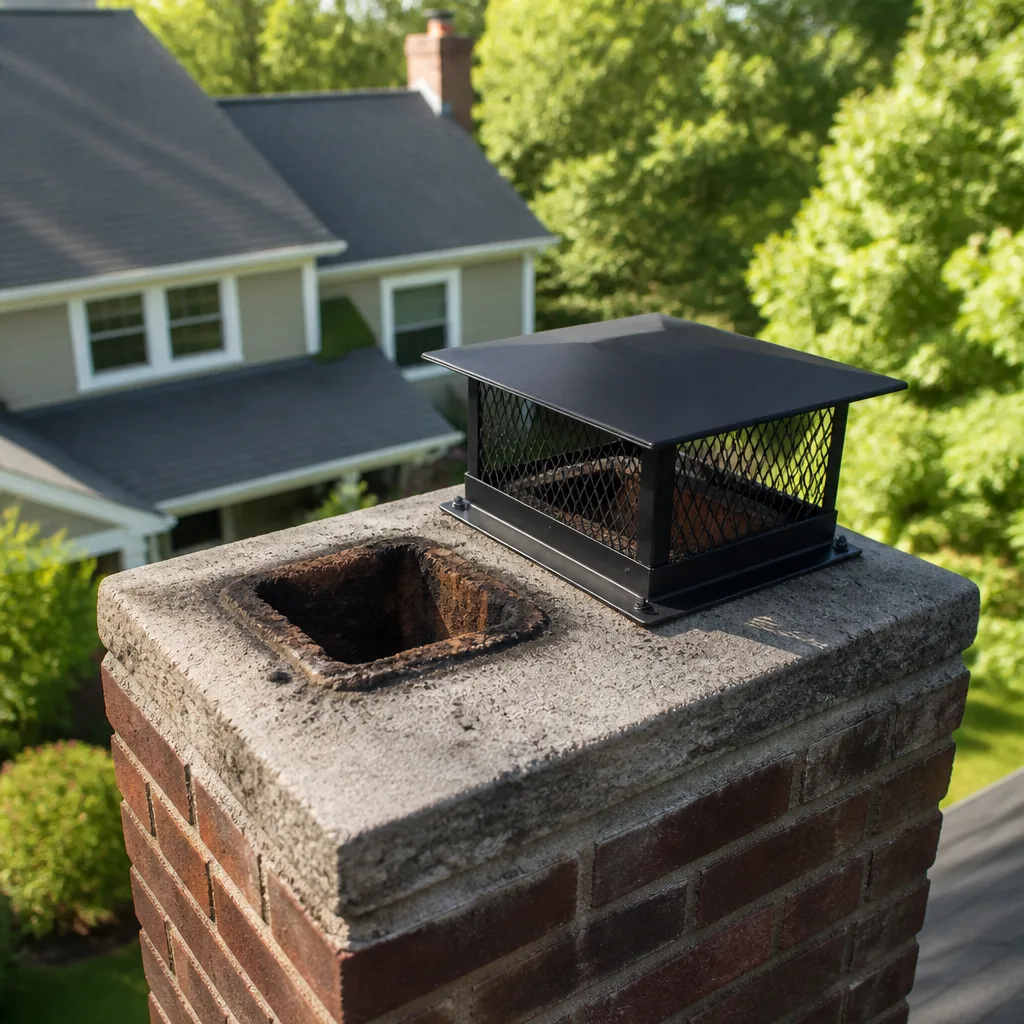 Sweep & inspection
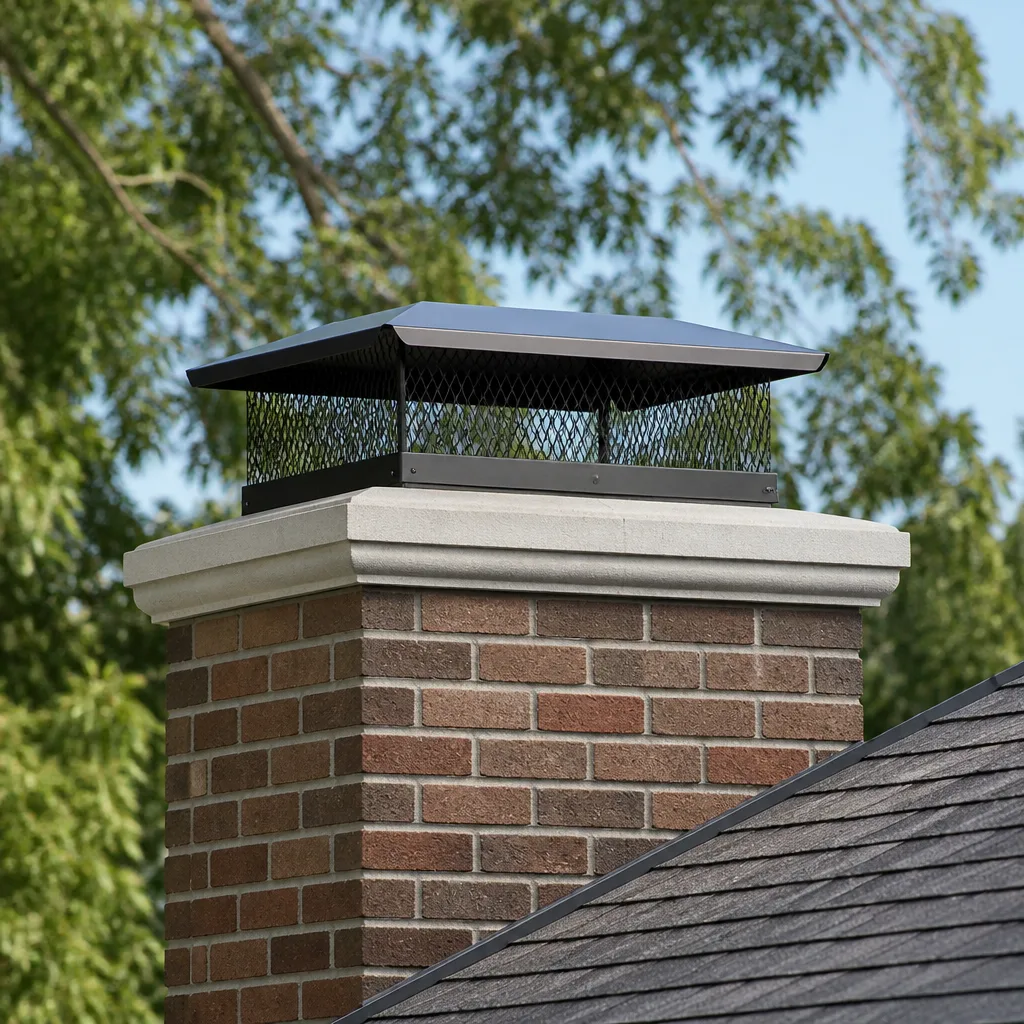 Caps & crowns
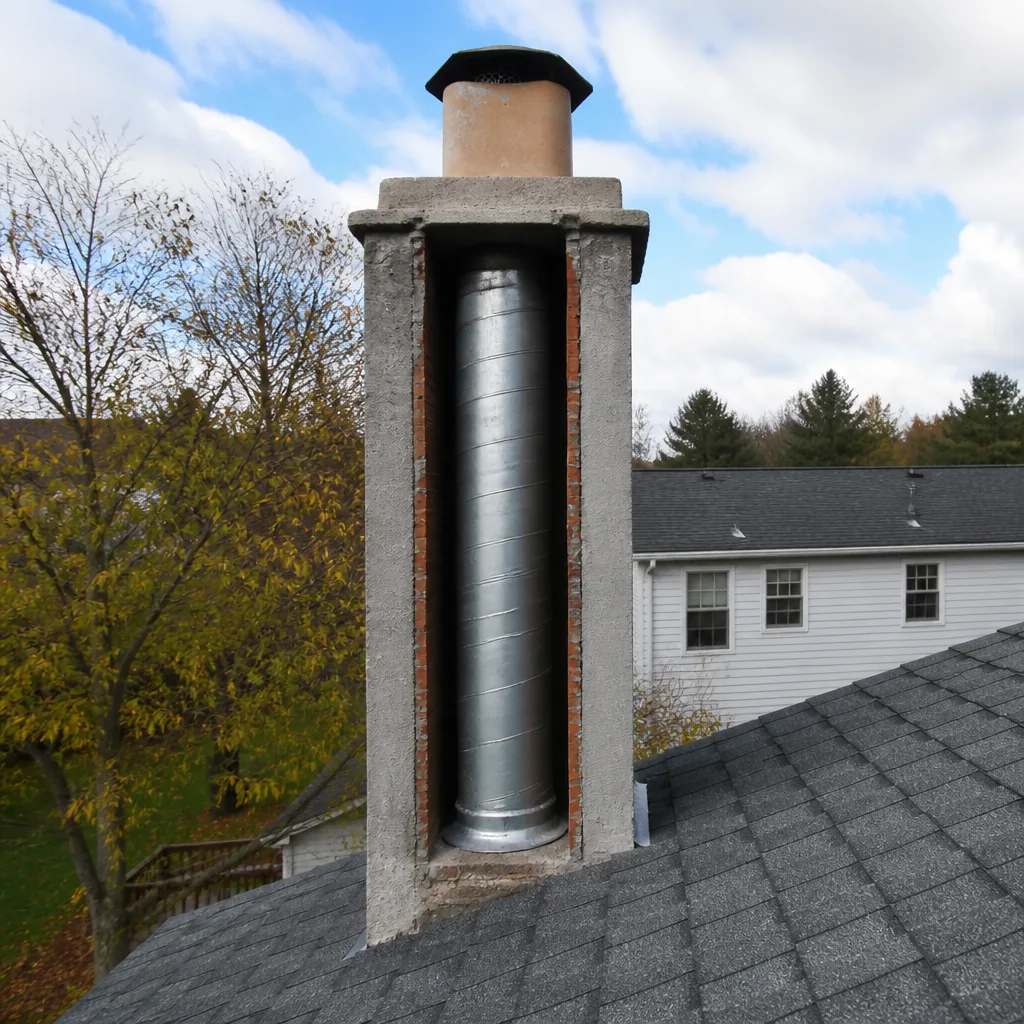 Flue relining
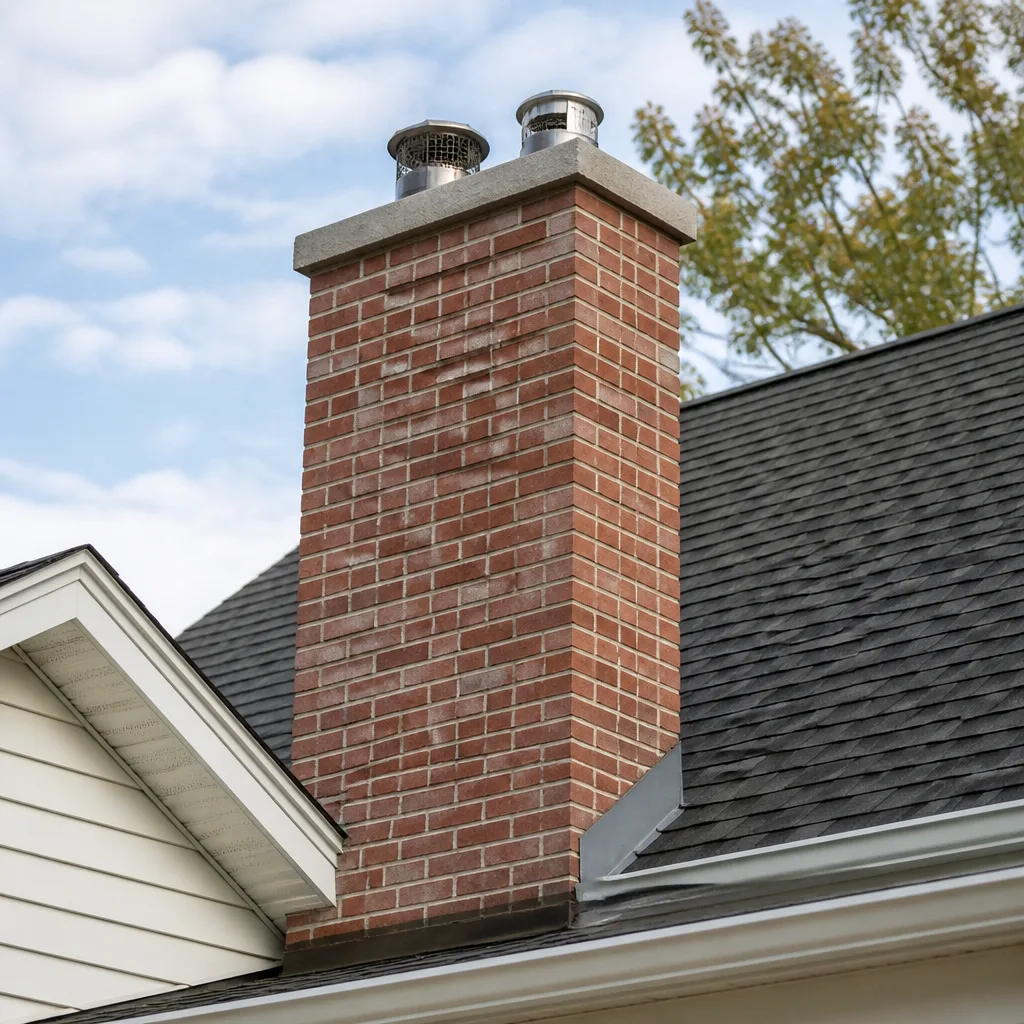 Masonry repair
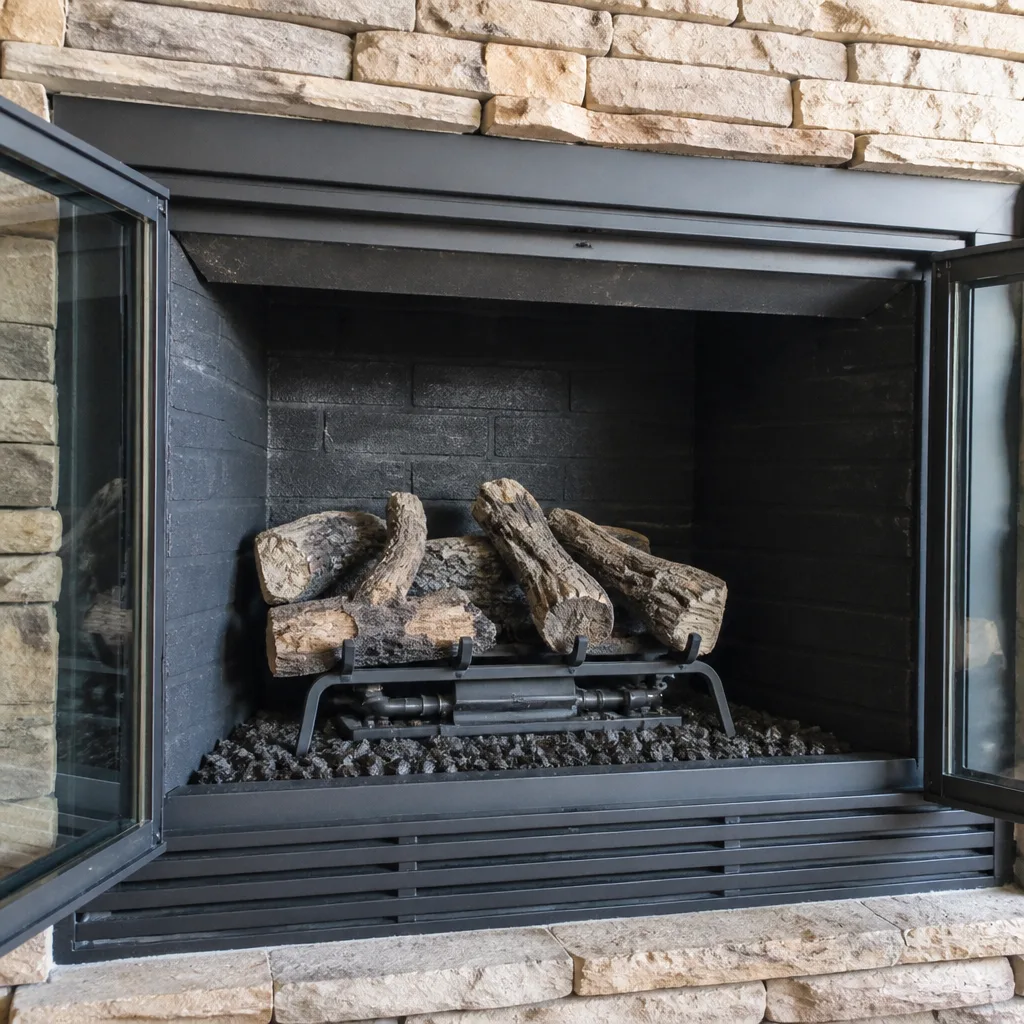 Gas fireplace service
Level 1 sweep and inspection to the NFPA 211 annual standard - flue, crown, cap, and flashing checked and photographed
Chimney sweep logs do not sweep chimneys. They loosen some creosote - which then falls where a brush and vacuum still have to collect it.
Chimney Cleaning Warning Signs: A Layton Homeowner’s Reference Guide
A white stain running down the brick face of your chimney isn’t a cosmetic issue. It’s called efflorescence, and it means water is moving through your masonry, which means your chimney is degrading from the inside every time it rains. Most of the warning signs we see in Layton are like that: quiet, easy to explain away, and months ahead of the actual problem. A chimney rarely fails without telling you first. It leaves clues on the brick, in the firebox, on the glass, even in the smell of the room. This guide teaches you how to read those clues accurately, sort them into “stop using the fireplace now” and “schedule a service call soon,” and document what you find so nothing gets missed. We’ll walk through the exterior signs, the interior signs most homeowners overlook, smell as a diagnostic tool, a two-tier triage framework, and how to photograph it all before you call anyone. By the end, you’ll know what your chimney is telling you and what to do about it.
Quick Answer
The main warning signs that a chimney needs cleaning or service are: white efflorescence stains or flaking brick on the exterior, cracks in the crown, rust on the cap, smoke rolling back into the room at startup, dark staining above the firebox, a white haze on fireplace glass, and a sharp acrid smell even when the fireplace is cold. Signs that mean stop using the fireplace immediately are a strong acrid creosote smell, visible glazed creosote, smoke that won’t draft, or a sulfur/rotten-egg smell near a gas appliance. Everything else is a “schedule within 30 days” sign, not an emergency.
Styles & brands we work with
- Sweep & inspection
- Caps & crowns
- Flue relining
- Masonry repair
- Gas fireplace service
Table of Contents
- Exterior Warning Signs and What Each One Actually Means
- Interior Warning Signs Most Homeowners Miss
- Smell as a Diagnostic Tool: Three Distinct Odors
- The Two-Tier Triage: Stop Now vs. Schedule Within 30 Days
- How to Document Warning Signs Before You Call
- When Does a Chimney Actually Need Sweeping?
- Why Layton’s Climate Accelerates Chimney Problems
- Common Mistakes to Avoid
Exterior Warning Signs and What Each One Actually Means
The outside of your chimney is a readout of what’s happening inside. Water, freeze-thaw movement, and combustion byproducts all leave visible evidence on the brick and mortar, and each sign points to a different failure. Here’s how to read them from the ground, without a ladder.
- Efflorescence (white, chalky staining): This is salt pushed to the surface by water moving through the masonry. It isn’t mold and it isn’t paint. It means moisture is entering the brick somewhere and exiting through the face, and the brick it passes through is being weakened each cycle. In Layton, where we get hard freezes after wet weather, that moisture expands inside the brick and works it apart.
- Spalling brick (flaking, crumbling faces): Spalling is the next stage after efflorescence. Water gets in, freezes, expands, and pops the face off the brick. Once brick faces start shedding, the chimney’s structural shell is degrading, and a repointing or rebuild decision is usually on the table.
- Crown cracks: The crown is the concrete cap on top of the chimney that sheds water away from the flue. Hairline cracks are common, but cracks that let water into the masonry below are structural compromise. A cracked crown is one of the most common sources of the water damage that causes everything else on this list.
- Rust on the cap or damper: Rust on a stainless cap or damper usually points to one of two things: the cap is missing and rain is getting straight down the flue, or the liner is condensing heavily because flue gases are cooling before they exit. Either way, rust is evidence of ongoing moisture where moisture shouldn’t be.
- Missing or loose cap: No cap means rain, snow, birds, and debris have an open door into your flue. A fitted cap is the cheapest defense against everything else on this list, and it’s one of the reasons we treat chimney cap and crown work as part of a complete inspection rather than an upsell.
Walk your Layton property once a season and look at these five things from a safe distance. Any one of them is a reason to schedule an inspection, not a reason to panic.
Interior Warning Signs Most Homeowners Miss
The clues inside the house are subtler than the exterior ones, and because they feel like “how the fireplace works,” homeowners often chalk them up to quirks. They aren’t quirks. Each one points to a specific condition worth checking.
- Smoke rolling out at startup: A little smoke on the first light of the season is normal as the flue warms up. Smoke that persistently rolls into the room every time you light a fire is a draft problem, not user error. Common causes are a cold or blocked flue, a flue that’s oversized for the fireplace opening, negative pressure in a tightly built modern home, or debris and animal nesting near the top. None of those are things you fix by opening a window.
- Dark staining above the firebox opening: A shadowy brown or black smudge spreading up the stone or wall above the fire is evidence of smoke that has been rolling up and out instead of drafting up the flue. That’s downdraft, and it usually travels with creosote deposits inside the smoke chamber and on the damper. The stain is the visible part; the creosote is the part that matters. This is exactly the kind of deposit a chimney sweep removes and inspects for.
- White haze on fireplace glass: On glass-door fireplaces, a persistent white film that comes back quickly after cleaning signals incomplete combustion. It could be wet wood, a poor air supply, or a draft problem pulling the burn cooler than it should be. Repeated haze is a combustion clue, and it’s worth having the system checked.
- Ash and soot outside the firebox: Fine black dust settling on the hearth or mantel can mean the fireplace is puffing smoke on light-up, or that the damper isn’t sealing. Both point to draft issues and should be looked at before they turn into stains.
- Damp or cold air in the room with the fireplace off: A fireplace that feels like a draft source when it’s not burning may have a missing damper seal, an open flue, or a missing cap. It’s also a sign that cold flue air is sinking into the living space, which is common in Layton’s winter.
If you recognize one of these, it’s a sign to book a service call, not to keep burning and hope it clears up. Our fireplace repair work often starts with a homeowner describing exactly one of these symptoms, and the fix is usually smaller than they feared.
Smell as a Diagnostic Tool: Three Distinct Odors
Your nose is one of the most useful diagnostic tools you have, and the three smells below mean three very different things. Get them right and you’ll know whether you’re dealing with a sweeping job, a repair, or a gas-safety call.
- Musty, earthy, or “old basement” smell: This almost always means moisture and organic debris in the flue or firebox. Leaves, bird nesting, or a drip coming down an uncapped flue all produce this. It doesn’t necessarily mean fire risk, but it does mean the chimney needs a sweep and inspection, and usually a cap.
- Sharp, acrid, almost chemical smell: This is the signature of Stage 2 or Stage 3 creosote, and it’s the one to take seriously. Creosote is the tar that condenses on the inside of the flue as flue gases cool, and at Stage 2 it starts to become glossy and hard, and at Stage 3 it becomes a dense, fuel-rich crust. If you can smell it sharply when the fireplace is cold, that’s an indication the deposit has built up enough that only a professional cleaning and inspection will tell you how bad it is. Stop using the fireplace and schedule service.
- Sulfur, rotten-egg, or gas smell: This is not a chimney sweeping problem. If you have a gas appliance connected to the chimney or a gas fireplace, a sulfur smell can indicate a gas leak or a combustion issue that’s safety-critical. Leave the appliance off, ventilate the room, and call your gas utility or an emergency line immediately. This is outside what sweeping solves.
Trust your nose, but don’t rely on it alone. A smell that comes and goes as the weather shifts is still a signal. If you recognize the acrid creosote smell, schedule an inspection with Layton Chimney Sweep rather than waiting for milder weather. Call (877) 492-2589 and we’ll get you on the schedule.
The Two-Tier Triage: Stop Now vs. Schedule Within 30 Days
The most useful framework we can give a Layton homeowner is a simple two-tier triage. One tier means stop and call. The other means schedule soon, but keep living in your home. Getting this wrong in either direction costs you: too cautious and you stop using a fireplace that’s fine, too relaxed and you burn through a real danger sign.
Tier 1: Stop using the fireplace immediately. These signs mean don’t burn another fire until a professional has looked at it:
- A strong acrid creosote smell even when the fireplace is cold, or visible glazed/black crust inside the firebox or flue throat.
- Smoke that persistently pushes into the room and won’t draft, with no obvious closed-damper explanation.
- Cracks or crumbling in the firebox, smoke chamber, or flue tile that you can see from below.
- A sulfur or rotten-egg smell near a gas appliance (leave it off and call your utility first).
- Water actively entering the firebox or visible water staining inside the firebox after rain.
Tier 2: Schedule service within 30 days. These signs are not emergencies, but they shouldn’t be ignored either:
- Efflorescence or early spalling on the exterior brick.
- A cracked crown, or a cap that’s rusting, loose, or missing.
- Dark staining above the firebox, or white haze that returns on fireplace glass.
- A smoky, musty smell when the fireplace is cold (moisture and debris).
- Your annual inspection is due and you’ve been burning through a full season without one.
A chimney does not usually fail suddenly. It fails slowly while the warning signs accumulate. Give each sign the correct tier and you’ll know exactly whether to reach for the phone today or on your next opening.
How to Document Warning Signs Before You Call
A photo record turns a vague “it looks worse than last year” into a real baseline. It’s also how you avoid the classic homeowner worry of being sold work you can’t verify. When a technician inspects your chimney, they’ll comment on the condition and its likely cause over time. If you have photos from six months or two years ago, you can compare against them and see the change for yourself. Here’s how we recommend you document it, whether or not you’re our customer.
- Work from the ground, not a ladder. Take photos of the exterior from a safe distance with your phone, zooming in on the chimney top, crown, and cap. No roof work.
- Photograph the full chimney face. Include the section below the roofline, so efflorescence and spalling show up in context.
- Get a close-up of the crown and cap. If you can see them from below with a zoom, capture the crown edge and the cap’s fasteners.
- Photograph the firebox interior and the wall above it. Include the stains, soot patterns, and the firebox walls. Use your phone’s flashlight.
- Photograph the fireplace glass right after a fire, and again after cleaning, so the haze pattern is documented.
- Note the smell and when it appears. Write a one-line note in your phone: “acrid smell in October, strongest when cold” or “musty smell in spring”. Context matters.
- Keep the photos with your home records. File them by date so the baseline builds over time.
When a technician inspects, ask them to photograph what they find and walk you through it. A professional-grade inspection includes a photo record, and you should be able to see the evidence yourself. That’s how you separate a real repair recommendation from an unnecessary upsell.
When Does a Chimney Actually Need Sweeping?
Chimneys need sweeping based on creosote accumulation, not on a calendar, though the calendar is a useful prompt. The industry convention most chimney professionals follow is to have the chimney inspected once a year and swept when the inspection shows roughly an eighth of an inch or more of creosote deposit in the flue. For a homeowner in Layton who burns several cords of wood a season, that often means a sweep every year. For someone who lights the fireplace a handful of times in winter, it may be every two or three years.
It isn’t how much wood you burn that determines the need, though. It’s how the wood burns and how the flue vents. Slow, smoldering fires with wet or unseasoned wood produce far more creosote than a hot, clean fire with dry wood, even if the number of fires is the same. A flue that’s oversized for the fireplace, which is common in older Layton homes, cools the flue gases faster and condenses more creosote than a properly matched flue. A blocked or partially blocked flue, or a flue with a damaged liner, raises the deposit rate too. So the answer to “do I need a sweep?” is a proper inspection, not a guess.
- Signs a sweep is overdue: you can see soot buildup in the firebox throat, the acrid smell is present when cold, or smoke drafts poorly.
- Signs a sweep can wait: the firebox is clean, the draft is strong, and the annual inspection shows light deposits.
- Signs the chimney may need more than a sweep: a damaged liner, a cracked flue tile, or a water intrusion issue that a cleaning alone won’t fix.
When we find a liner problem during a sweep, we can move straight into liner work without sending you to a different company. Our technicians use DuraFlex liner systems for full relining and can work with HeatShield materials for certain resurfacing jobs, depending on what the inspection shows. We inspect it, clean it, and fix it in one visit, from one company, so nothing gets lost between vendors.
Why Layton’s Climate Accelerates Chimney Problems
Layton sits where the Wasatch Front sees repeated freeze-thaw cycles through the cold months, and that rhythm is hard on brick and mortar. Water soaks into masonry during rain or snowmelt, then freezes overnight and expands inside the pores of the brick. That expansion cracks the brick from the inside, and when it thaws, the water moves deeper. Repeat that cycle dozens of times in a season and you get the spalling and crown cracks that show up on so many chimneys around town.
The other climate factor is the burn season itself. Fires in Layton tend to run from late fall into early spring, when the air outside is cold and the flue gases cool quickly as they travel up. Colder flue surfaces mean more condensation of creosote, and that’s why a homeowner who burns a modest amount of wood can still build up a real deposit over a full winter. Spring is a good time to get the chimney inspected because you’ve just run a season’s worth of fires and the deposit is at its annual peak.
What we look for on a Layton chimney after a hard winter is: efflorescence and spalling on the exterior, crown cracks, a dried-out cap gasket, and sometimes a missing cap altogether. A cap and crown are the cheapest weather defense a homeowner has. We install caps from suppliers like Olympia Chimney and Copperfield, and we form crowns to shed water away from the flue rather than into the masonry. A clean chimney is the starting point; making sure it’s structurally sound and weather-tight is the rest of the job.
Common Mistakes to Avoid
- Treating efflorescence as a paint problem. White staining on the brick isn’t cosmetic and it won’t be fixed by a coat of masonry paint. Painting traps moisture inside and accelerates spalling, so address the water source first.
- Putting off a cracked crown until spring. A small crown crack lets water into the masonry all winter, when freeze-thaw does the most damage. The crack you can see today is often larger underneath by the time it’s warm enough to fix.
- Assuming smoke on startup is just how your fireplace works. Smoke that rolls into the room every time you light a fire is a draft problem, and opening a window doesn’t solve it. Get the flue checked.
- Burning before the chimney is inspected after a long layoff. Debris, animal nesting, and a blocked flue can hide the whole warm season. A quick inspection before the first fire is worth more than a guess.
- Ignoring the acrid smell because “it goes away when it’s warm.” The creosote smell coming and going with the weather is exactly how a Stage 2 deposit behaves. It doesn’t evaporate; it just gets less noticeable to you.
- Hiring a sweep-only company for a repair problem. If a sweep finds a damaged liner or firebox crack, you want the same company to handle the fix. Otherwise you’re scheduling a second vendor and explaining everything twice.
- Not photographing anything. Without a baseline, every recommendation feels like a leap of faith. A dated photo record is the easiest way to compare against a professional’s findings and confirm the evidence for yourself.
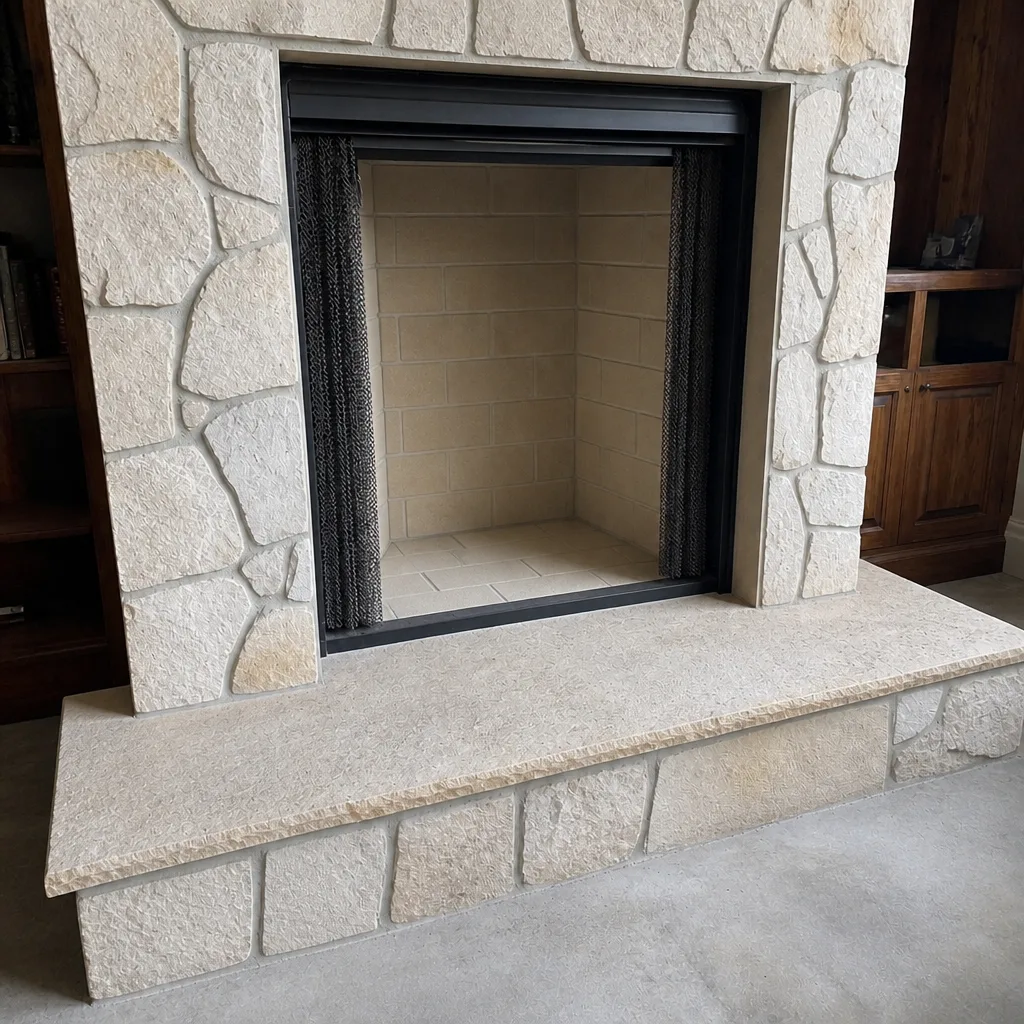
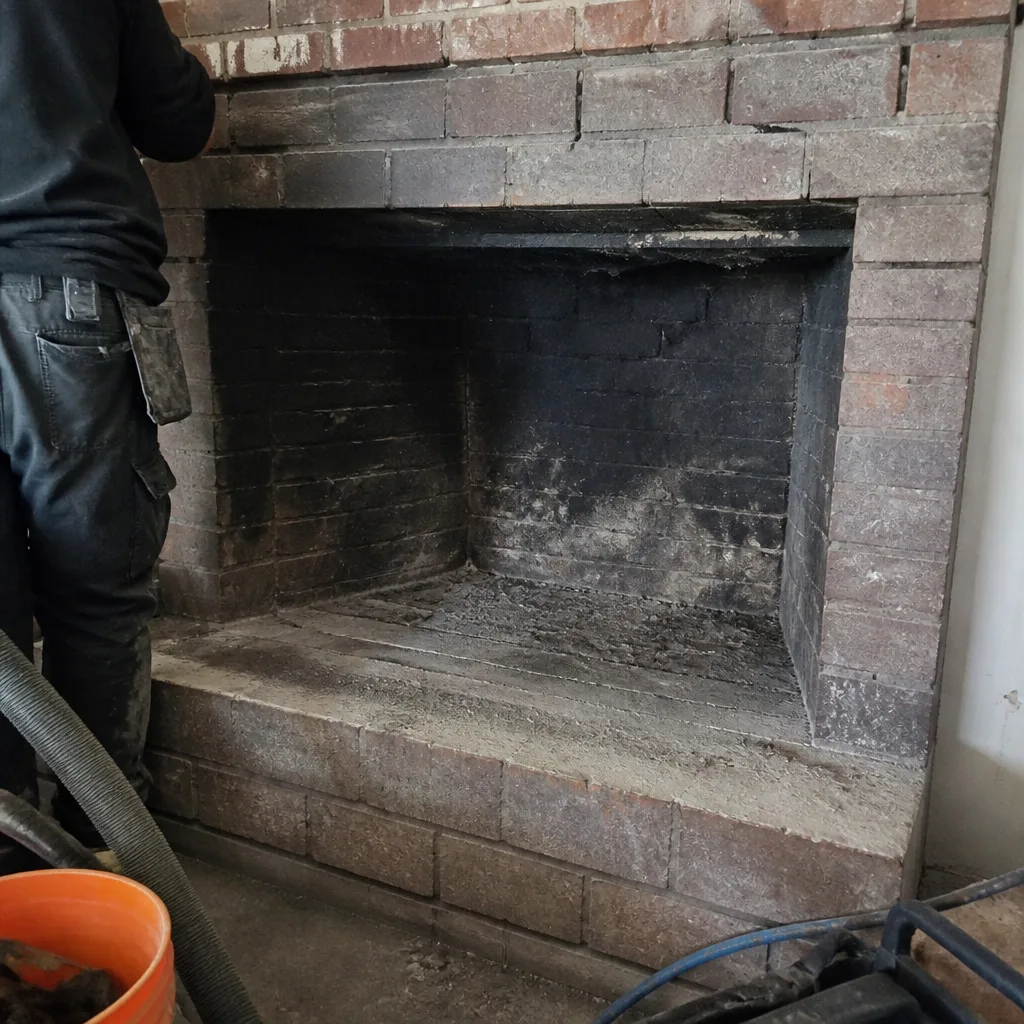
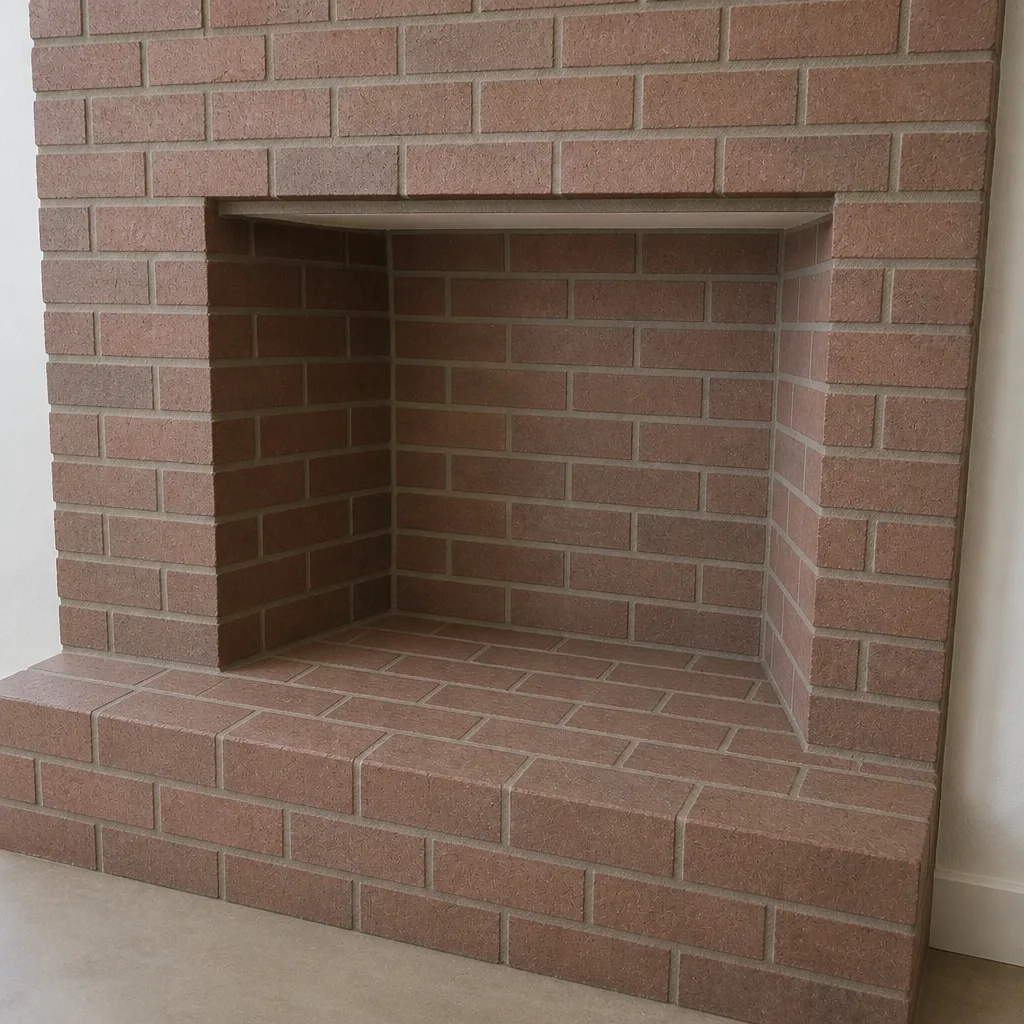
See the difference
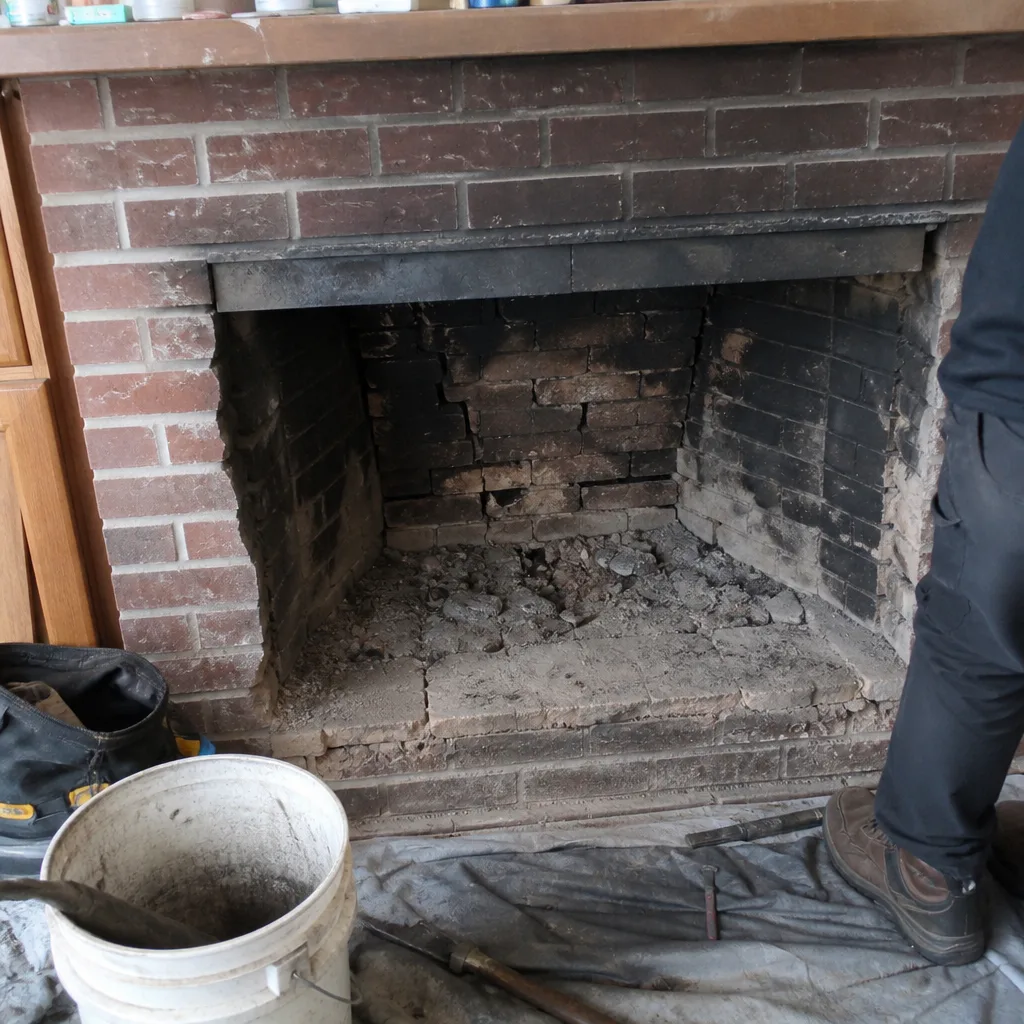 Before
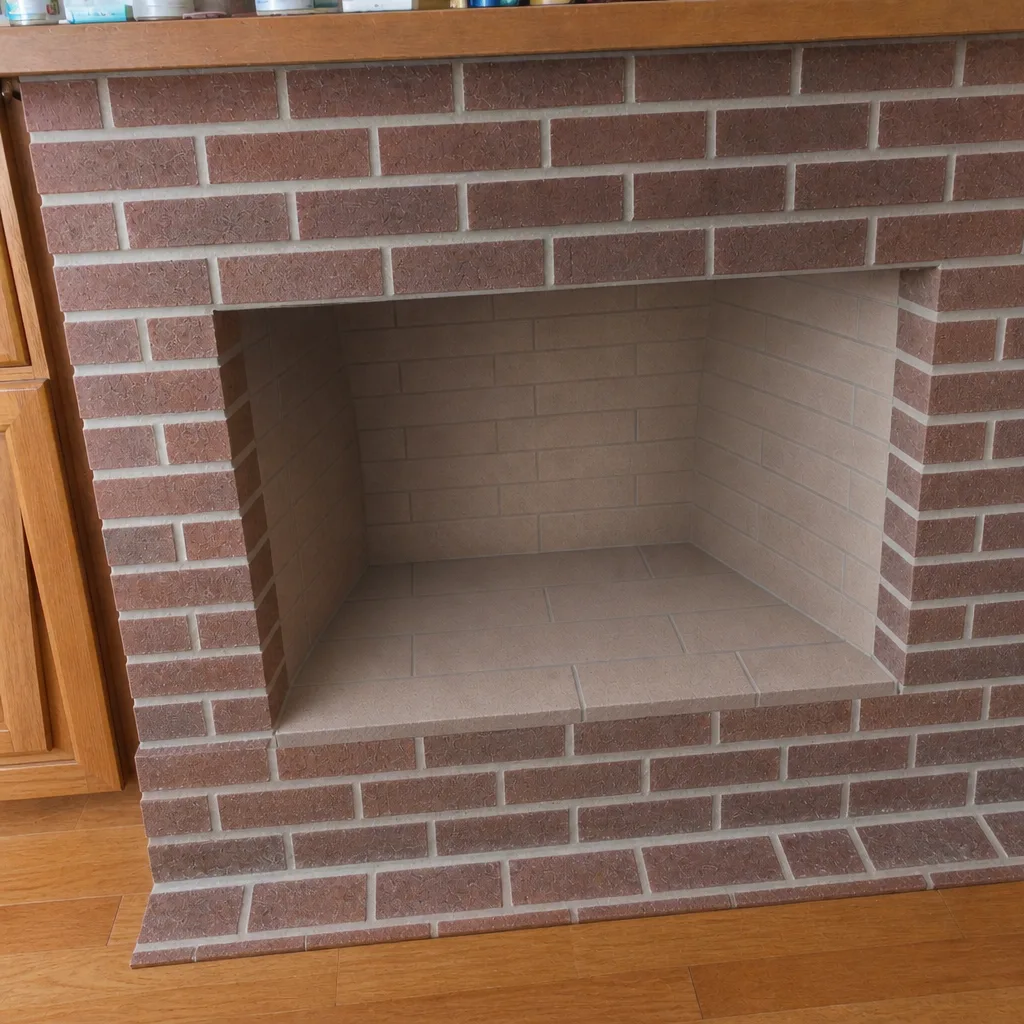 After
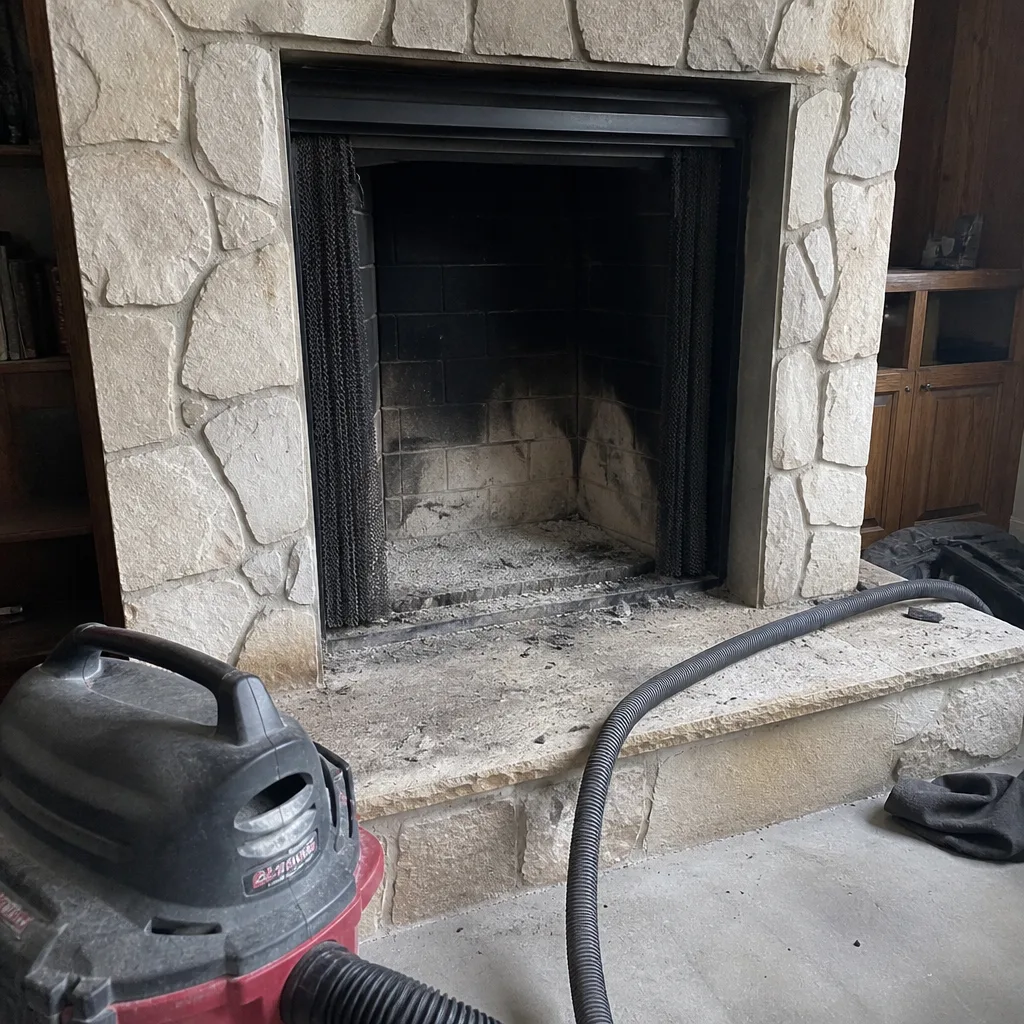 Before
 After
 Before
 After
When to Call a Professional
Call a professional if you see any Tier 1 sign: glazed creosote, a persistent smoke rollout with no closed-damper explanation, visible cracks in the firebox or flue, water getting into the firebox, or a gas smell. Also call if the annual inspection is due and you haven’t had one in over a year, if the chimney has visible exterior damage, or if you’ve bought a home with a fireplace and you don’t know its history. We can also work with your insurer if a chimney problem turns into an insurance claim. Safety rules out the do-it-yourself approach for anything involving the flue or a gas appliance. A trained professional has the camera, tools, and experience to measure the deposit and check the liner safely, and can fix what the inspection finds rather than pointing you to another vendor. Layton Chimney Sweep offers free estimates in Layton. Call (877) 492-2589 for an exact quote on any repair.
Frequently Asked Questions
The most common warning signs we see in Layton are white efflorescence stains on the exterior brick, spalling brick, cracks in the crown, rust on the cap, smoke rolling into the room at startup, and a sharp acrid smell when the fireplace is cold. Most of these are Tier 2 signs that mean schedule service within 30 days, not emergencies. The ones that mean stop burning now are glazed creosote, a persistent smoke rollout, visible firebox or flue cracks, and a sulfur smell near a gas appliance. Call (877) 492-2589 for an exact quote on whatever an inspection turns up.
A typical chimney sweep in Layton runs somewhere in the low-to-mid hundreds of dollars, and the written estimate you get after inspection sets the final price. Sweeps get more expensive when heavy deposit needs extra work, or when the inspection turns up a liner issue that requires more than cleaning. We don’t price per hour; every job is quoted up front. Call (877) 492-2589 and we’ll give you an exact quote once we’ve seen the chimney, and the estimate is free.
It depends on the tier. If you see Tier 1 signs such as glazed creosote, a strong acrid smell when cold, or persistent smoke rollout, stop using the fireplace until a professional inspects it. If the sign is Tier 2 such as exterior staining, a cracked crown, or white haze on the glass, you can generally keep using it while you schedule service within 30 days. When in doubt, treat it as Tier 1. Call (877) 492-2589 if you’re unsure which tier a sign falls into.
A musty or smoky smell with the fireplace off almost always comes from moisture and organic debris such as leaves or nesting inside the flue, and it’s usually solved by a sweep, an inspection, and a fitted cap. A sharp, acrid smell is the signature of Stage 2 or Stage 3 creosote and is more serious. If the smell is sulfur or rotten egg near a gas appliance, that’s a gas safety issue and you should call your utility rather than a sweep. Call (877) 492-2589 for a free estimate on a chimney inspection.
A liner needs to be replaced when the inspection shows it’s cracked, deteriorated, or no longer rated for the appliance or fuel it serves. If the liner is sound, cleaning and inspection may be all that’s needed. We don’t recommend relining without photo evidence you can see for yourself. If the inspection shows a healthy liner, we’ll say so and schedule you for routine maintenance. If it needs work, we can reline with a DuraFlex system and walk you through the photos of the damage. Call (877) 492-2589 for a free estimate.
A Layton chimney should be inspected every year, and swept whenever the inspection shows about an eighth of an inch or more of creosote in the flue. For homes that burn through several cords of wood a season, that often works out to an annual sweep. Homes that only light the fireplace a few times a season can often go two to three years between sweeps. Because our cold flue gases accelerate creosote buildup in winter, the end of the burn season is a good time to inspect. Call (877) 492-2589 for a free estimate on a sweep or inspection.
The Bottom Line
Chimney warning signs are data, not drama. The stains, cracks, smells, and drafting problems that show up months before a real failure are your chance to fix small problems before they become expensive ones. Read the exterior signs and the interior clues accurately. Sort everything into the two-tier triage: stop now, or schedule within 30 days. Photograph what you see so you have a baseline to compare against a professional inspection. And when in doubt, call a specialist who can inspect, clean, and repair the whole system from one company rather than sending you to someone else. We serve Layton homeowners with exactly that full-service approach. For a free estimate on a chimney sweep, inspection, or any repair the inspection finds, call (877) 492-2589. We answer 24/7, with fast dispatch from 7am to 7pm, Sunday through Friday. A call outside dispatch hours is booked into the next opening.
Written by the team at Layton Chimney Sweep.