
Last updated November 24, 2026
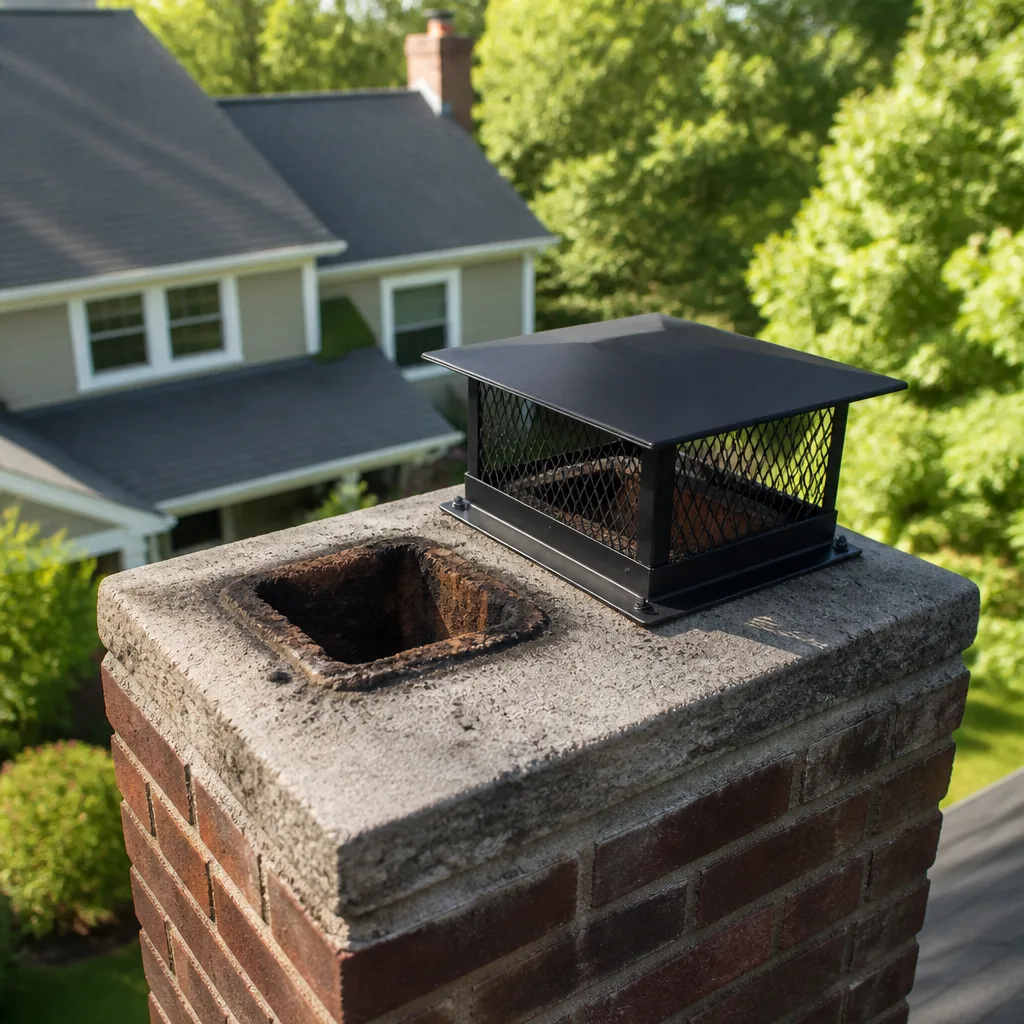 Sweep & inspection
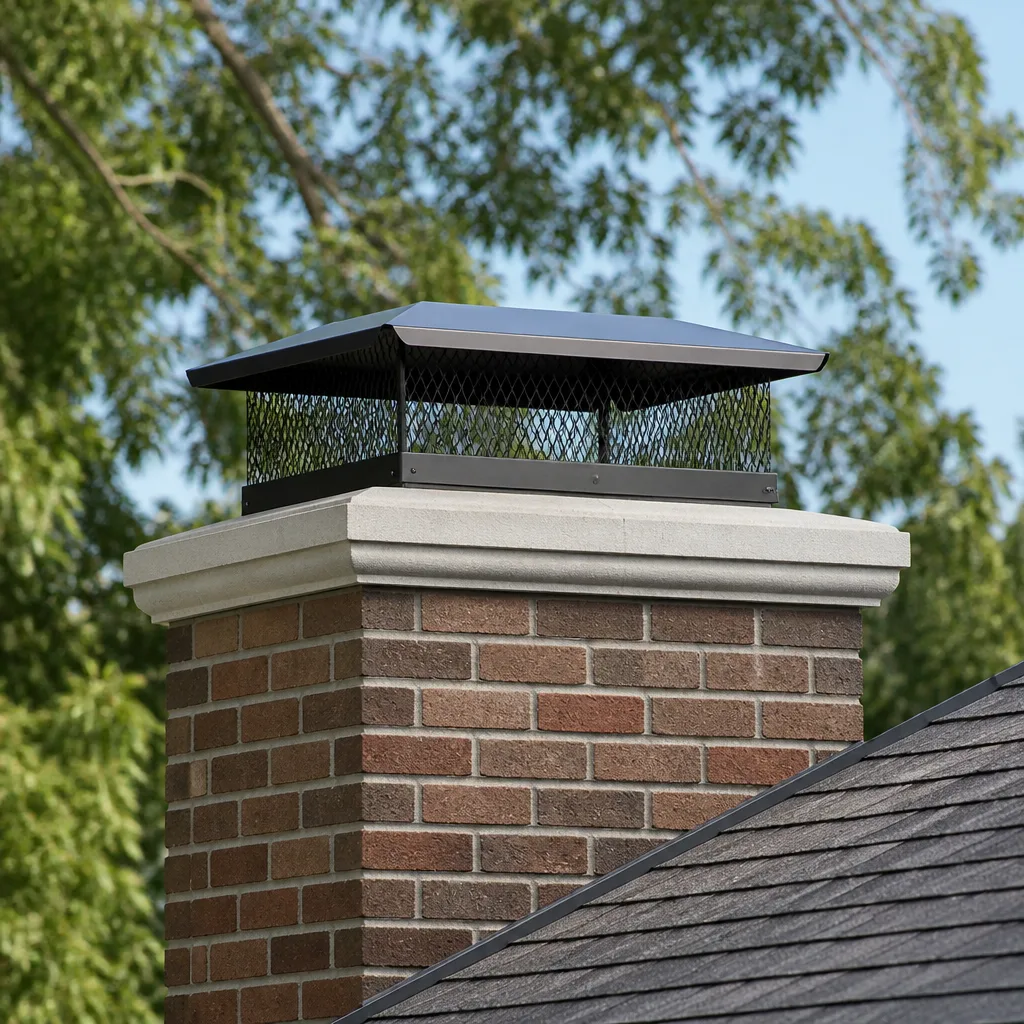 Caps & crowns
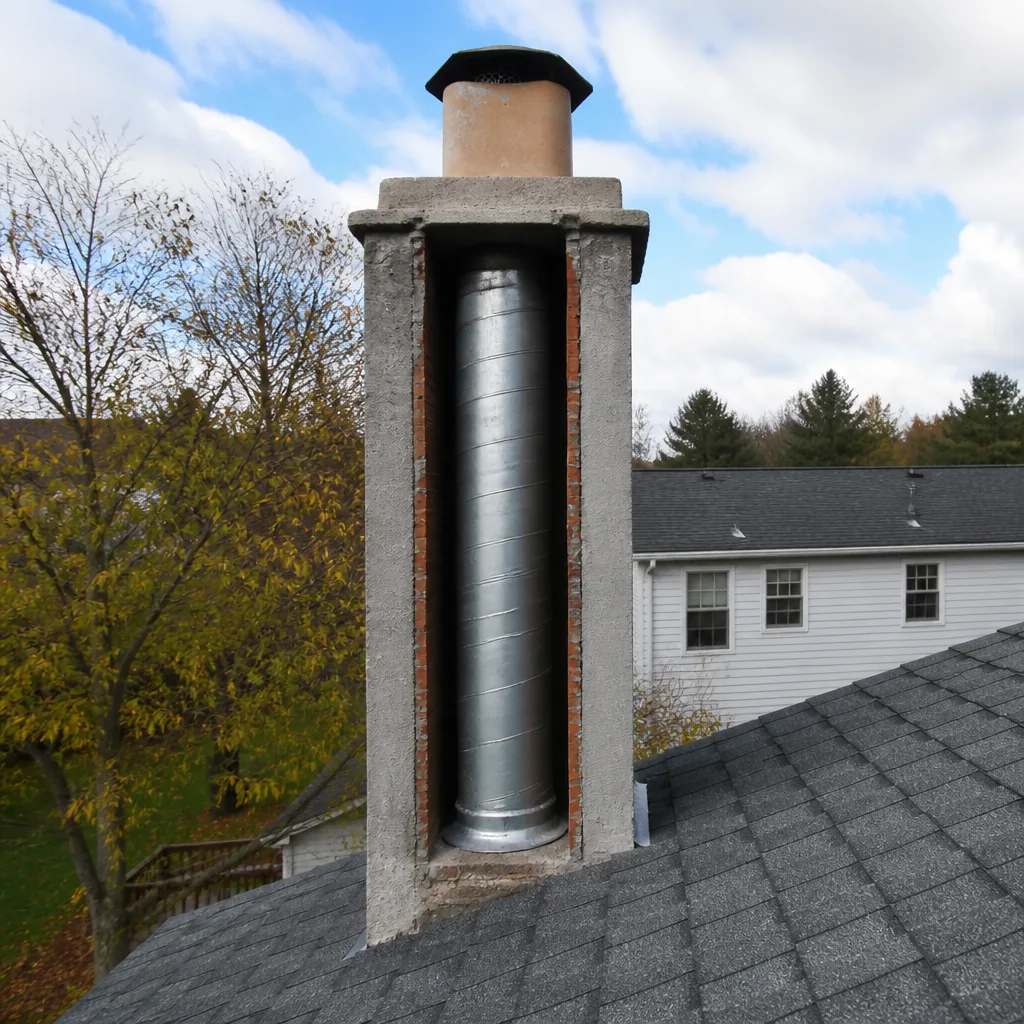 Flue relining
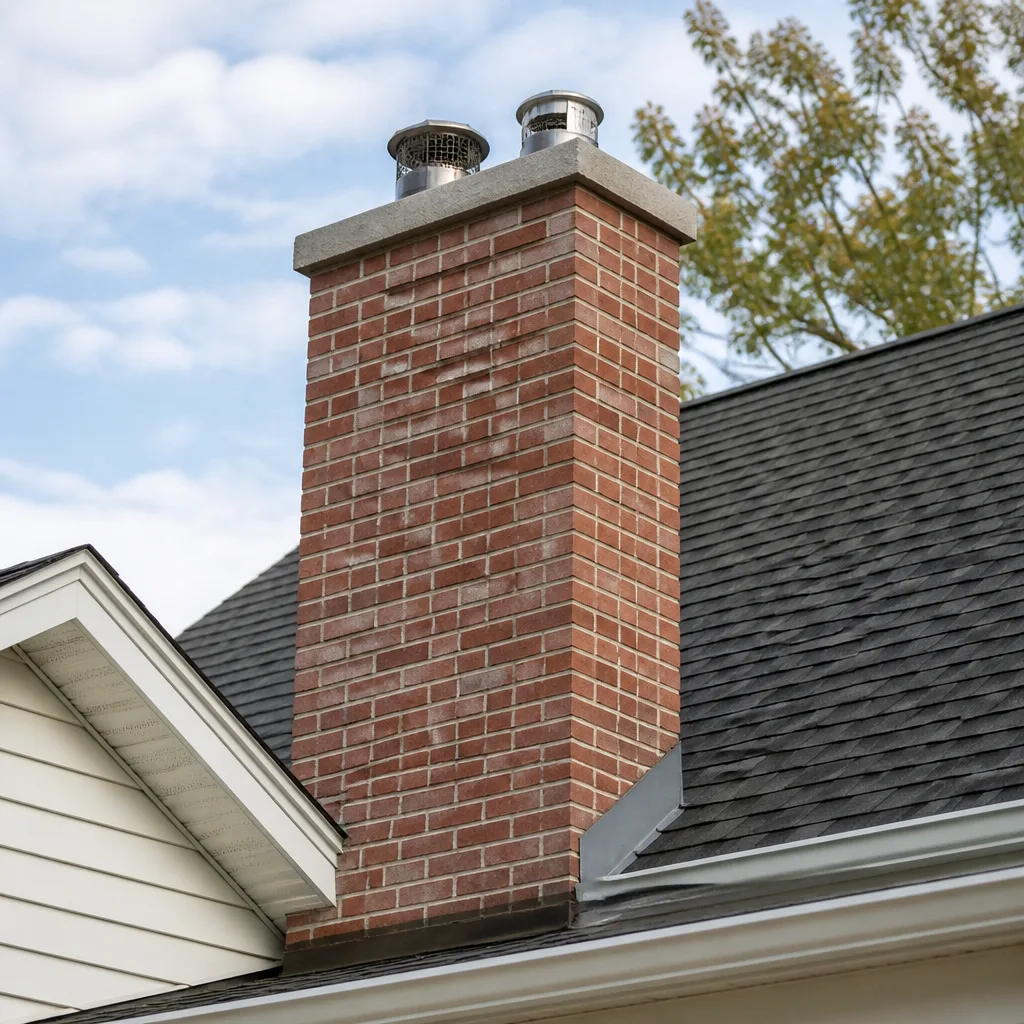 Masonry repair
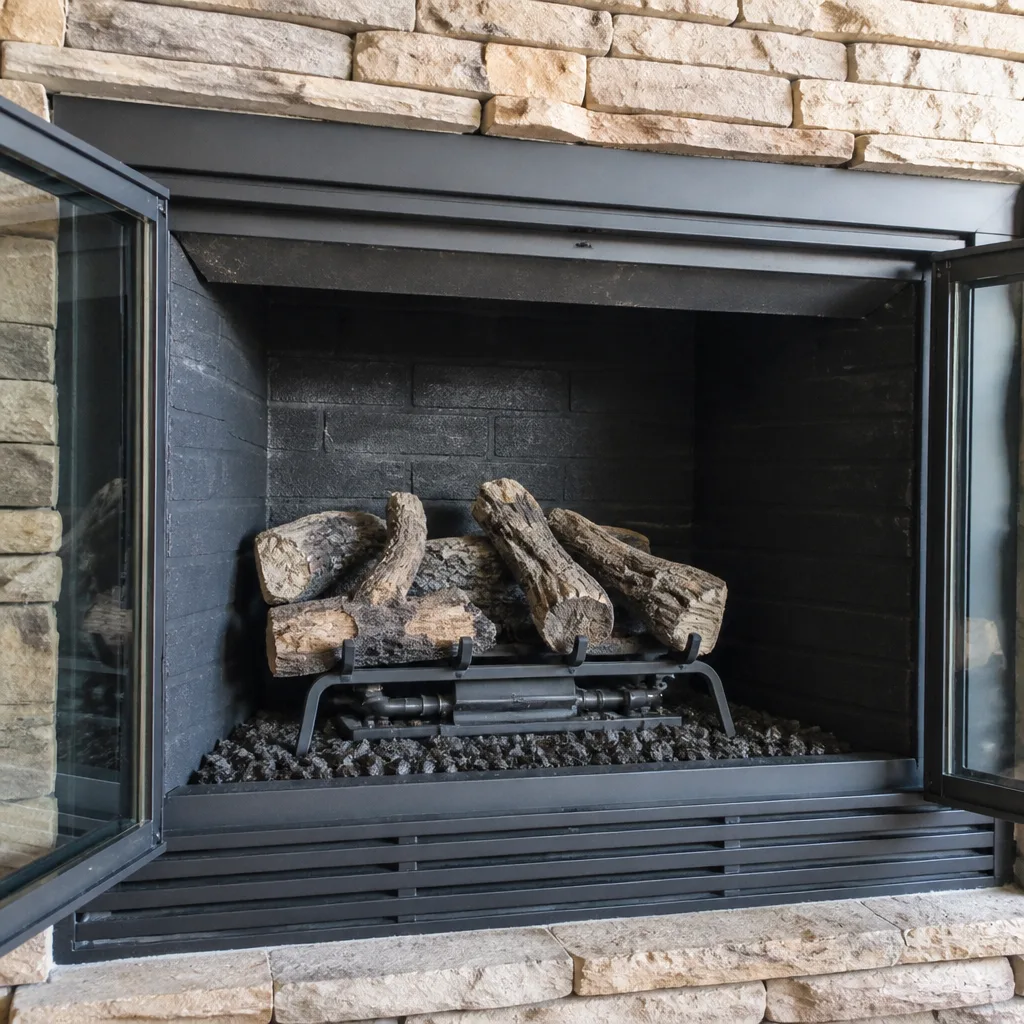 Gas fireplace service
Level 1 sweep and inspection to the NFPA 211 annual standard - flue, crown, cap, and flashing checked and photographed
Chimney sweep logs do not sweep chimneys. They loosen some creosote - which then falls where a brush and vacuum still have to collect it.
DIY vs Professional Chimney Cleaning: The Layton Homeowner’s Decision Guide
The chimney brush kit at the hardware store will clean your flue. What it won’t do is tell you whether the flue was safe to use in the first place, and that’s the part that actually matters. Most homeowners who ask us about DIY sweeping are really asking a different question: is my chimney in good enough shape that cleaning it is all that’s left to do? You can’t answer that from the ground with a flashlight. This guide walks through the narrow set of conditions where do-it-yourself sweeping is a reasonable choice, what the job physically cannot accomplish no matter how careful you are, and how to prepare for a professional visit so you get more out of it. If you live in Layton and burn wood regularly, the honest answer is usually more complicated than a trip to the hardware store.
Quick Answer
DIY chimney cleaning is only a reasonable option if your Layton home has a single-story, straight flue with no offsets, a wood-burning fireplace with light Stage 1 creosote, and no prior structural concerns. Most homes don’t meet all four conditions, and you can’t verify them without an inspection first. A professional visit typically runs $200 – $300 in Layton and includes the inspection, the sweep, and a written record of what was found.
Styles & brands we work with
- Sweep & inspection
- Caps & crowns
- Flue relining
- Masonry repair
- Gas fireplace service
Table of Contents
- The Four Conditions Where DIY Sweeping Actually Works
- What DIY Cleaning Physically Cannot Accomplish
- The Equipment Math: What a DIY Kit Really Costs
- The Layton Home Profiles Where DIY Is a Liability
- Creosote Stages and Why They Decide the Question
- How to Use a DIY Visual Inspection as Preparation
- How a Professional Sweep and Inspection Actually Works
- The Safety Risks That Make This Different From Other DIY
The Four Conditions Where DIY Sweeping Actually Works
We’ve seen enough Layton chimneys to say plainly: there is a real set of conditions where running a brush down your own flue is fine. It’s just narrower than most people expect. All four of the following have to be true, not three out of four.
- A single-story home. The run from the firebox to the top of the flue has to be short enough that you can control the rod from the roof without bending it over on itself. Tall two-story flues make the rod flex and miss sections of the wall.
- A straight flue with no offsets or horizontal sections. Offsets and elbows are where brushes bind and where creosote collects in ways a straight-push brush doesn’t reach. You can’t see an offset from the firebox looking up.
- A wood-burning fireplace with light Stage 1 creosote only. Stage 1 is the sooty, flaky layer that brushes off. Stage 2 is tar-like and glazed; Stage 3 is hardened and needs chemical treatment before it can be removed at all.
- No prior structural concerns. No history of a chimney fire, no water staining in the firebox, no cracked or spalling brick, no known liner damage. If you bought the home within the past few years and don’t have documentation of a prior inspection, treat this condition as unmet.
In our experience, and with the housing stock around Layton, that last item is where most homeowners get tripped up. A home can look perfectly fine from the living room and still have a compromised clay tile liner or a smoke chamber that was never properly parged. You won’t see it from below, and you can’t measure it from above.
What DIY Cleaning Physically Cannot Accomplish
A sweep removes creosote. An inspection tells you whether the system is safe. Those are two different jobs, and DIY only does one of them. Here’s the diagnostic work that a brush simply can’t perform:
- Liner crack detection. Hairline cracks in clay tile liners don’t announce themselves. They show up as heat transfer to adjacent combustibles, and they’re found by running a camera or by inspecting the interior surface under light from the top of the flue. A brush passes right over them.
- Smoke chamber assessment. The smoke chamber is the tapered section above the damper. It’s supposed to be parged smooth. Many aren’t. A rough smoke chamber catches creosote, slows draft, and is a fire risk, and you can’t see it from the firebox without proper lighting and the right vantage.
- Draft measurement. Draft is measured with a manometer at the flue collar. Weak draft explains smoke roll-out, and it can signal a flue that’s undersized for the appliance, a blocked cap, or negative pressure in the house. No homeowner has this in a hardware-store kit.
- Firebox refractory inspection. The firebox brick and mortar joints take direct heat. Cracked joints or deteriorated refractory need repointing, and that’s masonry work, not sweeping.
- Cap and crown condition. A cracked crown lets water into the chimney structure. A missing or damaged cap lets rain, birds, and debris into the flue. Both are common in the Layton area after a hard winter.
- Documentation. A professional sweep produces a written record of what was found. That record matters when you sell the home, when you file an insurance claim, and when you want to know what changed between annual visits.
This is the gap between sweeping and maintaining a system. A clean chimney is the starting point. Making sure it’s structurally sound and weather-tight is the part that protects your home and everyone in it.
The Equipment Math: What a DIY Kit Really Costs
Here’s where the do-it-yourself case usually falls apart. A proper kit isn’t a $30 brush on a rope. It’s a set of tools that need to do the job safely and contain the mess. Add up what you’d actually need for one cleaning in Layton:
| Item | Typical cost |
|---|---|
| Rod-and-brush kit sized to your flue | $60 – $120 |
| HEPA vacuum rated for fine soot | $60 – $150 |
| Disposable PPE (respirator, goggles, coveralls) | $20 – $40 |
| Drop cloths and hearth protection | $10 – $30 |
| Total DIY kit, one-time | $150 – $300 |
| Professional sweep with inspection and documentation | $200 – $300 |
Both numbers are close enough to be worth thinking about. A one-time professional visit in Layton includes the inspection, the documentation, and the peace of mind of knowing what’s actually in your flue. A DIY kit includes the tools and the job, and nothing else. If you clean your chimney once and never again, the kit loses. If you sweep annually for a decade and meet all four conditions, the math shifts. But most homeowners who try DIY sweep once, find a problem they can’t diagnose, and end up calling a professional anyway, having spent the kit money for nothing.
If you’re weighing both paths, our chimney sweep page breaks down what a professional visit covers so you can compare it directly to what you’d do yourself.
The Layton Home Profiles Where DIY Is a Liability
Not every Layton home is a bad candidate for DIY. Some are. The following profiles are the ones where we’d steer a homeowner strongly toward a professional from the start, because the risk of missing something important is high and the cost of a mistake is higher than the cost of a sweep.
- Older clay tile liner systems. Clay tile was the standard for decades in Utah homes. The tiles are joined with refractory mortar, and those joints crack over time from heating and cooling. A brush won’t reveal a cracked joint, but the joint can let heat or gases into the surrounding structure. Those systems need a camera inspection before each heating season, not just a sweep.
- Chimneys with offsets or horizontal flue sections. An offset is a jog in the flue, and most homeowners don’t know they have one. Brushes don’t make the turn easily, and creosote collects where the angle changes. This needs flexible rods and the right brush head, and you still need to inspect the section after to verify it’s clear.
- Gas appliances venting through the chimney system. A gas furnace or water heater venting into an existing chimney is common in Layton homes, and it’s a different problem entirely. Gas flues produce moisture that degrades clay tile and mortar. DIY sweeping doesn’t address the moisture issue, and gas appliances need a properly sized liner, not just a clean flue.
- Homes with a history of chimney fire. A prior fire leaves hidden damage to the liner and the surrounding masonry. No homeowner should be sweeping a chimney that’s had a fire without a professional inspection first.
- Homes with a damaged or missing cap. An open flue invites rain, birds, squirrels, and debris. Before sweeping, the flue needs to be checked for blockages, and a cap needs to be restored to prevent whatever got in from coming back.
- Recently purchased homes with no inspection records. If you bought a home in Layton and the previous owner has no paperwork on the chimney, treat that chimney as an unknown. First inspection should be professional.
We’ve seen what happens when these profiles get swept without inspection. The sweep looks clean, the homeowner lights a fire, and problems that were there all along reveal themselves at the worst possible moment. Our team works with contractors and suppliers including Gelco, Olympia Chimney, and Copperfield for the components that come up during these inspections, which means a problem found during the visit can usually be addressed without sending you to a separate vendor.
Creosote Stages and Why They Decide the Question
Creosote is the reason chimney cleaning exists. It’s the residue left behind when wood smoke cools on the flue walls, and it’s classified in three stages. Which stage you have determines whether DIY is even a possibility.
- Stage 1: sooty, flaky, light brown to black. This is the fresh creosote from a well-managed fire with dry wood and good draft. It brushes off easily. This is the only stage where a DIY brush is genuinely effective.
- Stage 2: tar-like, dark and glazed. When wood burns cool or wet, or when draft is weak, the creosote condenses into a sticky layer that hardens. Brushes skip over it. It requires chemical treatment followed by a sweep, and repeated passes to remove. DIY doesn’t work here.
- Stage 3: hardened, shiny, and puffy. Stage 3 creosote is the most combustible and the hardest to remove. It needs specialized treatment, and a chimney with Stage 3 creosote is at higher fire risk. This is not a DIY category at all.
Here’s the honest problem with the DIY question: you can’t tell which stage you have without looking down the flue from the top with proper light, and most homeowners don’t know what they’re looking at even when they do. If you can only reach Stage 1 with a brush, and you don’t know whether you’re looking at Stage 1 or Stage 2, the safe assumption is Stage 2.
In Layton, the creosote pattern depends heavily on how you burn. Wood that’s not properly seasoned, a fireplace used on cool evenings with a choked-down damper, or a flue that’s slightly undersized for the firebox all push creosote toward Stage 2. It’s not a matter of how careful a burner you are. It’s a matter of how your specific system handles the wood you burn.
How to Use a DIY Visual Inspection as Preparation
Here’s a way to use DIY productively even if you’re hiring out the sweep. A careful visual pre-inspection before the professional arrives makes the appointment more useful and can surface questions you’d otherwise forget. Do this from the firebox with a bright light, looking up, and from the roof only if you’re stable on a ladder and comfortably above ground level. (If you’re not comfortable on the roof, skip that step. It’s not worth the risk for information you can get another way.)
- Photograph the firebox and damper. Take clear photos of the brickwork, the damper, and the smoke shelf above the damper. Note any visible cracks, missing mortar, or staining. These photos let the technician see what you’re seeing.
- Photograph the firebox joint around the surround. Gaps between the firebox and the surrounding masonry or hearth are worth documenting. Water staining, rust, or crumbling mortar are the things to look for.
- Look up the flue with a flashlight. Note whether you can see daylight from top to bottom. Any black, glossy, or puffy buildup is worth photographing and flagging.
- Measure the firebox opening and the flue. Width and depth of the firebox opening, and the flue’s interior dimension if you can estimate it. This is basic sizing information the technician can use, and it saves a few minutes of measuring later.
- Note the appliance. Is it a wood-burning fireplace, a wood stove insert, a gas insert, or a gas appliance venting into the flue? Each behaves differently and needs a different inspection.
- Write down what changed since last season. New smoke smell in the house, slower draft, more smoke roll-out when you light a fire, or a stain on the ceiling near the chimney. These are the details that guide the inspection.
Bring the photos and notes to the appointment. It’s not a substitute for the professional inspection, but it makes the visit more productive, and it helps the technician zero in on the parts of the system that concern you most. You can find more detail on what a proper inspection covers on our chimney repair page, which explains how problems found during inspection turn into a repair plan.
How a Professional Sweep and Inspection Actually Works
For comparison, here’s what happens when a trained technician handles the job. The order matters, because inspection comes before and after cleaning, not instead of it.
- Pre-inspection. The technician walks the system before touching the flue. That means checking the firebox, damper, smoke chamber, and cap, and looking for signs of prior fire, water damage, or structural issues. Photos get taken at each stage.
- Setup and containment. Drop cloths in the living area, a HEPA vacuum at the firebox, and a seal around the opening to keep soot inside the flue. A professional sweep produces almost no visible dust in the room.
- Sweep. Rods and brushes sized to the flue are run top-down or bottom-up, depending on the system. The brush gets turned to cover the full circumference of the flue, and the smoke chamber and smoke shelf get cleaned as well as the flue.
- Post-inspection. The technician inspects the flue after sweeping, with a camera if the system warrants it, and reports what’s actually there. That’s the part that separates a sweep from a sweep-plus-inspection.
- Written report. You get a record of what was found, what was cleaned, and what if anything needs follow-up. If a repair is needed, you get a written estimate for it.
One visit, one company, and the inspection and the sweep happen together. Most problems we find during an inspection, we can repair the same day. That’s the practical advantage of hiring a specialist who can also fix what they find, rather than a sweep-only service that can only tell you something is wrong.
The technician’s experience matters here. Our technicians have up to 12 years of experience, and the difference between a visit that catches a liner crack and one that misses it is usually the experience of the person running the camera. If we’re recommending a repair, we can back it up with photos you can see for yourself. You shouldn’t have to take anyone’s word for it.
The Safety Risks That Make This Different From Other DIY
We want to be direct about this, because chimney work is one of those categories where a confident DIYer can get into trouble fast.
Creosote is combustible. A flue with heavy creosote buildup can ignite during normal use, and a chimney fire can spread to the surrounding structure without the homeowner knowing it’s happening. Carbon monoxide is the other risk. A blocked or damaged flue can vent exhaust gases back into the living space, and CO is odorless. Those are the two specific hazards that make chimney maintenance a different category from other home maintenance tasks.
The brush itself is not the dangerous part. The part that gets people hurt is climbing a roof, especially a Layton roof with morning frost on it, or on a steep pitch, or on a ladder set against a gutter that gives. Falls from a roof are the safety concern most often overlooked in the DIY conversation. If you’re not confident on a ladder, don’t get on the roof. The sweep can be done from the firebox with the right tools and the right containment, but the inspection is much better from the top down.
This is not a scare tactic. It’s the reason we recommend professional inspection for any chimney that hasn’t had one, regardless of how clean you suspect it is. The cost of an inspection is modest, and the information is what tells you whether you’re safe to use the fireplace this season.
Common Mistakes to Avoid
- Assuming a clean-looking firebox means a clean flue. The visible part of the firebox says nothing about the flue above the smoke chamber. The buildup that matters is up the flue, out of sight from the living room.
- Buying a brush before checking the flue size. Brush heads are sized to the flue, and an oversized brush binds in the flue, while an undersized one skips the walls. Measure before you buy.
- Sweeping a flue you can’t identify the creosote stage of. If you can’t distinguish Stage 1 from Stage 2 with confidence, you can’t know whether your brush is actually removing the hazard. The safe assumption is you’re looking at Stage 2.
- Ignoring draft problems after a sweep. A chimney that smoked before the sweep and still smokes after has a draft issue, not a cleanliness issue. That needs diagnostic work, not more brushing.
- Sweeping a gas-venting chimney with a wood-flue brush routine. Gas appliances vent moisture that degrades clay tile. The maintenance approach is different, and the liner requirements are different.
- Skipping the roof inspection because the ground-level sweep went fine. The cap, crown, and top of the flue are where weather damage shows up. A ground-level-only sweep misses them entirely.
- Putting off the annual inspection because the flue “looks fine.” The problems that matter most are the ones you can’t see. An annual inspection is how you catch them before they become expensive or dangerous.
See the difference
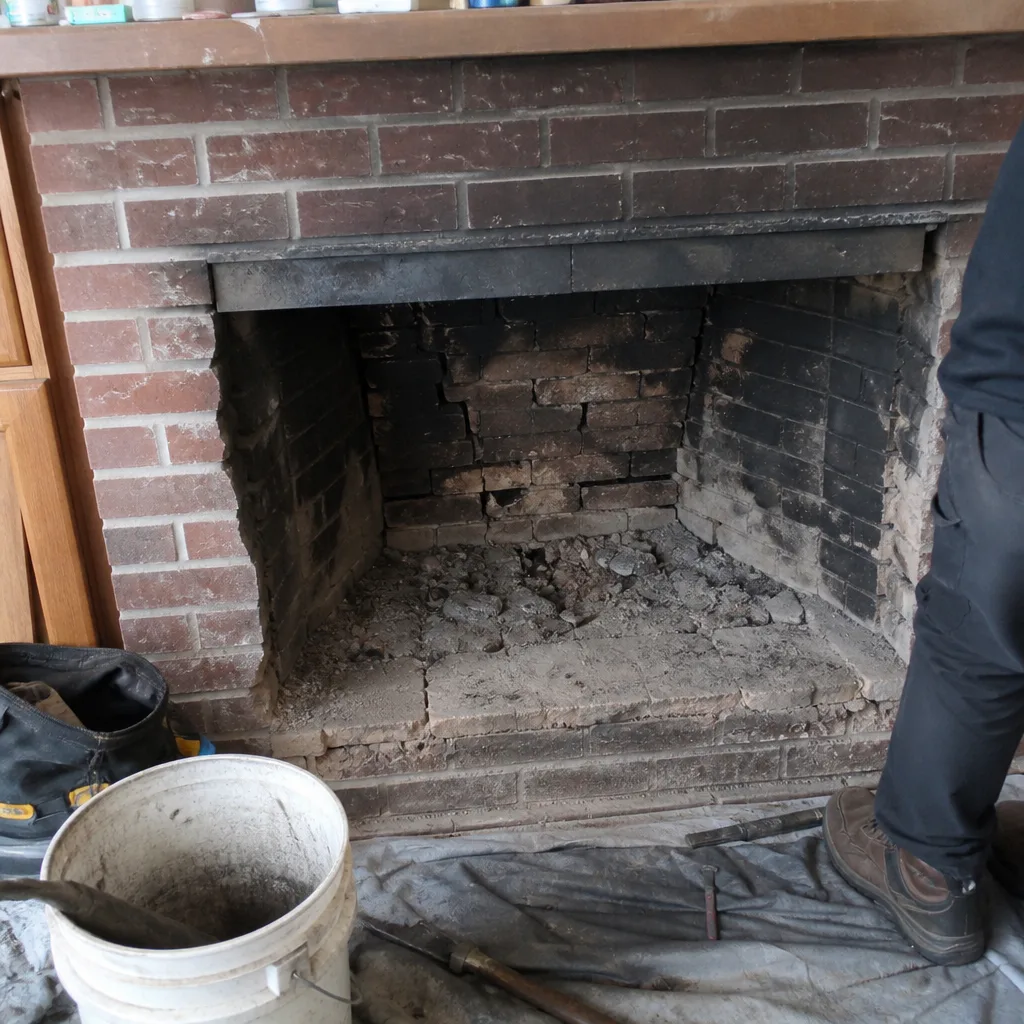 Before
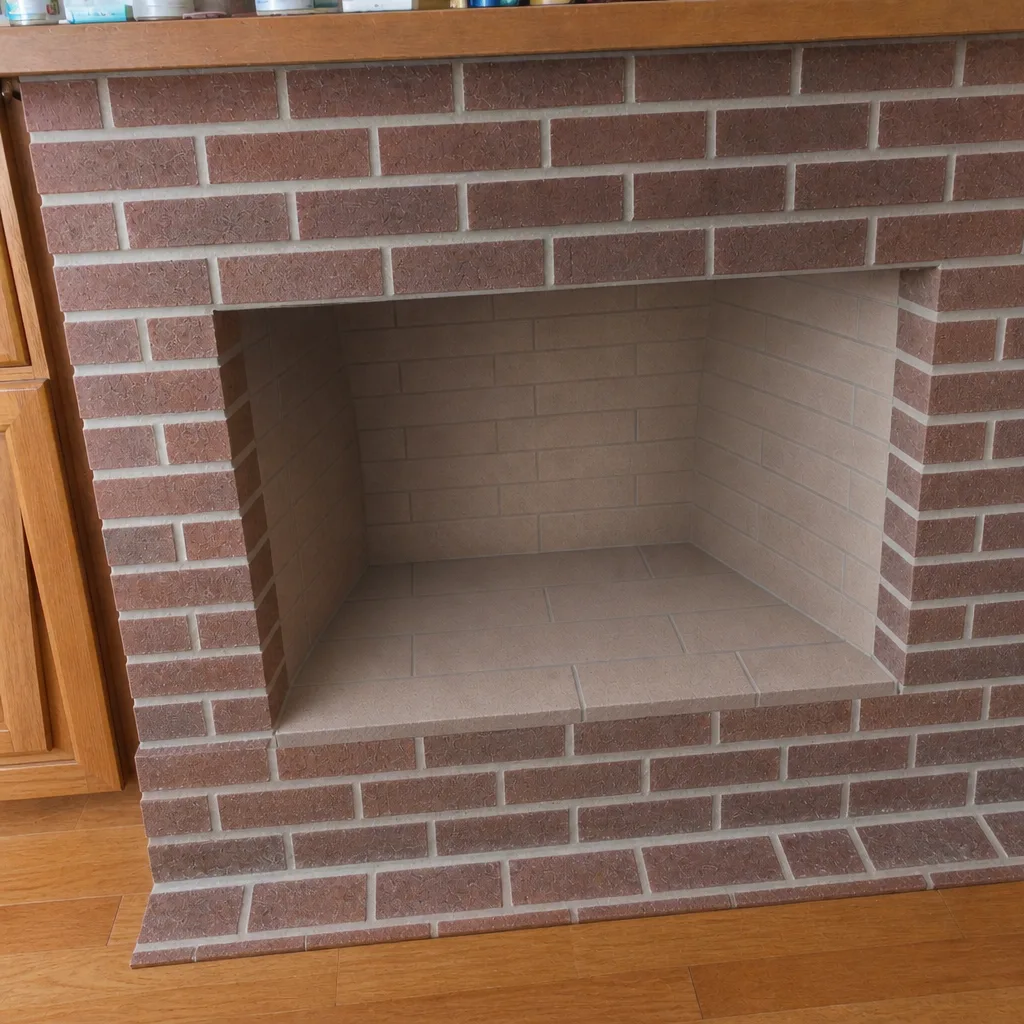 After
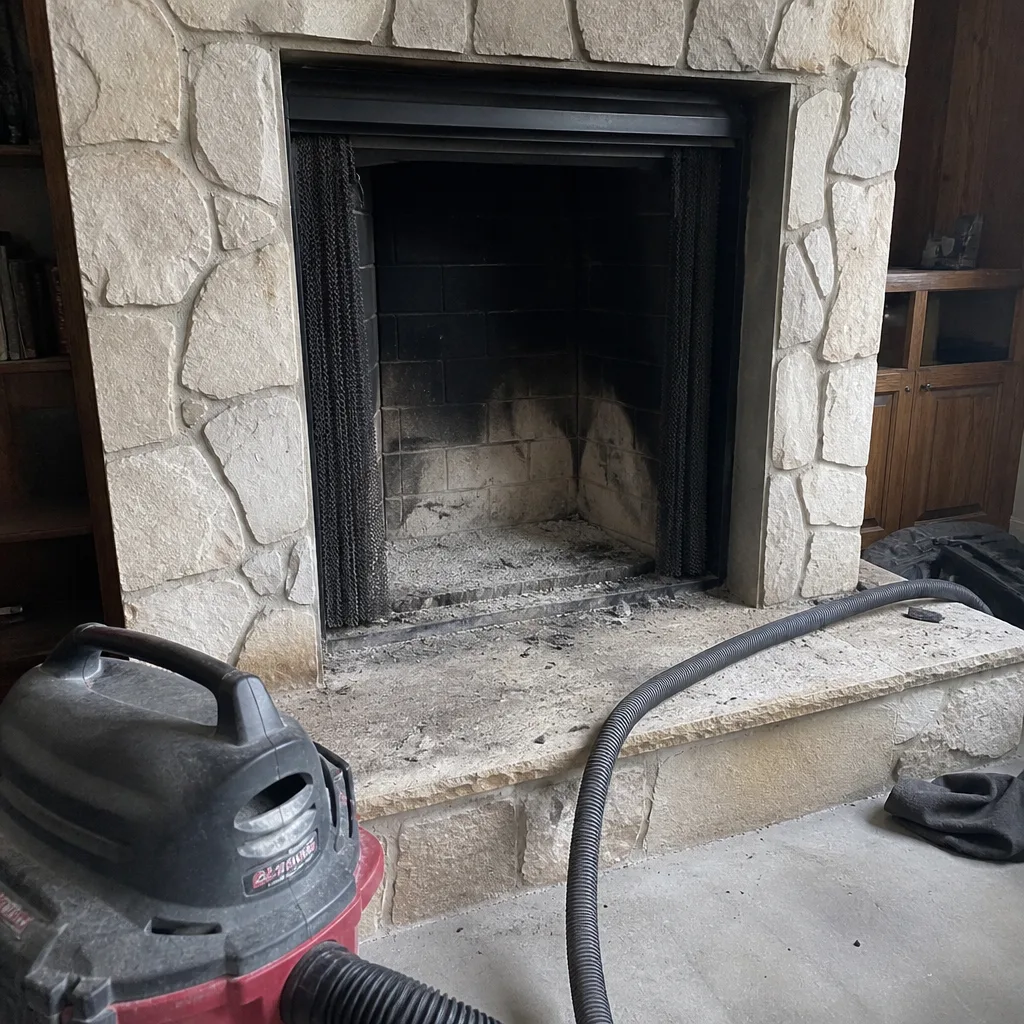 Before
 After
 Before
 After
When to Call a Professional
Call a professional if any of the following is true for your Layton home: you’ve never had the chimney inspected, you bought the home within the past few years without chimney records, you’ve had a chimney fire, you see staining or cracked mortar around the firebox, your fireplace smokes into the room, you have a gas appliance venting into the chimney, or you’re not sure what creosote stage you’re looking at. Call a professional if your roof access is uncertain, or if you’re not sure which end of the flue your brush is supposed to start from. Call a professional if you want a written record of the chimney’s condition for insurance, sale, or your own peace of mind. Layton Chimney Sweep offers free estimates in Layton. Call (877) 492-2589 to book a visit. We answer 24/7. Fast dispatch from 7am to 7pm, Sunday through Friday.
If you’re specifically dealing with firebox or damper problems, our fireplace repair page explains what we typically see and how the repair gets planned. Layton homeowners with cap or crown damage often find it during the same visit, and that work gets handled by the same company.
Frequently Asked Questions
A professional chimney sweep in Layton typically costs $200 – $300, which includes the inspection and a written report of what was found. A DIY kit costs $150 – $300 for a one-time job and doesn’t include the inspection or documentation. Call (877) 492-2589 for an exact quote. Estimates are free.
You can if your home meets four specific conditions: a single-story home, a straight flue with no offsets, a wood-burning fireplace with Stage 1 creosote only, and no prior structural concerns. Most Layton homes don’t meet all four, and you can’t verify them without an inspection first. Call (877) 492-2589 if you’d like us to take a look before you decide.
Yes, if you’ve never had one, if you bought the home recently without chimney records, or if you’ve had any kind of chimney event (fire, smoke roll-out, water damage). A professional inspection finds things a sweep can’t, including liner cracks, smoke chamber problems, and draft issues. Call (877) 492-2589 to schedule an inspection. Estimates are free.
A chimney used regularly for wood burning should be swept annually, before the heating season. If you burn a lot of wood or the wood isn’t well seasoned, more frequent inspection is worth it. If the fireplace is used only occasionally, an annual inspection still makes sense because problems develop even without heavy use. Call (877) 492-2589 to book a visit before the season starts.
Creosote builds up, and at Stage 2 or Stage 3 it becomes a real fire risk. A blocked or damaged flue can also vent carbon monoxide back into your home, and liner cracks can let heat into surrounding structure. The risks are specific and serious, and an annual inspection is the way to catch them before they become emergencies. Call (877) 492-2589 for an estimate on an inspection and sweep.
It can, particularly in older clay tile liner systems. A brush run at the wrong angle, with the wrong head, or with too much force can crack a tile joint or dislodge refractory mortar. If you don’t know what kind of liner you have, doing the sweep yourself is more risk than most homeowners realize. Call (877) 492-2589 if you want a professional to handle the first one.
That depends on what the inspection finds. A small crack or a single damaged tile joint can sometimes be resurfaced rather than replaced. A liner that’s failed along its length usually needs replacement. We use professional-grade systems including HeatShield for resurfacing and DuraFlex for relining, and we can walk you through both options once we’ve seen the flue. Call (877) 492-2589 to schedule an inspection. Estimates are free.
Photos of the firebox, damper, and firebox surround; a note about the appliance type and any changes since last season; and a clear path to the fireplace. If you can estimate the firebox opening dimensions, that helps too. None of it is required, but it makes the visit more useful. Call (877) 492-2589 to book.
The Bottom Line
DIY chimney cleaning is possible in a narrow set of conditions, and most Layton homes don’t meet them. The four conditions (single-story, straight flue, Stage 1 creosote only, no prior structural concerns) are worth checking, but you can’t verify them without an inspection first. The equipment math is close enough that the professional visit is the better value for most homeowners, and the diagnostic work (liner cracks, smoke chamber condition, draft, cap and crown) is what separates a clean chimney from a safe one. If you’re on the fence, the honest answer is that the decision is the professional’s to make, not yours, because the information you need comes from the inspection. If you’d like a free estimate for a sweep and inspection in Layton, call (877) 492-2589. We answer 24/7. Fast dispatch from 7am to 7pm, Sunday through Friday.
One last note for the homeowners who are getting ready to sell or buy a Layton home: a documented chimney inspection is one of the simpler pieces of documentation to have on hand, and it’s often requested during a real estate transaction. Getting it done before the season starts is easier than working around an inspection contingency later. Whether you schedule with us or with another local provider, the important part is having the system looked at by someone trained to see what’s there. Layton Chimney Sweep handles sweeping, inspection, fireplace repair, chimney repair, and cap and crown installation across the Layton area, so the follow-up work stays with the same company if the inspection finds something.
Written by the team at Layton Chimney Sweep.