
Last updated November 24, 2026
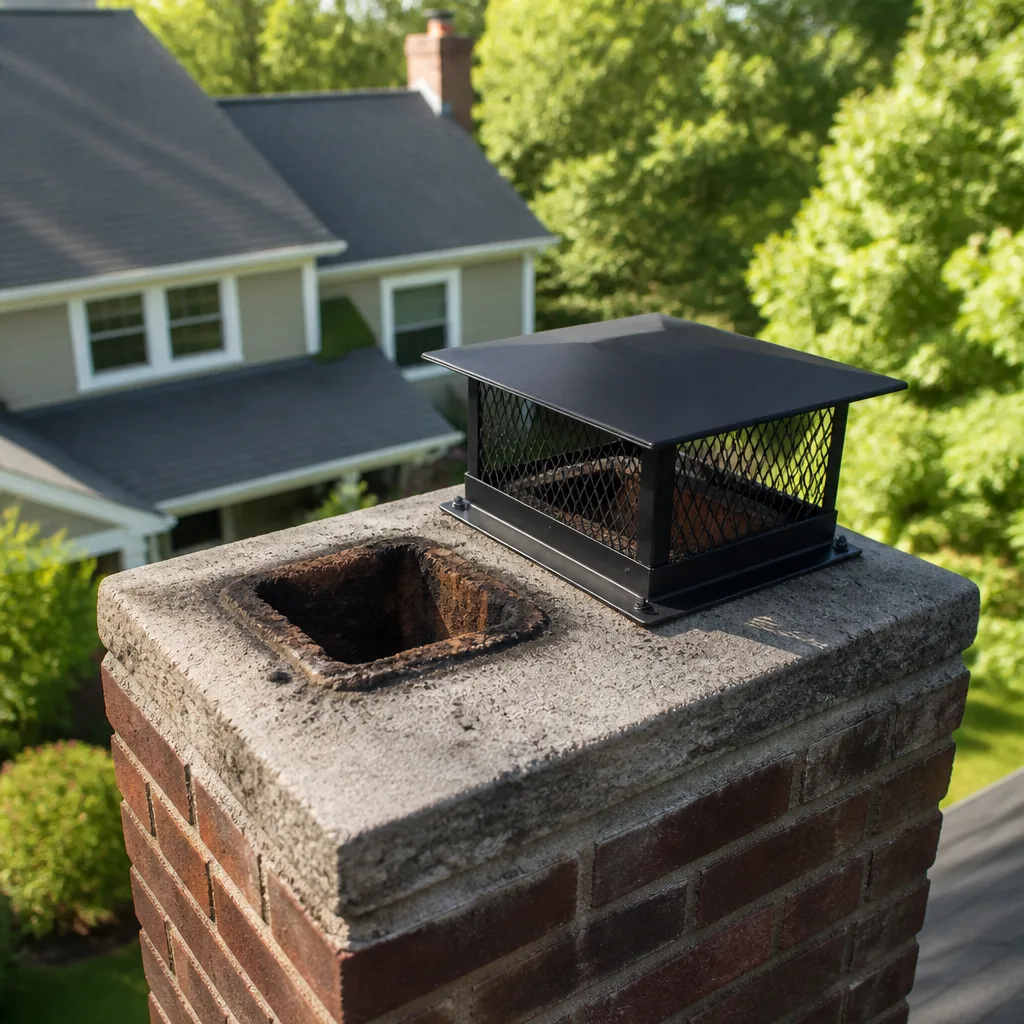 Sweep & inspection
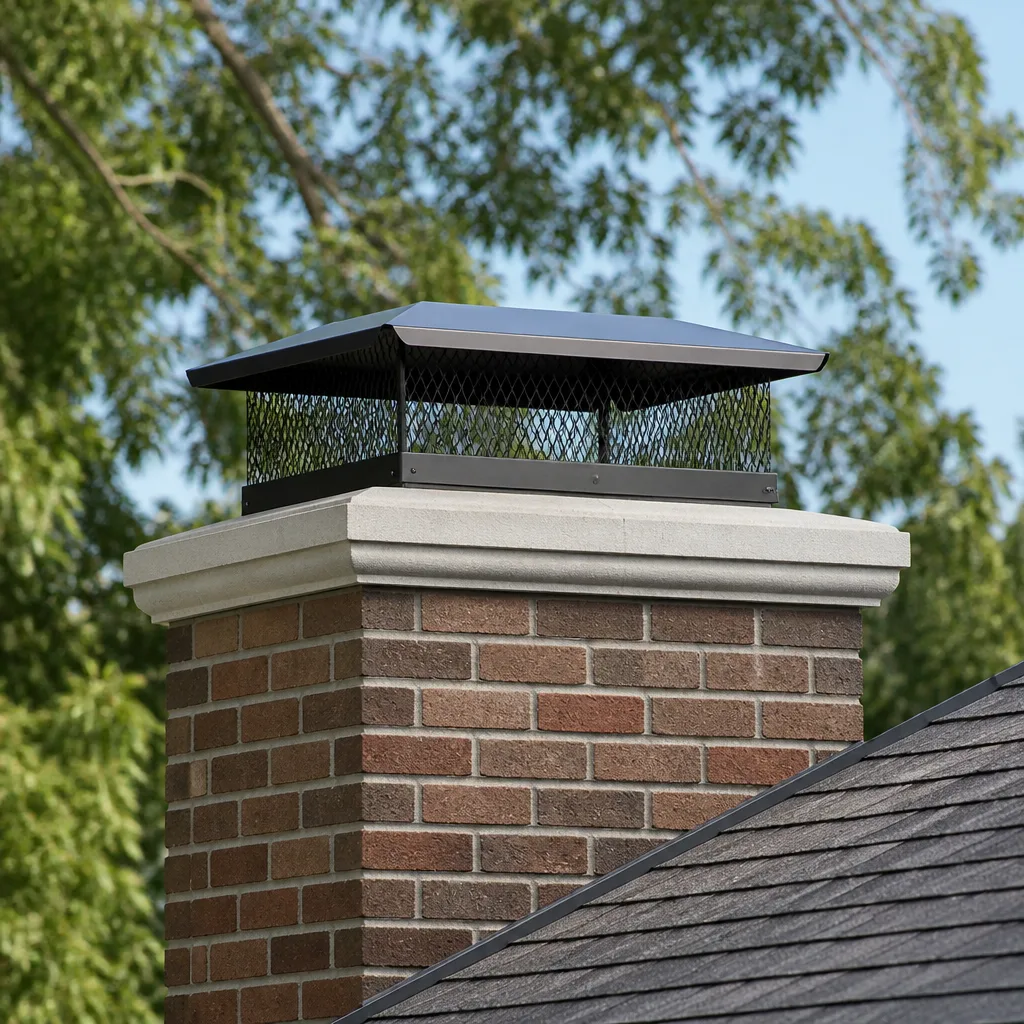 Caps & crowns
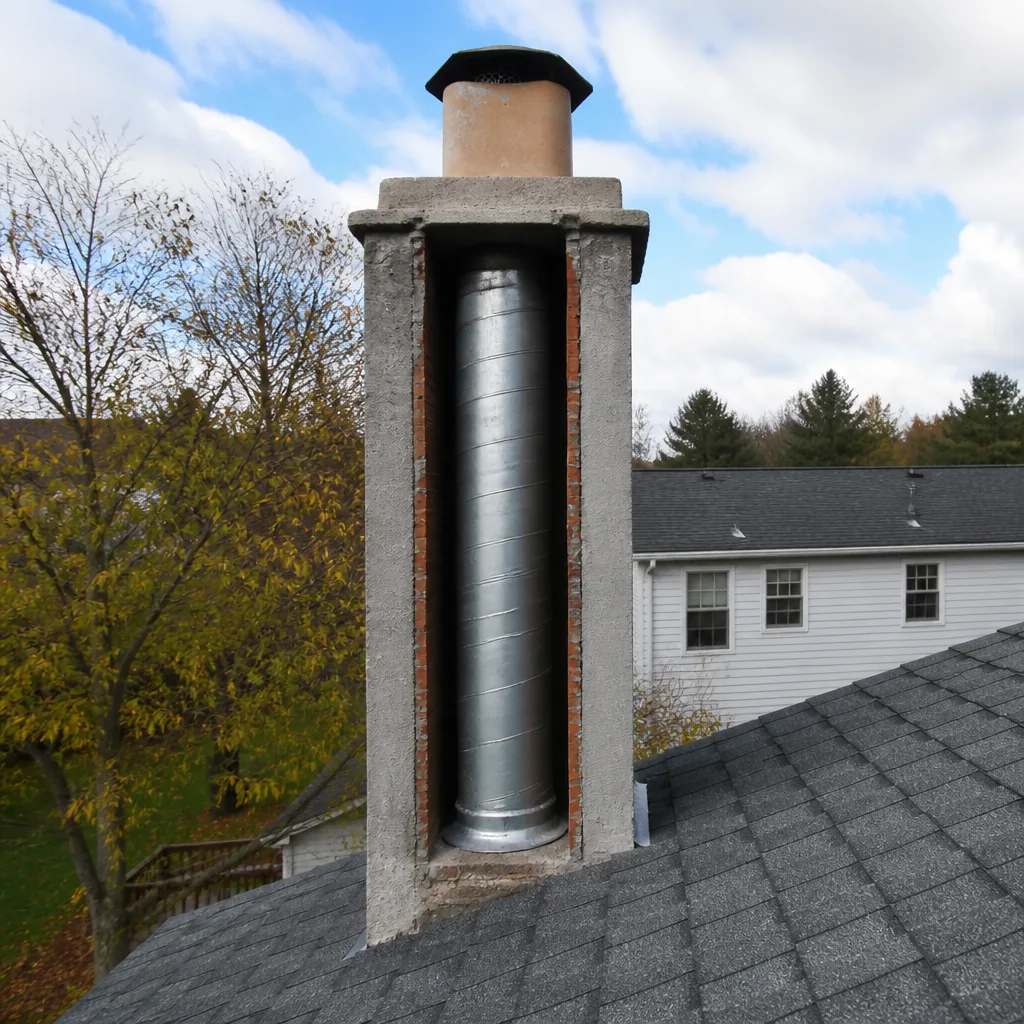 Flue relining
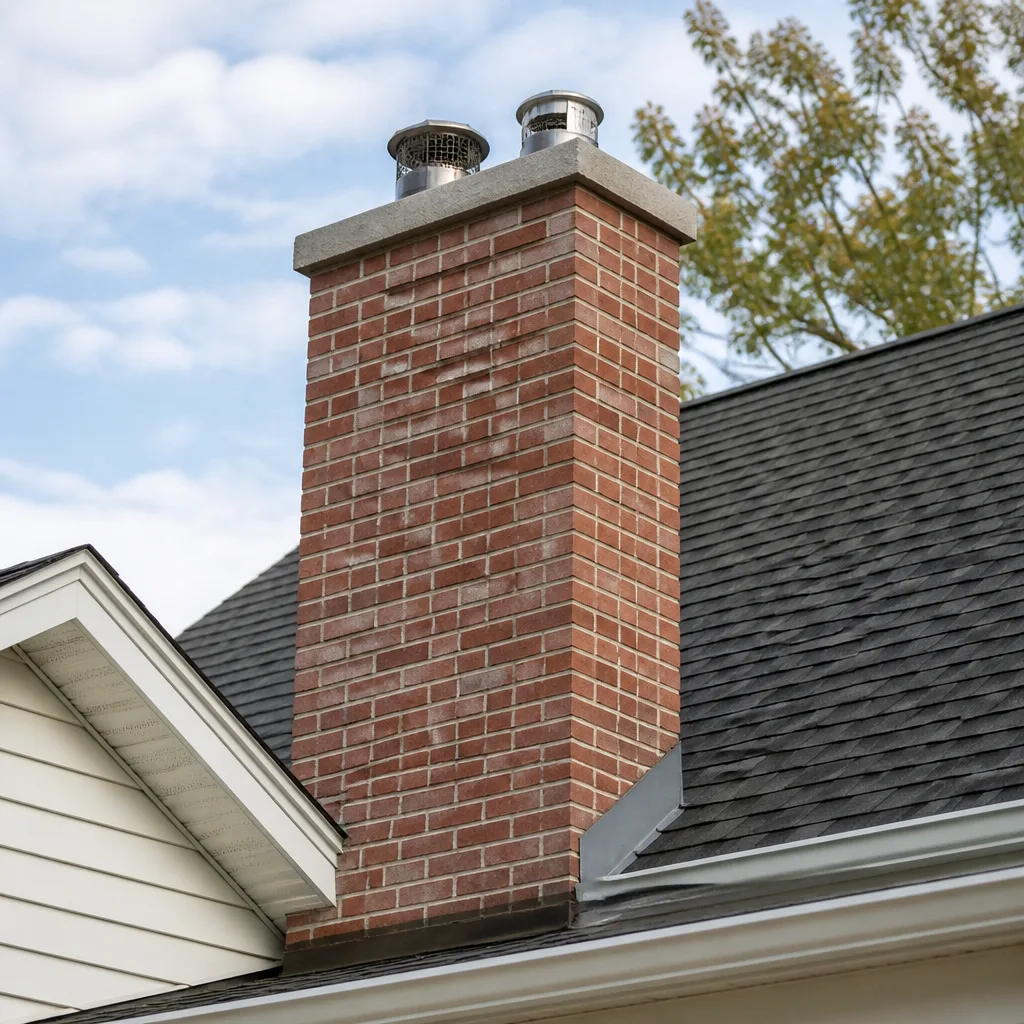 Masonry repair
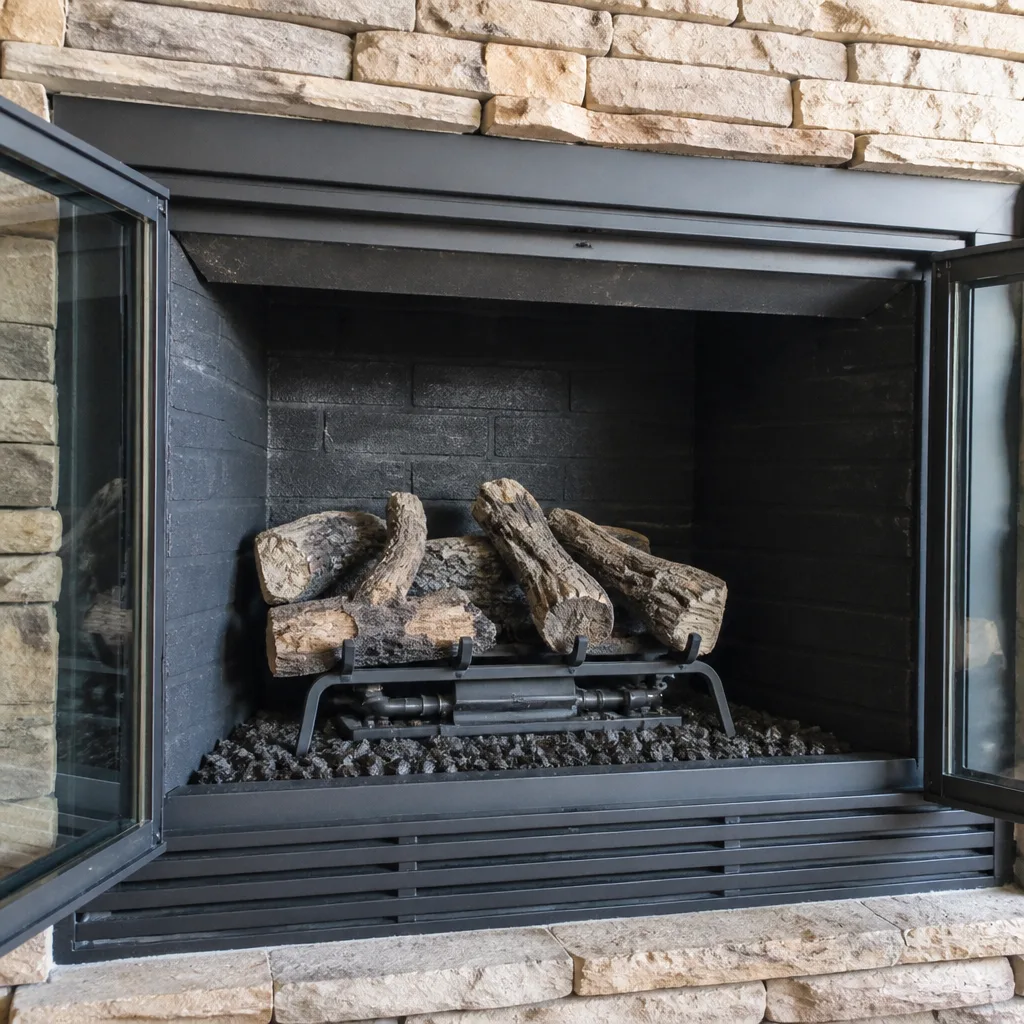 Gas fireplace service
Level 1 sweep and inspection to the NFPA 211 annual standard - flue, crown, cap, and flashing checked and photographed
Chimney sweep logs do not sweep chimneys. They loosen some creosote - which then falls where a brush and vacuum still have to collect it.
The Complete Guide to Chimney Cleaning in Layton
Most Layton homeowners schedule a chimney cleaning. Far fewer know that the cleaning itself is the least important part. What matters is what the sweep finds while doing it: the cracked tile, the thin creosote glaze, the smoke chamber that’s never been parged, the crown that’s quietly channeling water into the masonry. A brush and a vacuum tell you nothing on their own. The value is in the inspection that should come with the brush. This guide walks Layton homeowners through what a real cleaning involves, how Utah’s winter inversions change the creosote math, why the older housing stock on the east bench needs different tools than newer builds, and how to tell whether your sweep is qualified to have the repair conversation once the cleaning uncovers a problem.
Quick Answer
A chimney cleaning in Layton is a sweep of the flue plus an inspection of the firebox, smoke chamber, damper, and liner, and it should be done annually for anyone burning wood regularly. Most Layton homes need a Level 1 or Level 2 inspection attached to that cleaning, not just a brush run. The cleaning is the entry point; the inspection is what actually protects your home.
Styles & brands we work with
- Sweep & inspection
- Caps & crowns
- Flue relining
- Masonry repair
- Gas fireplace service
Table of Contents
- Why Utah’s Inversion Season Changes Your Cleaning Schedule
- Level 1, Level 2, Level 3: Which Inspection Do You Actually Need?
- Clay Tile Liners and Older Layton Homes: What’s Different
- What a Full-Service Cleaning Visit Should Include
- Creosote 101: The Three Degrees and Why They Matter
- Red Flags That Mean the Cleaning Is Now a Repair Conversation
- How Often Should You Actually Clean?
- How to Tell If Your Sweep Is Qualified
Why Utah’s Inversion Season Changes Your Cleaning Schedule
Layton sits in the Wasatch Front airshed, and from roughly December through February that means temperature inversions: cold air trapped under a warmer layer, particulate matter held close to the ground, and burn-day restrictions issued when the air quality gets bad. What most homeowners don’t connect is that the same conditions that trap smoke in the valley also affect how creosote forms inside your flue.
When a fire burns slowly and smolders because you’re trying to stretch a load of wood or the damper is closed down to keep heat in the room, the exhaust is cooler and wetter. Cool flue gas condenses on the liner walls, and condensation is the raw material creosote is made from. In milder climates, flues stay warm and the smoke carries out. In Layton’s inversion-season cold, the outer walls of an exterior chimney stay cold for weeks, and that cold surface is where the deposits build fastest.
What this means practically:
- If you burn wood as a primary or near-primary heat source through the winter, an annual cleaning is the floor, not the ceiling.
- If you burn on burn-restricted days with a smoldering fire, you’re building glaze faster than someone burning hot fires on a clean flue.
- Seasoned, dry wood under 20% moisture content burns hotter and cleaner. This is the single biggest lever you control.
- An exterior chimney on a north or west wall runs colder than an interior chase and needs eyes on it every year.
None of this means you need to panic. It means the schedule for a Layton wood-burner is different from a homeowner in a milder climate running an occasional fire on a holiday. The cleaning is the check-in that keeps the flue honest.
Level 1, Level 2, and Level 3: Which Inspection Do You Actually Need?
Inspection levels are a national standard, not a Layton-specific rule, but they’re the framework every qualified sweep uses and most homeowners have never heard of them. Here’s the plain version.
Level 1: A visual inspection of the readily accessible portions of the chimney and connected appliance. No tools beyond a flashlight, camera, and basic hand tools. This is what’s attached to a routine annual cleaning when nothing has changed.
Level 2: Everything in Level 1, plus accessible portions of the attic, crawlspace, and any accessible areas of the chimney. It includes a camera scan of the flue. This is the level most Layton homeowners actually need in specific situations:
- A new home purchase (a home inspector’s report rarely includes a camera scan of the flue).
- After a chimney fire, a flue fire, or any event where the liner may have been stressed.
- After any structural change to the home near the chimney, or a change in heating appliance.
- After an earthquake (Layton sits on the Wasatch Front seismic zone; visible masonry damage is common after a shake).
- Whenever the previous cleaning was more than a year ago and the history is unknown.
Level 3: Diagnostic inspection that requires removing portions of the chimney or its components to access concealed areas. This is reserved for a known or suspected hazard that can’t be assessed any other way, and it’s rare on a routine cleaning.
Most Layton homeowners cleaning on schedule get a Level 1 with the sweep. Most Layton homeowners who bought an older home recently need a Level 2 at least once, and a camera scan is the reason why. The camera sees what the brush cannot.
Clay Tile Liners and Older Layton Homes: What’s Different
A large share of Layton’s housing stock was built before 1990, and pre-1990 construction almost always means a clay tile liner. Clay tile is not bad. It’s a serviceable liner when it’s sound. But it’s a different animal from the stainless steel systems installed in newer builds, and the cleaning tools and techniques are different too.
Why clay tile absorbs damage. Clay tile is porous. When the flue runs cold and wet during inversion season, acidic condensates soak into the tile surface and mortar joints. Over enough seasons, that deterioration is real. The most common failure we find is a cracked tile in the smoke chamber zone or a joint that’s lost mortar, which lets creosote reach behind the liner and into the masonry.
Why the tools matter. A stiff poly brush is the standard for stainless liners. On older clay tile with any existing damage, the wrong brush or the wrong technique can finish what time started. A qualified sweep varies brush type, brush size, and speed based on the liner condition, and stops when the tiles can’t take more. The cleaning process is not the same on every chimney.
Why the scan matters. A camera scan is the only way to actually see whether clay tiles are intact from top to bottom. A brush clears the flue. Only the camera tells you whether the flue behind it is still structurally sound. When we find a deteriorated clay liner, the long-term fix is usually a relining system, and DuraFlex is the kind of stainless reliner installed for that job: it goes inside the existing clay flue and creates a new continuous surface. Many Layton homes built in the 1960s through the 1980s are dealing with exactly this decision.
If you bought a home with an older fireplace and no service history, a Level 2 inspection with a camera scan is the first call, not the cleaning. If you’re not there yet, a chimney sweep with a camera attached is the right starting point.
What a Full-Service Cleaning Visit Should Include
Here’s the honest truth about the market: some companies clean, and some companies clean and inspect. When you book, you want the second kind. This list is what a proper visit includes, in the order a qualified sweep actually performs it.
- Setup. Drop cloths, a HEPA vacuum connected before the first brush moves, and sealing of the firebox opening so no dust escapes into the room. If the setup looks like an afterthought, stop the visit.
- Firebox assessment. Condition of firebrick, brick joints, mortar, and the fireback. Cracks in the firebox are how heat gets into the structure.
- Damper operation. Full open, full close, no binding. A damper that won’t close loses heat; a damper that won’t open is a carbon monoxide risk the moment the fire is lit.
- Smoke chamber inspection. The smoke chamber is the funnel-shaped area between the firebox and the flue. On older masonry chimneys it’s often unparged rough brick where creosote builds heavily, and it’s the area many sweep-only companies skip entirely. HeatShield is the kind of resurfacing material formulated for this zone when it needs repair.
- Flue sweep. Brush matched to the liner type, from the top or bottom depending on access, with a camera check after on anything but a confirmed-sound stainless liner.
- Liner check. Camera scan for tile cracks, joint gaps, and stainless seam integrity. The photo report is what you take with you.
- Exterior check. Crown, cap, flashing, and masonry above the roofline. Water is the single most destructive force on a chimney, and it enters at the top.
- Report and photo documentation. You should leave with a clear picture of what was found, what’s fine, what’s a watch item, and what needs repair. The sweep should not be the only record of what happened.
A visit that stops after the brush is not a full-service cleaning. It’s a partial one. That distinction matters more in Layton than in most places because the same inversion conditions that drive creosote buildup also drive the moisture problems that damage crowns and masonry over the long haul.
Creosote 101: The Three Degrees and Why They Matter
Creosote is the byproduct of incomplete combustion that condenses on the flue walls. It comes in three forms, and the cleaning and safety implications of each are different.
First degree: soot and light fluff. Dusty, easy to brush, and what shows up in a well-run flue with dry wood and hot fires. A standard sweep handles this cleanly.
Second degree: flakey and crusty deposits. The brush will remove most of it, but some remains on the liner surface. Second-degree creosote is the everyday condition of most Layton wood-burning chimneys after a season of regular use. It’s the reason annual cleaning matters.
Third degree: glazed creosote. Hard, shiny, tar-like, and the most dangerous form. Standard brushes slide off it. Glazed creosote is the fuel load behind the hottest chimney fires, and when a qualified sweep finds it, the cleaning has just become a repair conversation. The fix is usually chemical treatment followed by mechanical removal, and in severe cases the liner itself needs to be relined because the glazed coating can’t be safely cleaned without damaging the tile.
What drives creosote from first degree toward third degree:
- Unseasoned wood (above 20% moisture) – the single biggest driver.
- Smoldering or slow, cool fires, which is common during inversion season when burn restrictions tempt homeowners to stretch a load.
- An oversized flue for the appliance (a common condition in older Layton homes with an insert added on top of the original masonry flue).
- A cold exterior chimney on a north or west wall, which stays cool and condenses more all season.
- Skipping a cleaning season entirely, which allows a second-degree layer to age into a glaze.
If you’ve been burning wet wood or running smoldering fires, the cleaning frequency should be tighter. That’s the practical takeaway.
Red Flags That Mean the Cleaning Is Now a Repair Conversation
Most of the time a cleaning ends with a clean flue and a report. Sometimes it doesn’t. Here’s what a qualified sweep is looking for during the cleaning, and what each finding likely means.
- Glazed creosote (third degree). The flue needs chemical treatment, and in severe cases, relining. A brush won’t solve it.
- Cracked or displaced clay tile. The liner has failed. Creosote can reach the masonry behind it, which is a fire risk. Relining with a stainless system is the standard fix.
- Damaged or missing crown. Water is getting into the top of the chimney. Crown repair or a full crown replacement, and often a new cap and crown installation, is the fix. This one is easy to defer and expensive to defer, because masonry damage below the crown grows with every wet season.
- Missing or damaged chimney cap. Birds, rain, and snow enter the flue. A proper cap with a screen prevents it.
- Cracked firebox brick or open mortar joints. Heat penetrates the structure. Fireplace repair is the fix, and it’s usually masonry work, not a hardware-store patch.
- Smoke chamber with heavy creosote buildup and no parge. Resurfacing with a proper material is the fix, and the sweep doing the cleaning should be able to perform it. If they can’t, you’ll need a second company. That’s the moment to ask whether your original call was to the right company.
- Rusted or delaminating stainless liner. The liner has failed. Relining with a new system (DuraFlex is the kind we install) is the fix.
A sweep that finds one of these and just hands you a phone number for someone else is telling you something. Layton Chimney Sweep offers the full scope of chimney repair so the findings become a written estimate, not a referral list. We use DuraFlex for relining and HeatShield for resurfacing because those are the professional-grade systems the repair calls for, not the big-box substitutes. Olympia Chimney components fill out the small-parts side.
How Often Should You Actually Clean?
Annual cleaning is the standard recommendation for anyone using a wood-burning fireplace or stove regularly. In Layton, that standard gets tested by a specific set of conditions. Here’s a practical guide.
- Occasional fires (a few per month in season): annual cleaning with a Level 1 inspection is right.
- Regular fires (several per week during heating season): annual cleaning is still the floor, but check the flue mid-season if you notice reduced draft or a strong smell when the fire isn’t burning.
- Primary heat source through the winter: annual cleaning is the absolute minimum, and a mid-season brush is worth discussing if you’re burning through inversion season without pause.
- New to you home with unknown history: a Level 2 inspection with a camera scan before the first fire, then annual from there.
- After any chimney fire, even a small one: inspect before the next fire. No exceptions. A chimney fire can crack tiles and warp a stainless liner without visible external damage.
The single best signal is the previous inspection report. If the sweep found only first-degree soot, annual is plenty. If second-degree was already present at the last visit, the same schedule moves the buildup forward a step. If third degree was logged, the schedule needs to change and the liner needs to be re-evaluated before the next season.
How to Tell If Your Sweep Is Qualified
Not every company that calls itself a chimney sweep can actually fix what it finds. That matters in a specific way in Layton: many of the older homes have clay tile liners that are now at or past the end of their service life, and the cleaning is the appointment where that gets discovered. Here’s how to tell you’ve called the right company.
- They scan the flue with a camera. A cleaning without a camera scan is a brush run. On a clay tile liner, the camera is the only way to know whether the tiles are intact.
- They hand you a written report. You should have a record of what was found, not just a verbal “all good.” The photo report is part of the value.
- They perform the repairs the inspection calls for. A sweep-only company stops at the brush. A specialist offers the full scope: sweep, inspection, fireplace repair, chimney repair, and cap and crown installation. When the inspection finds a damaged crown, the specialist writes the estimate. When the inspection finds a failing liner, the specialist installs the reliner.
- They stock professional-grade materials. Repairs should spec DuraFlex, HeatShield, Gelco, Olympia Chimney, Famco, or Copperfield, depending on the job. Not a hardware-store substitute dressed up as a solution.
- They’re honest about what can wait. A small crown crack and a compromised liner are not the same urgency. A qualified sweep tells you which is which, in writing. If everything found turns into a high-pressure sales pitch, you’ve called the wrong company.
The other thing to check: the local pro should be licensed and insured as their state requires, and willing to confirm it when you ask. Our core services are the full set, which means the same company that shows up to clean is the one you can call when the cleaning finds a problem. Our technicians have up to 12 years of experience.
Common Mistakes to Avoid
- Skipping a cleaning because the fire “looked fine.” The flue doesn’t tell you it’s compromised by looks. The signs of a cracked tile or thin glaze are inside the flue, and only a camera sees them.
- Burning unseasoned wood during inversion season. Wet wood is the fastest way to build glazed creosote, and Layton’s cold exterior chimneys are already condensing more than a warmer climate’s would.
- Using a generic stiff brush on an old clay tile liner. A worn tile is fragile. The right poly brush and a slower technique protect the tile; a rough brush finishes it off.
- Treating the cleaning as a once-in-a-while appointment rather than an annual inspection. The brush is the small part. The inspection and photo report are the value.
- Hiring a sweep-only company on a home that needs major repair. The cleaning itself will be fine. The problem is that the person who finds the repair can’t quote it, and you’re starting over with a second company.
- Waiting until the first cold week to book. Inversion season is when the phone lines light up. Booking in late summer or early fall keeps the visit on your schedule.
- Patching cracks with caulk or mortar from the hardware store. The firebox and smoke chamber take real repair materials, not a patch. Shortcuts there are the ones that fail.
- Ignoring the crown. Most chimney damage is water damage, and the crown is where water enters. A small crown crack in a wet Layton winter moves into the masonry behind the flue within a couple of seasons.
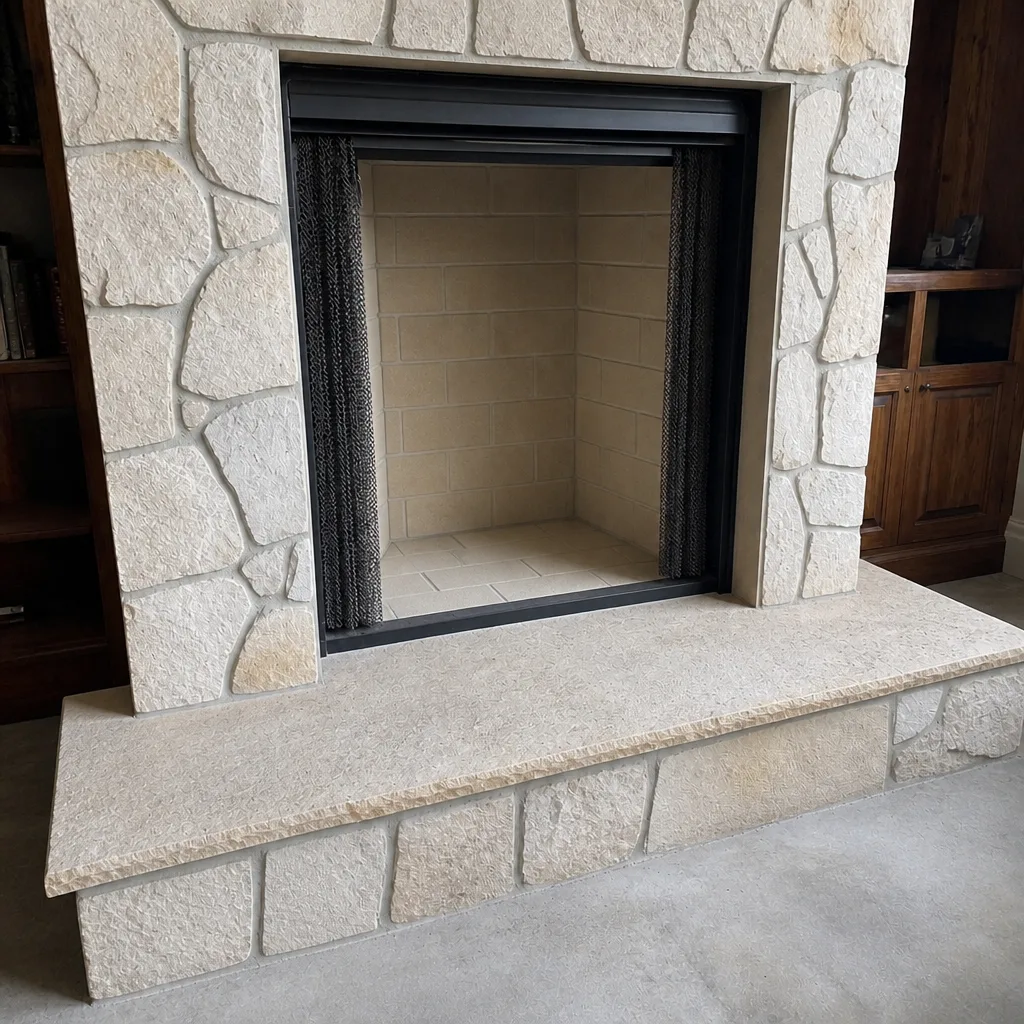
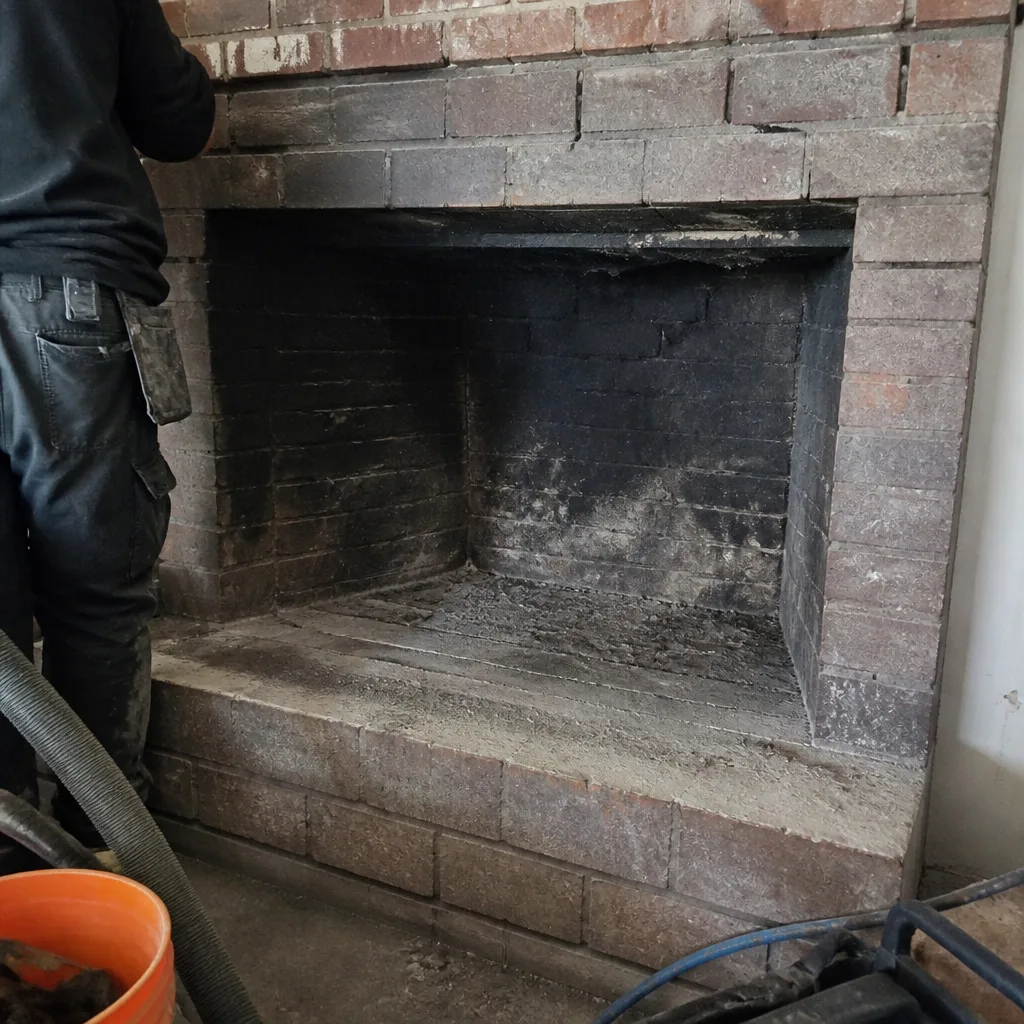
See the difference
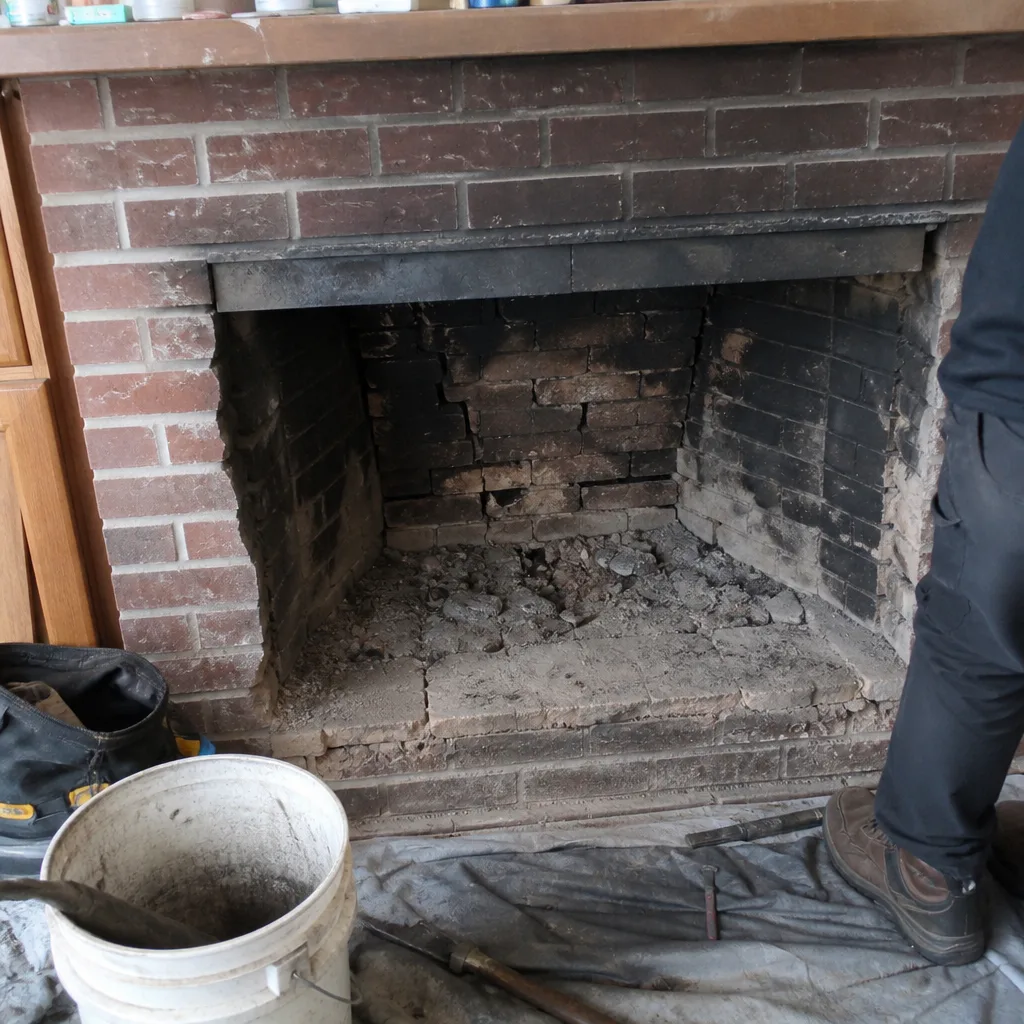 Before
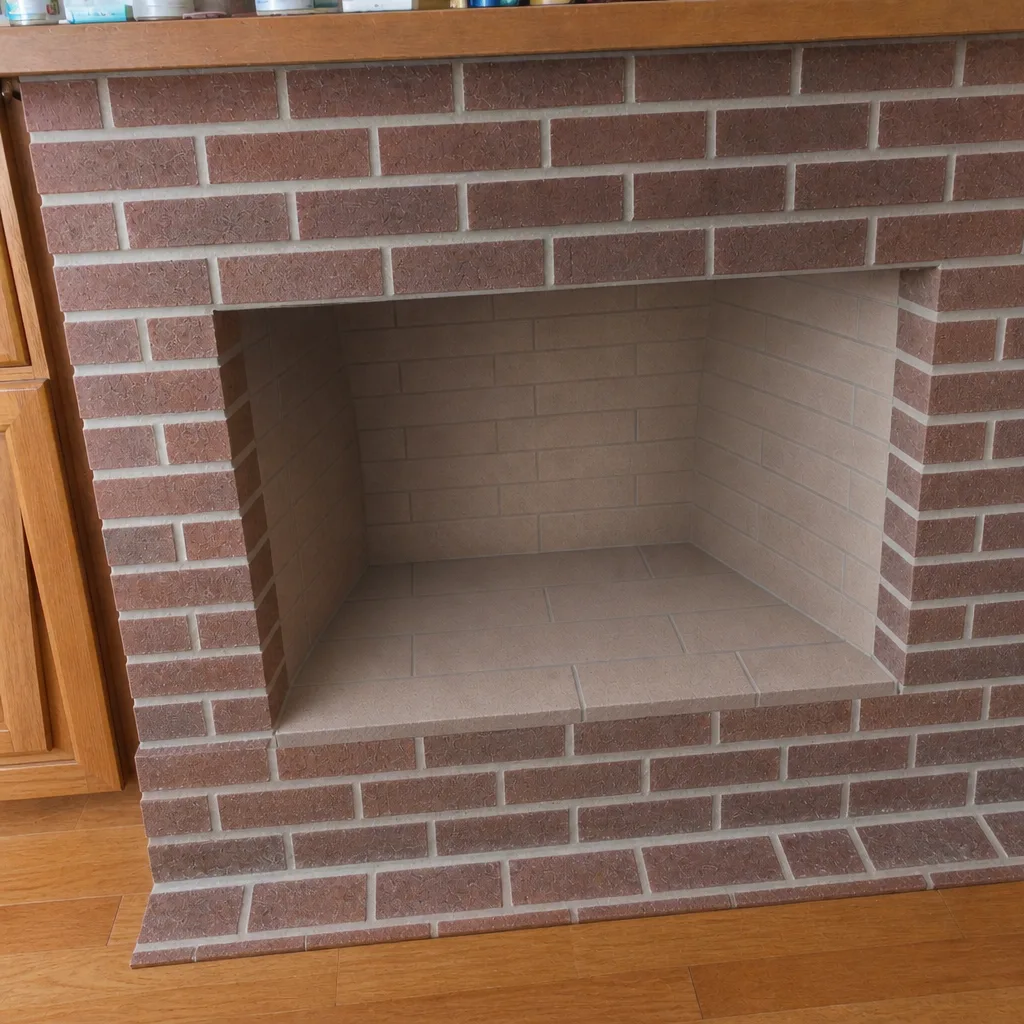 After
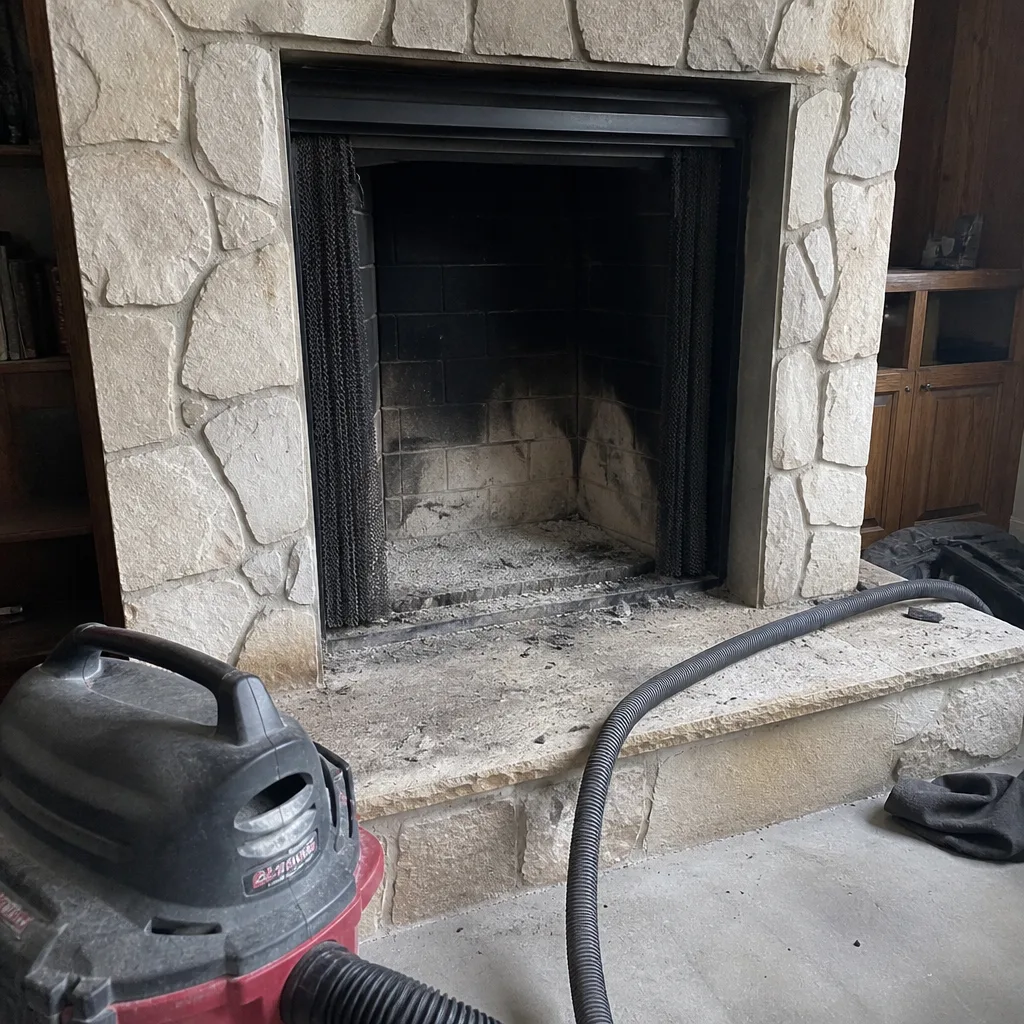 Before
 After
 Before
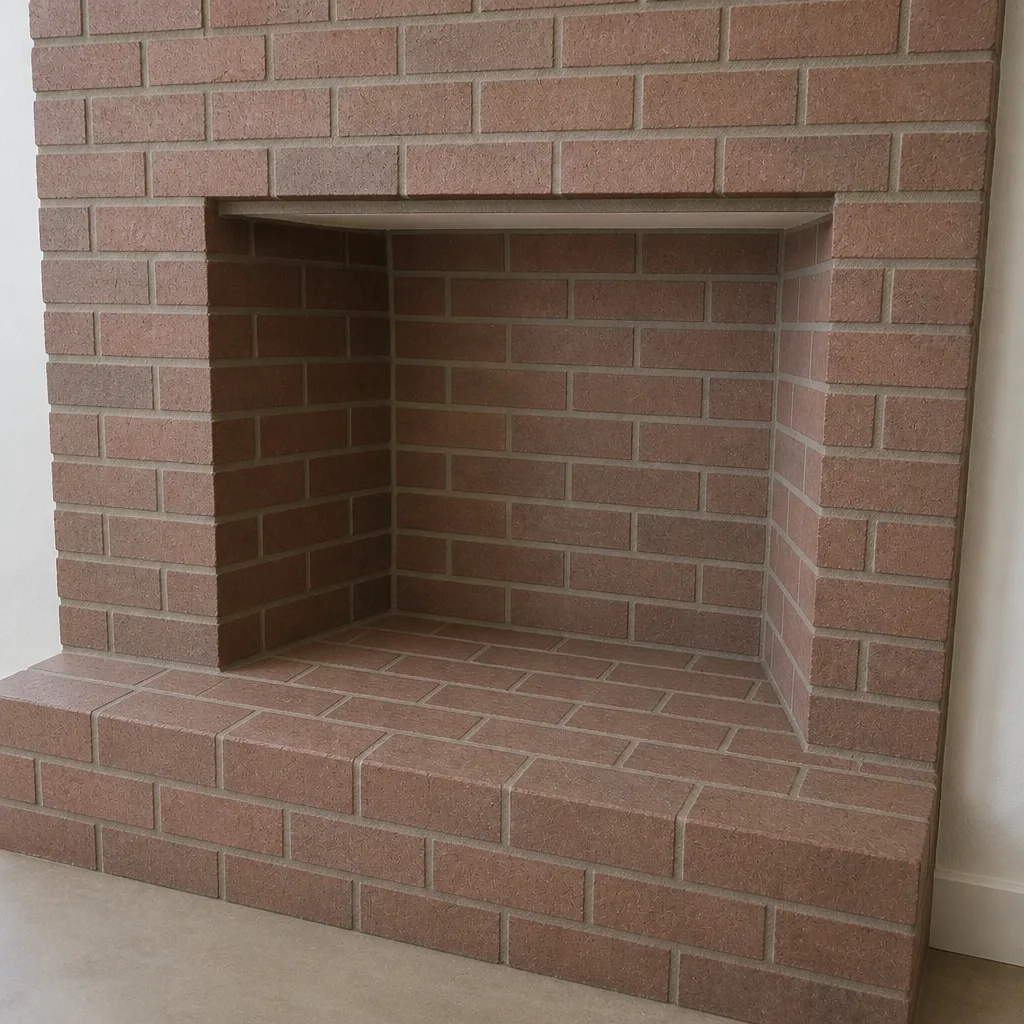 After
When to Call a Professional
Call a professional in any of these situations:
- You just bought a home with a fireplace and have no cleaning history for it.
- You’ve had a chimney fire, or you suspect one (a loud roar, a strong smell, or black smoke from the top).
- Smoke spills into the room when the fire is lit, which often means a blockage, a damaged liner, or a draft problem.
- You see cracks in the firebox, in the exterior masonry, or in the crown.
- You smell a strong odor from the fireplace when it’s not in use (a sign of buildup that needs to come out).
- You’ve burned a season or more without a cleaning.
- You see visible creosote through the open damper.
Layton Chimney Sweep offers free estimates in Layton. Call (877) 492-2589. Estimates are set per job in the written estimate, and the estimate is free. Not every finding on an inspection needs an immediate repair; we’ll tell you plainly which is which, in writing, so you can plan.
Frequently Asked Questions
Prices for a chimney cleaning in Layton vary by the liner type, accessibility of the flue, and whether a camera inspection is included. The cost is set per job in the written estimate, and the estimate is free. Call (877) 492-2589 to book a visit; the sweep and inspection fee is confirmed before the appointment, not after.
Once a year is the standard for any Layton home with a wood-burning fireplace in regular use, and that’s the floor, not the ceiling. If you burn wood as a primary heat source through inversion season, if you’ve burned a season without a cleaning, or if you bought a home with unknown fireplace history, book earlier and book a camera scan. Call (877) 492-2589 for an exact appointment.
You need a new liner when the camera scan shows damaged clay tiles, failed joints, or a rusted stainless liner, and you don’t need one when the scan shows a sound liner. The fix isn’t a feeling; it’s a photograph. Ask to see the scan images before you decide. Call (877) 492-2589 and ask for the camera report as part of the estimate.
Creosote keeps building on the flue walls, and the deposits that were second-degree last season become third-degree glaze over the next, which is the hottest-burning fuel load in a chimney fire. A skipped season also means water damage and liner cracks go unseen, and those get more expensive with every wet winter. Book a cleaning before the next heating season; call (877) 492-2589 for a free estimate on the visit.
A cleaning is the sweep of the flue and firebox; an inspection is the diagnostic look at the whole system, including a camera scan, damper operation, smoke chamber, and exterior condition. The two are different services and should be sold as different line items, not rolled into one price. A proper visit includes both, which is what you should expect when you call (877) 492-2589.
We handle the full scope: Layton Chimney Sweep services include sweeping, inspection, fireplace repair, masonry repair, cap and crown installation, and relining with DuraFlex. If the camera scan finds a cracked crown or a failed liner, the same visit produces an estimate for the fix. Call (877) 492-2589 to book the visit and the estimate together.
The Bottom Line
Chimney cleaning in Layton is a diagnostic process, not a box to check before winter. The brush clears the flue; the inspection tells you what condition it’s in. Inversion-season cold builds creosote faster than a milder climate would, older Layton homes with clay tile liners need different tools and a camera scan, and most of what a cleaning finds can be repaired by the same company that found it. Book the visit annually, ask for the camera report, and read the estimate before you sign it. If you’ve been burning without a cleaning for more than a season, or you’re new to a home with an older fireplace, the next step is a call. Layton Chimney Sweep inspects it, cleans it, and fixes it in one relationship, with professional-grade materials and a written estimate before any work begins.
Call (877) 492-2589 to book your cleaning and inspection. We answer 24/7. Fast dispatch, 7am-7pm, Sunday through Friday.
Written by the team at Layton Chimney Sweep.