
Last updated November 24, 2026
 Sweep & inspection
 Caps & crowns
 Flue relining
 Masonry repair
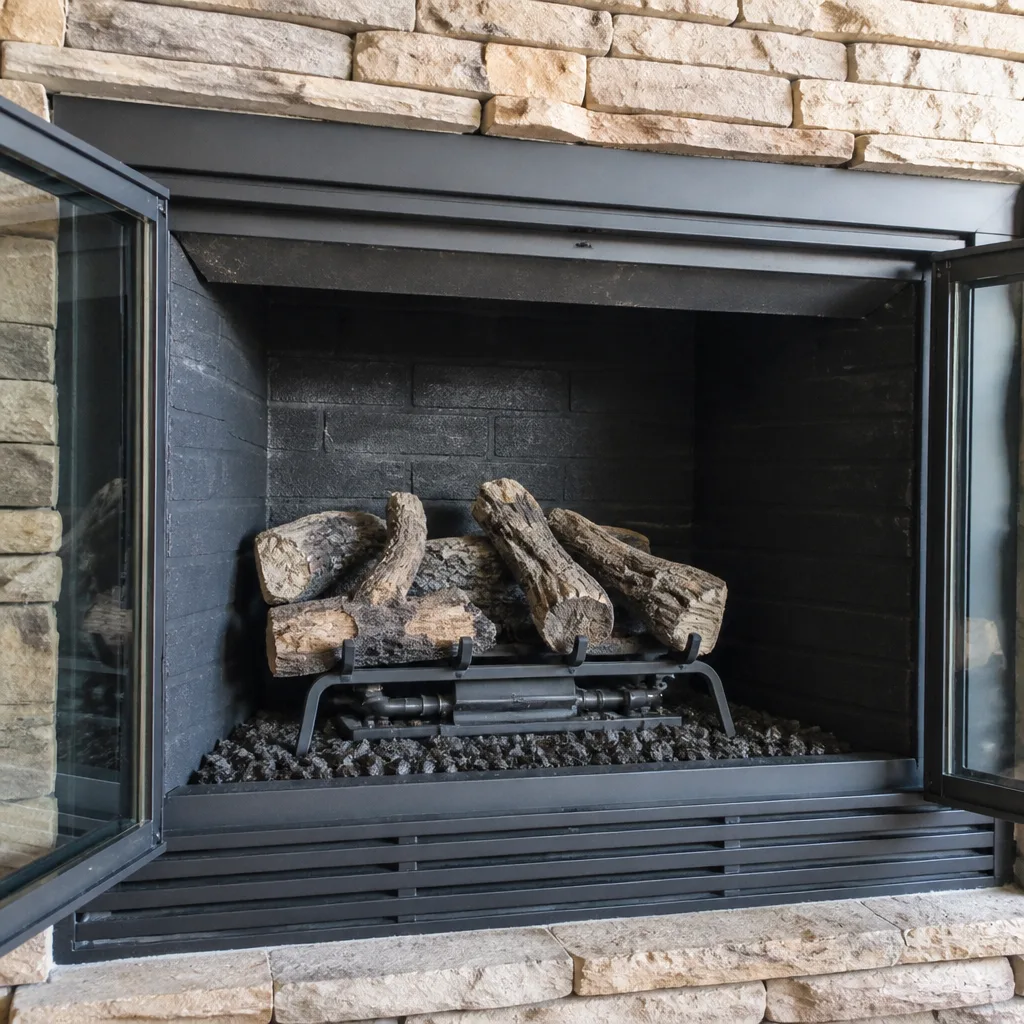 Gas fireplace service
Level 1 sweep and inspection to the NFPA 211 annual standard - flue, crown, cap, and flashing checked and photographed
Chimney sweep logs do not sweep chimneys. They loosen some creosote - which then falls where a brush and vacuum still have to collect it.
Chimney Sweep Maintenance Checklist for Layton Homeowners
The most expensive chimney problems in Layton usually start small enough to ignore. That’s the trap. Freeze-thaw cycles along the Wasatch Front work on masonry the way a chisel works on stone: water gets in, freezes overnight, expands, and pries things open a little more each time. By the time a homeowner notices, a hairline issue in the crown or a soft mortar joint has had a whole winter to grow. This guide is a month-by-month, component-by-component maintenance checklist built for what chimneys here actually go through. You’ll learn what to check and when, how gas inserts and wood-burning fireplaces differ in their maintenance needs, how to read creosote buildup, and which records are worth keeping when you sell the house or file a claim.
Quick Answer
A Layton homeowner should have the chimney swept and inspected once a year, ideally in early fall before the first fire, with a visual exterior check each spring after the freeze-thaw season and a quick look in midsummer while the chimney sits dormant. Wood-burning fireplaces need annual sweeping based on how much you burn; gas inserts still need an annual inspection and cleaning even though they produce far less visible debris. The checklist below walks through each season and each component so you know exactly what to look at and when to bring in a professional.
Styles & brands we work with
- Sweep & inspection
- Caps & crowns
- Flue relining
- Masonry repair
- Gas fireplace service
Table of Contents
- Why Layton Chimneys Need a Different Checklist
- Your October Checklist: Before the First Fire
- Your March Checklist: After the Freeze-Thaw Cycle
- Your July Checklist: The Dormant Season
- The Five Exterior Components Most Homeowners Never Inspect
- Gas Insert vs. Wood-Burning: Two Different Maintenance Paths
- Reading Creosote: Stage 1, 2, and 3 and What Each Requires
- Documentation Habits That Protect Your Home
Why Layton Chimneys Need a Different Checklist
Layton sits in a spot that’s hard on chimney systems. Cold winters mean the freeze-thaw cycle repeats dozens of times a season, and each cycle is a small stress test on brick, mortar, and the crown on top. Add the inversion patterns that settle over the valley in winter, trapping smoke and combustion byproducts low to the ground, and you get a climate that rewards proactive maintenance and punishes the “sweep it every few years when I remember” approach.
Housing stock matters too. Many homes around Layton were built with wood-burning fireplaces that later had gas inserts added. Others still burn wood regularly through the cold months. The two setups wear in completely different ways. A wood-burning flue builds creosote and needs sweeping based on volume of use. A gas insert produces far less soot but can still leave deposits, and its venting, gaskets, and connections all need an annual look. A checklist that treats every Layton chimney the same misses both realities. This one doesn’t.
One more local reality: the grading and landscaping around many Layton homes pushes water toward the chimney base rather than away from it. That water finds every crack in the crown, the flashing, and the mortar. Most of the damage we see during chimney repair calls in Layton traces back to water that got in through the top and worked its way down.
Your October Checklist: Before the First Fire
October is the single most important month on the Layton chimney calendar. You’re about to start burning, and this is the last comfortable window to catch problems before they become winter problems. Work through this list before you light the first fire of the season.
- Schedule a professional sweep and inspection. A full inspection catches what you can’t see from the hearth: cracked flue tiles, damaged dampers, and hidden creosote. Book it in early October so you have time to handle any repairs before cold sets in.
- Test the damper. Open and close it a few times. It should move smoothly and seal fully. A damper that sticks or won’t close is a sign of rust or debris buildup.
- Check the firebox for loose bricks or cracked mortar. Gaps in the firebox let heat reach materials that weren’t meant to take it.
- Look up the flue with a flashlight. You’re not diagnosing anything here, just looking for obvious blockages. Bird nests, leaves, and debris are common in Layton chimneys that sat unused through summer.
- Clear the firebox and clean out ash. A clean start makes the first fire safer and easier to manage.
- Confirm your smoke and carbon monoxide detectors work. Test them and replace batteries. Carbon monoxide is a real risk with any fuel-burning appliance, and a working detector is your first line of defense.
- Check that you have dry, seasoned firewood ready. Wet wood burns cooler and produces more creosote. Store it covered and off the ground.
If your inspection turns up a damper or firebox issue, our fireplace repair service handles the fix before the season starts. Most problems we find during an inspection, we can repair the same day.
Your March Checklist: After the Freeze-Thaw Cycle
March is when the damage shows. Winter has had months to work on your chimney, and the thaw is when cracks open up, mortar goes soft, and the crown tells you whether it held up. This is your exterior season, and it’s the best time to catch structural problems before spring rains get into them.
- Walk around the base of the chimney and look up. From the ground, look for missing mortar, spalling brick (faces flaking or popping off), and any visible cracking in the crown on top.
- Check the flashing where the chimney meets the roof. Look for lifted edges, gaps, or rusted sections. Flashing is a common leak point and easy to miss from inside.
- Inspect the crown. Any crack wider than a hairline deserves attention. A cracked crown lets water straight into the flue system.
- Look for water staining inside. Check the ceiling and walls near the chimney and the firebox itself for stains or efflorescence (white mineral deposits), which signal water getting in.
- Confirm the cap is intact. A missing or damaged cap lets rain, animals, and debris straight into the flue.
- Look over the brick face for spalling. Freeze-thaw damage shows up first on the faces most exposed to weather.
- Book a repair appointment if anything looks off. Spring is the right time to fix exterior issues, before another winter adds to them.
Our chimney repair service addresses crowns, flashing, mortar, and masonry, and we work with professional-grade materials like HeatShield for resurfacing and DuraFlex for relining when a problem has gone deeper. Professional-grade materials, not hardware-store substitutes, because a repair that fails next winter costs more than doing it right once.
Your July Checklist: The Dormant Season
July is the underrated month on the Layton chimney calendar. The chimney isn’t in use, the weather is dry, and any repair or relining work is far easier to schedule and complete now than in the middle of burning season. Use the dormant months to get ahead.
What to do in July:
- Book your annual inspection if you missed fall. Summer is a good time for a full inspection, and it gives you months to plan any repair work.
- Check for animal activity. Birds, squirrels, and other critters find uncapped flues in summer. A cap prevents this entirely, which is why we treat chimney cap and crown installation as a proactive service, not an afterthought.
- Look at the exterior again in dry weather. Cracks and gaps that swell shut in wet weather are easy to spot when everything’s dry.
- Address any deferred repairs. If spring turned up a crown crack or flashing issue, summer is the window to fix it. Getting it done now means it’s not competing with emergency calls once the cold returns.
- Clean and store your fire tools and grate. A little care now keeps them ready for October.
- Update your maintenance log with anything you’ve had done this year.
If you’d rather hand the whole thing to a specialist, our chimney sweep and inspection service covers sweep, inspect, and repair in one relationship so you’re not juggling separate vendors for separate problems.
The Five Exterior Components Most Homeowners Never Inspect
Most homeowners think of chimney maintenance as what happens inside the firebox. The real wear happens on the outside, and these five components are where we find the majority of Layton’s chimney problems. Here’s what each one does and what deterioration looks like.
1. The Crown
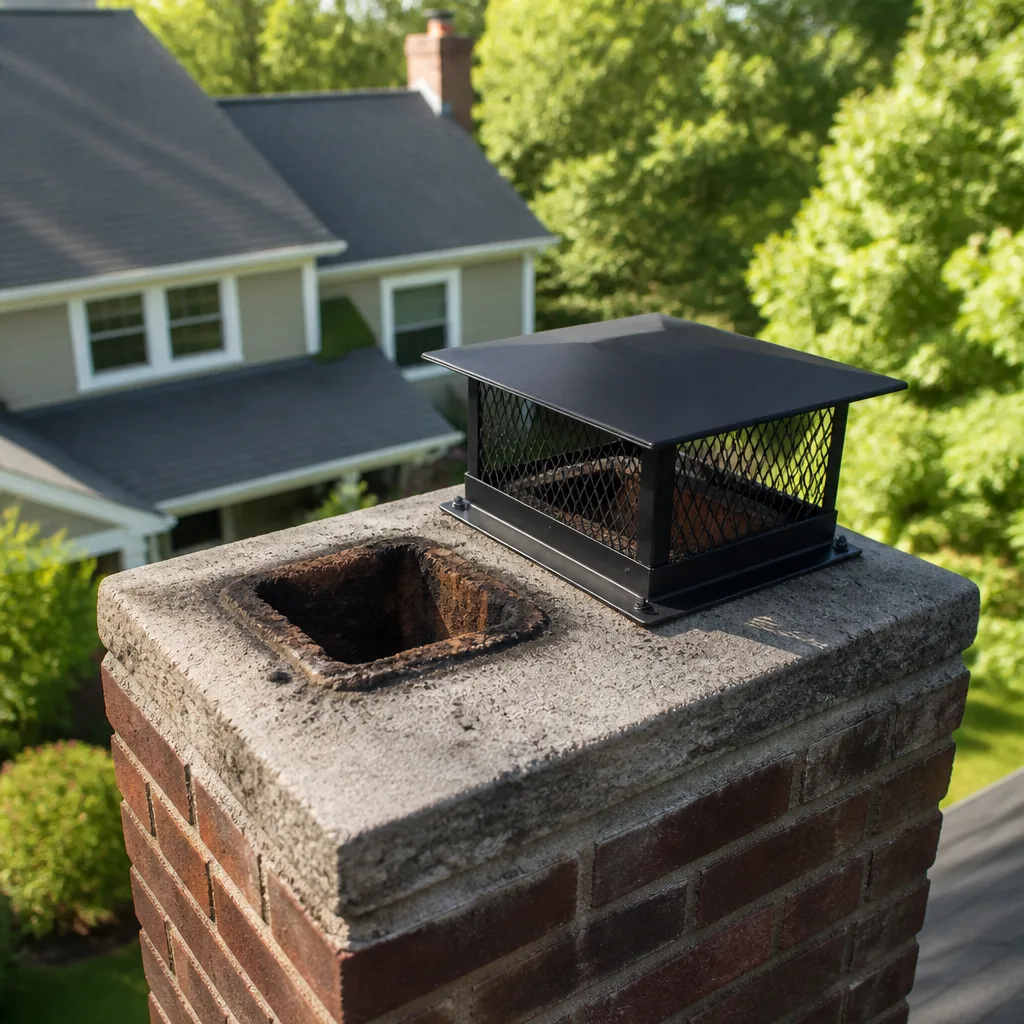
The crown is the concrete or masonry cap that sits on top and sheds water away from the flue. Deterioration looks like cracking, crumbling at the edges, or a crown that’s pulling away from the flue. A crown that fails is the single most common entry point for water in a Layton chimney. HeatShield resurfacing and crown repair address this directly.
2. The Flashing
Flashing is the metal that seals the gap where the chimney passes through the roof. Deterioration looks like lifted edges, rust, gaps, or sealant that’s cracked and pulling away. Bad flashing sends water down into the attic and ceiling, often far from the chimney itself.
3. The Mortar Joints
Mortar holds brick together and takes the brunt of the freeze-thaw cycle. Deterioration looks like soft, crumbling, or recessed mortar between bricks. Recessed joints let water sit and freeze, which is how a small repair turns into repointing or rebuilding.
4. The Cap
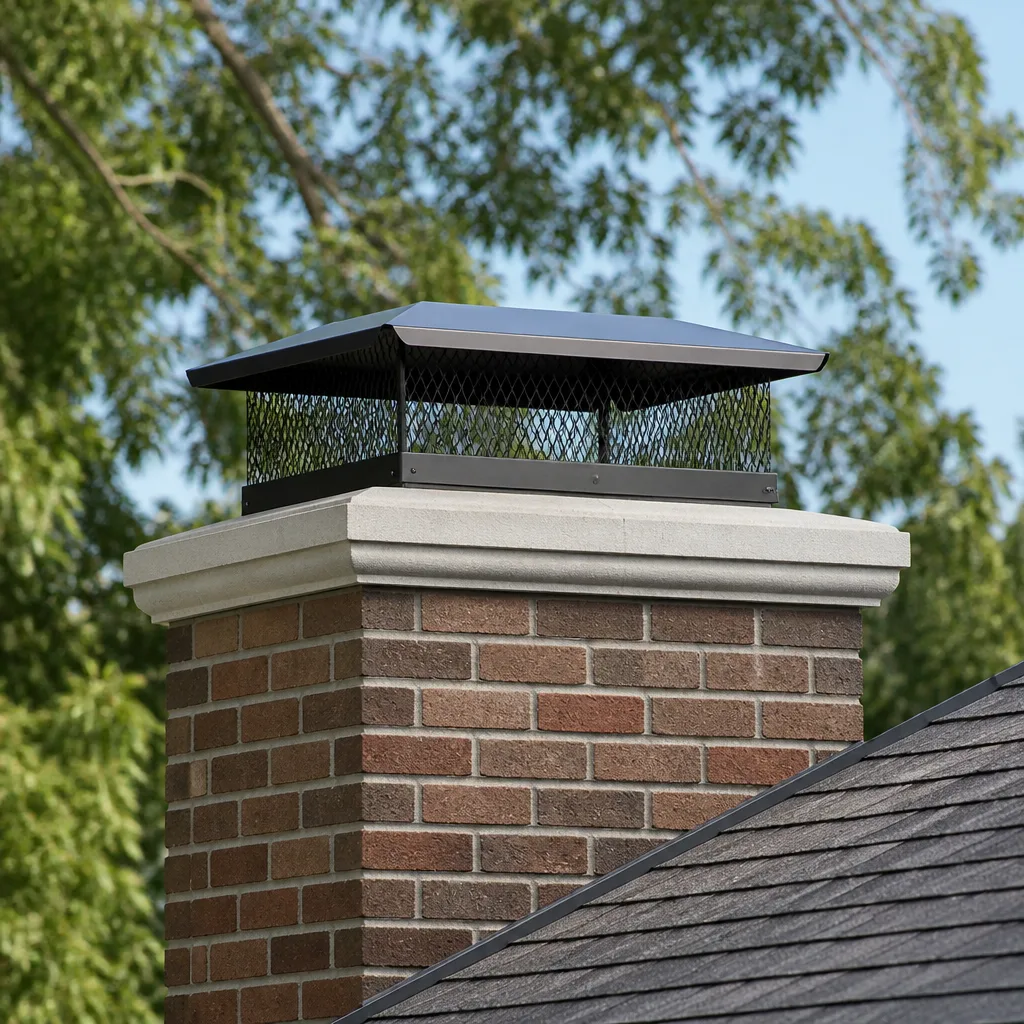
The cap covers the top of the flue and keeps out rain, animals, and debris while letting smoke escape. Deterioration looks like a missing, rusted, or damaged cap, or a cap that’s come loose. An uncapped flue is an open door for water and wildlife.
5. The Brick Face
The brick face is the visible outer surface. Deterioration looks like spalling, where the face of the brick flakes or pops off, plus efflorescence (white staining) and hairline cracks that grow with each freeze. Spalling brick is a sign water is getting in and freezing, and it needs to be addressed before it spreads.
We stock and install caps and crowns from the professional-trade lines we work with, including Famco and Copperfield, so the repair matches the exposure it’s taking. Chimney cap and crown work is one of our five core services because it’s the kind of weather-defense maintenance that prevents the water damage we get called for again and again.
Gas Insert vs. Wood-Burning: Two Different Maintenance Paths
Here’s a piece of chimney maintenance logic that surprises a lot of Layton homeowners: a gas insert is not a low-maintenance appliance. Yes, it produces far less visible soot and ash than a wood fire. No, that doesn’t mean it can be skipped. Gas and wood-burning fireplaces wear differently, and each needs its own maintenance routine.
Wood-Burning Fireplaces
Wood fires produce smoke, and smoke carries creosote, a tar-like byproduct that builds up on the flue walls. The more you burn, the faster it builds. Wood-burning chimneys need annual sweeping based on use volume, plus a full inspection to catch cracked tiles and damaged dampers. The creosote itself is the safety concern: severe buildup can ignite, and that’s the main reason annual sweeping matters.
Gas Inserts
Gas inserts burn cleanly and produce almost no creosote, so it’s tempting to assume there’s nothing to maintain. But gas appliances still need an annual inspection and cleaning. The venting, burner, and gaskets all wear, and the heat exchanger and vent connections need to be checked for safety. A gas insert that hasn’t been looked at in years can develop a venting issue that lets combustion byproducts into the home, which is a carbon monoxide concern. Gas appliances also tend to accumulate dust and debris in the firebox that a wood fire would burn off. An annual visit catches these early.
What This Means for Your Checklist
- Wood-burning: sweep and inspect annually, more often if you burn heavily.
- Gas insert: inspect and clean annually, and pay close attention to venting and connections.
- Mixed or converted setups: tell your technician exactly what the appliance is and how it’s vented. Older converted fireplaces sometimes have venting that doesn’t match the current use.
Our Layton Chimney Sweep technicians handle both paths, and our experience with gas and wood setups means you get advice that fits your actual appliance, not a generic script.
Reading Creosote: Stage 1, 2, and 3 and What Each Requires
Creosote is the byproduct of wood smoke that coats the inside of the flue, and it’s graded in stages that determine what kind of cleaning the chimney needs. Knowing the stages helps you understand why a routine sweep isn’t always enough.
- Stage 1: Sooty, flaky creosote. This is the lightest form, a thin, flaky, or dusty coating. A standard sweep handles it. If your chimney is at this stage, you’re in good shape and on a normal maintenance schedule.
- Stage 2: Crusty, hardened creosote. This is thicker, darker, and more brittle, and it clings to the flue walls. A standard sweep still works, but it takes more effort and the buildup tells you the flue was overdue. This is the stage where a sweep is genuinely necessary rather than just good housekeeping.
- Stage 3: Glazed, hardened creosote. This is the dangerous stage: a shiny, hardened glaze that’s nearly the texture of candle wax. It’s the most flammable form and can ignite. A standard brush sweep won’t remove Stage 3 creosote; it takes a chemical treatment before the sweep can do its job. This is the stage where skipping maintenance becomes a real fire risk.
Why does Layton see creosote buildup faster than some climates? The long, cold heating season. A home that burns wood through a long Layton winter builds creosote more quickly than one with a shorter season, and damp or unseasoned firewood makes it worse. That’s why the October sweep before the first fire matters so much, and why the “skip a year” habit catches up with people here.
Our inspection tells you which stage you’re at, and our sweep or chemical treatment addresses it accordingly. If you ever wonder whether you need a standard sweep or something more, that’s exactly the kind of question a professional inspection answers. Call (877) 492-2589 to book an inspection.
Documentation Habits That Protect Your Home
Chimney maintenance records are boring until the day you need them. Two situations make them suddenly important: selling the home, and filing an insurance claim. A simple maintenance log protects you in both. Here’s what’s worth keeping.
- Photograph the exterior each spring. Take a few photos from the ground showing the crown, flashing, cap, and brick face each March. Year-to-year photos show deterioration that’s hard to notice in person.
- Photograph the interior before and after a sweep. A before-and-after of the firebox and flue shows what was found and what was done.
- Save the inspection report. Keep the written report from each inspection, including any photos your technician takes. The camera inspection and photo report give you evidence you can refer back to.
- Keep all receipts and written estimates. A written estimate sets the final price, so keep the copy. Receipts for repairs show the work was done.
- Log the dates. Note when each sweep, inspection, and repair happened. A simple dated log is enough.
- Record what was installed and what brand it was. If a cap, crown, or liner is installed, note the product line (for example, a DuraFlex liner system or a HeatShield-resurfaced flue). This matters for warranty questions and for the next owner.
- Store it all in one place. A single folder, physical or digital, keeps everything together.
Why bother? When you sell a home in Layton, a documented maintenance history is a tangible record of care that a buyer or their inspector can review. When you file a claim, documentation of maintenance shows the system was properly cared for, which can make the claims process smoother. Documentation is cheap insurance, and it costs you nothing but a habit.
Common Mistakes to Avoid
- Skipping the annual inspection because the fire “seems fine.” A fire can burn without any obvious problem while the flue behind it has a cracked tile or a creosote glaze building up. The problems that matter most are the ones you can’t see from the hearth, which is why annual inspection isn’t optional.
- Burning wet or unseasoned wood. Damp firewood burns cooler and produces far more creosote than dry wood. In Layton’s long heating season, that extra creosote adds up fast, so buy seasoned wood and store it covered and off the ground.
- Ignoring the crown until it leaks. A crown crack is easy to see each spring and far easier to repair than the liner water damage it causes. Check it every March, before the spring rains.
- Assuming a gas insert needs no maintenance. Gas inserts still need annual cleaning and an inspection of the venting and connections. Less visible soot doesn’t mean nothing to check.
- Putting off spring repairs. A crown crack or flashing gap found in March is best fixed in spring or summer. Waiting until fall means the problem has another winter to grow and the repair window gets compressed.
- Letting the chimney go uncapped. An open flue invites rain, birds, and debris, then next spring you’re looking at a blockage. A cap prevents the whole category of problem.
- Keeping no records. When you go to sell or file a claim, an undocumented chimney gives you nothing to point to. A dated log and a few photos change that.
See the difference
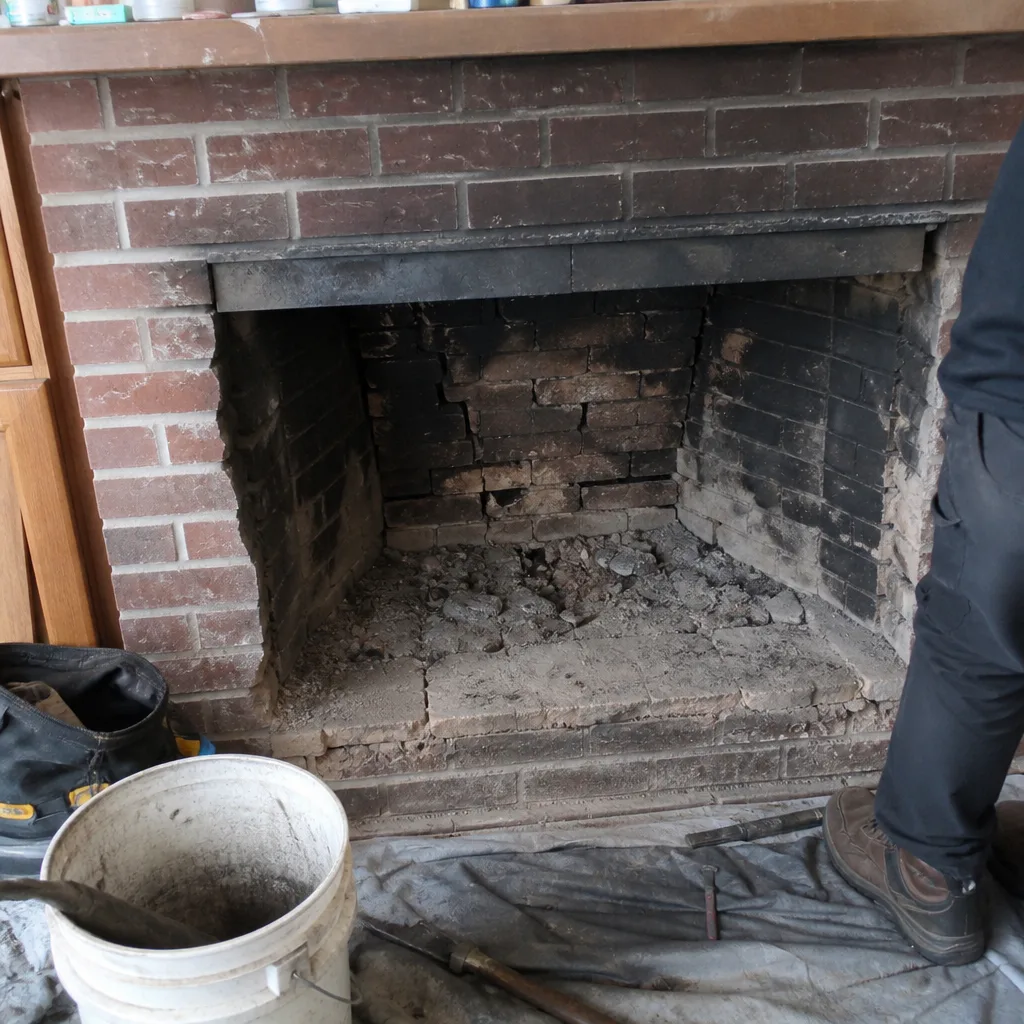 Before
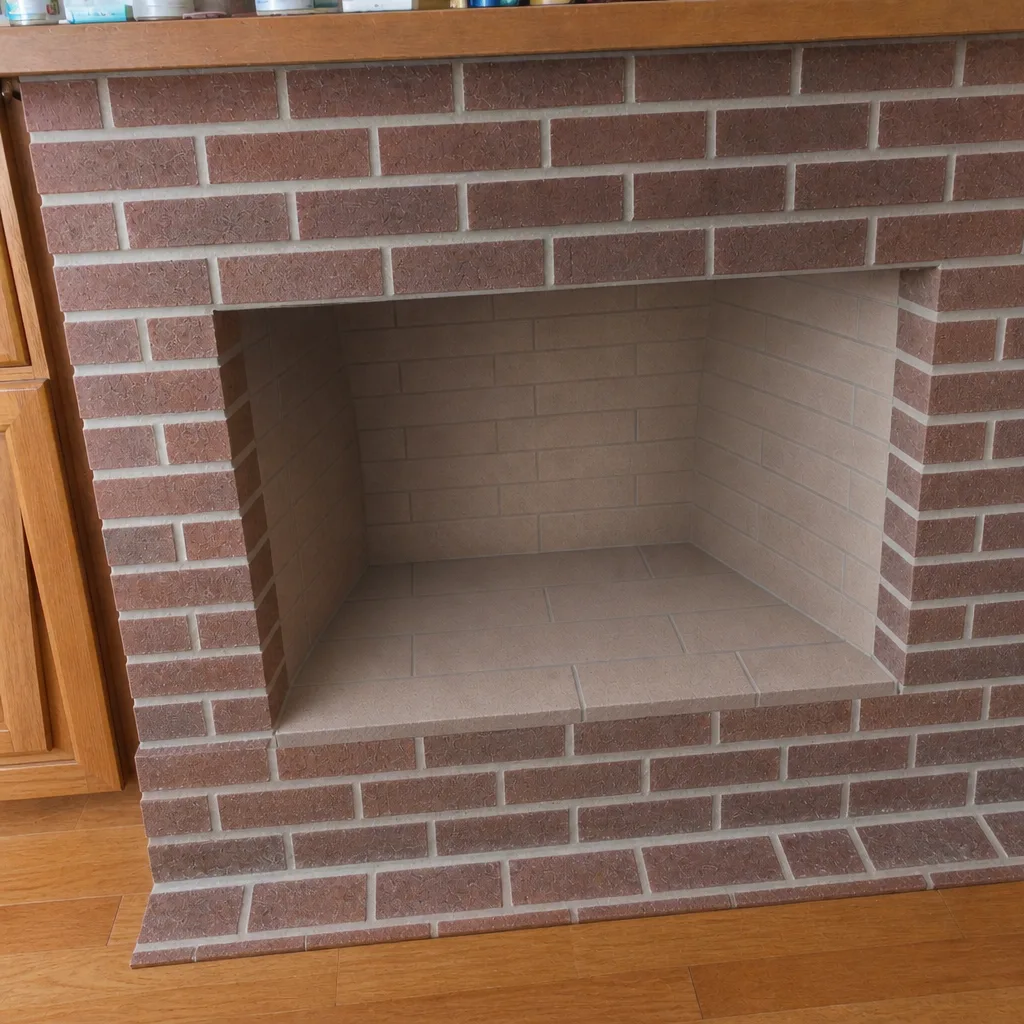 After
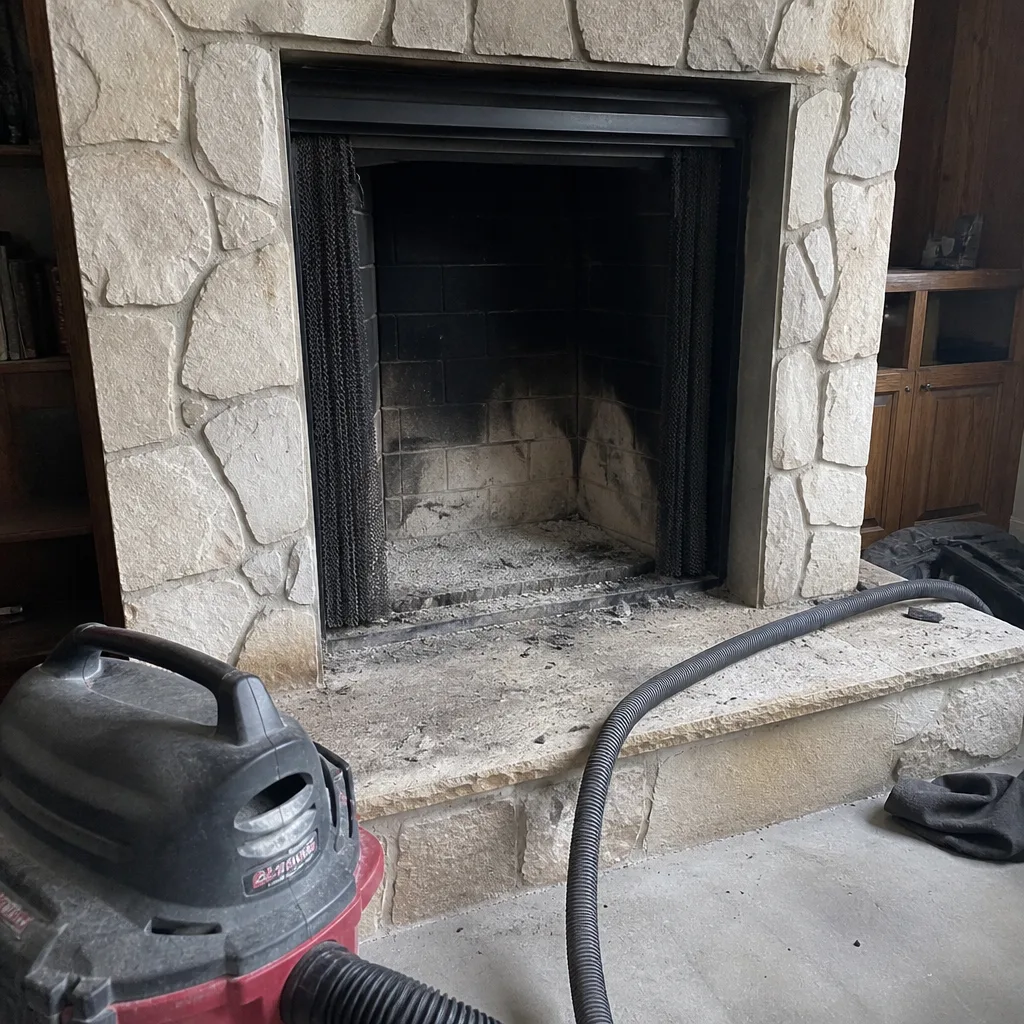 Before
 After
 Before
 After
When to Call a Professional
Some checks are yours to make each spring and fall. Some need a trained eye and a camera. Call a professional when you see any of these:
- A crown crack wider than a hairline, or any crumbling at the crown edges.
- Water staining, efflorescence, or dampness near the chimney inside the home.
- Spalling brick, or mortar that’s soft and crumbling.
- Flashing that’s lifted, rusted, or pulling away.
- A missing, loose, or damaged cap.
- A smoky fire, a damper that won’t close, or a smell of smoke in the room.
- Hissing, popping, or a firebox that seems to be drawing poorly.
- A gas insert that hasn’t been serviced and inspected in a while.
- Any suspected carbon monoxide issue. Leave the home and call emergency services first, then call us about the chimney.
If you’re not sure, that’s a reason to call, not a reason to wait. Layton Chimney Sweep offers free estimates in Layton. We inspect it, clean it, and fix it in one visit, from one company, with the full service range to handle what we find. Call (877) 492-2589. We answer 24/7. Fast dispatch from 7am to 7pm, Sunday through Friday.
Frequently Asked Questions
Once a year for most homes, with more frequent sweeping if you burn wood heavily through the long Layton heating season. Gas inserts still need an annual cleaning and inspection even though they produce far less visible debris. The right interval depends on how much you burn and what stage of creosote you’re at, which an inspection determines. Call (877) 492-2589 to book an inspection and get an exact recommendation.
Small problems grow quietly. A crown crack lets water into the flue, cracked tiles go unnoticed, and creosote builds to a stage that’s harder and more expensive to remove. The risk that matters most is creosote reaching the glazed stage, which is flammable. Skipping one year is usually recoverable; skipping several seasons in a cold climate like Layton’s isn’t something to leave to chance. Call (877) 492-2589 to get back on schedule.
Yes. Gas inserts produce far less soot, but the venting, gaskets, and connections still wear, and those are the parts that matter for carbon monoxide safety. Annual inspection catches venting problems and keeps the appliance running as designed. Call (877) 492-2589 for an inspection.
A sweep cleans the flue; an inspection evaluates the condition of the whole system, including parts a sweep doesn’t touch. We do both, and a full inspection includes a camera view and a photo report so you can see what we find. Most problems we find during an inspection, we can repair the same day. Call (877) 492-2589 to schedule.
Stage 3 creosote is glazed and shiny, like hardened wax, and it’s the most flammable stage. You can’t reliably judge the stage yourself without seeing the full flue, so an inspection is the right way to know. If it’s Stage 3, a chemical treatment is needed before a standard sweep can remove it. Call (877) 492-2589 for an inspection that identifies the stage.
They prevent the water damage and animal intrusions that cost far more to fix than to prevent. A cap keeps rain, birds, and debris out of the flue, and a sound crown sheds water away from the chimney structure. In a freeze-thaw climate like Layton’s, that defense is worth having in place before winter. Call (877) 492-2589 for a free estimate on cap and crown work.
The Bottom Line
Chimney maintenance in Layton is a seasonal rhythm, not a one-time chore. October is your pre-season sweep and inspection. March is your exterior check after the freeze-thaw cycle. July is your dormant-season window to handle repairs and catch animal activity. Add an annual look at the five exterior components (crown, flashing, mortar, cap, and brick face), match your routine to whether you burn wood or gas, learn your creosote stage, and keep a simple log of dates and photos. Do those things and you stay ahead of the water intrusion and creosote buildup that drive most chimney damage here. Skip them and the small stuff gets a whole winter to compound. The full-service path, sweep, inspect, repair, and cap and crown in one company, makes the checklist easier to keep.
Layton Chimney Sweep handles the complete range under one roof: sweeping, inspection, fireplace repair, chimney repair, and chimney cap and crown installation, using professional-grade lines including HeatShield, DuraFlex, Famco, and Copperfield. Our technicians have up to 12 years of experience, and the work is done by the local pro who is licensed and insured as their state requires. We use HeatShield and DuraFlex because those materials hold up to the exposure this climate delivers.
Ready to work through the checklist with someone who knows what Layton chimneys go through? Call Layton Chimney Sweep at (877) 492-2589 for a free estimate. We answer 24/7. Fast dispatch from 7am to 7pm, Sunday through Friday. We’ll inspect it, clean it, and fix it in one visit, and we won’t recommend a thing you can’t see for yourself in the photo report.
Written by the team at Layton Chimney Sweep.