
Last updated November 24, 2026
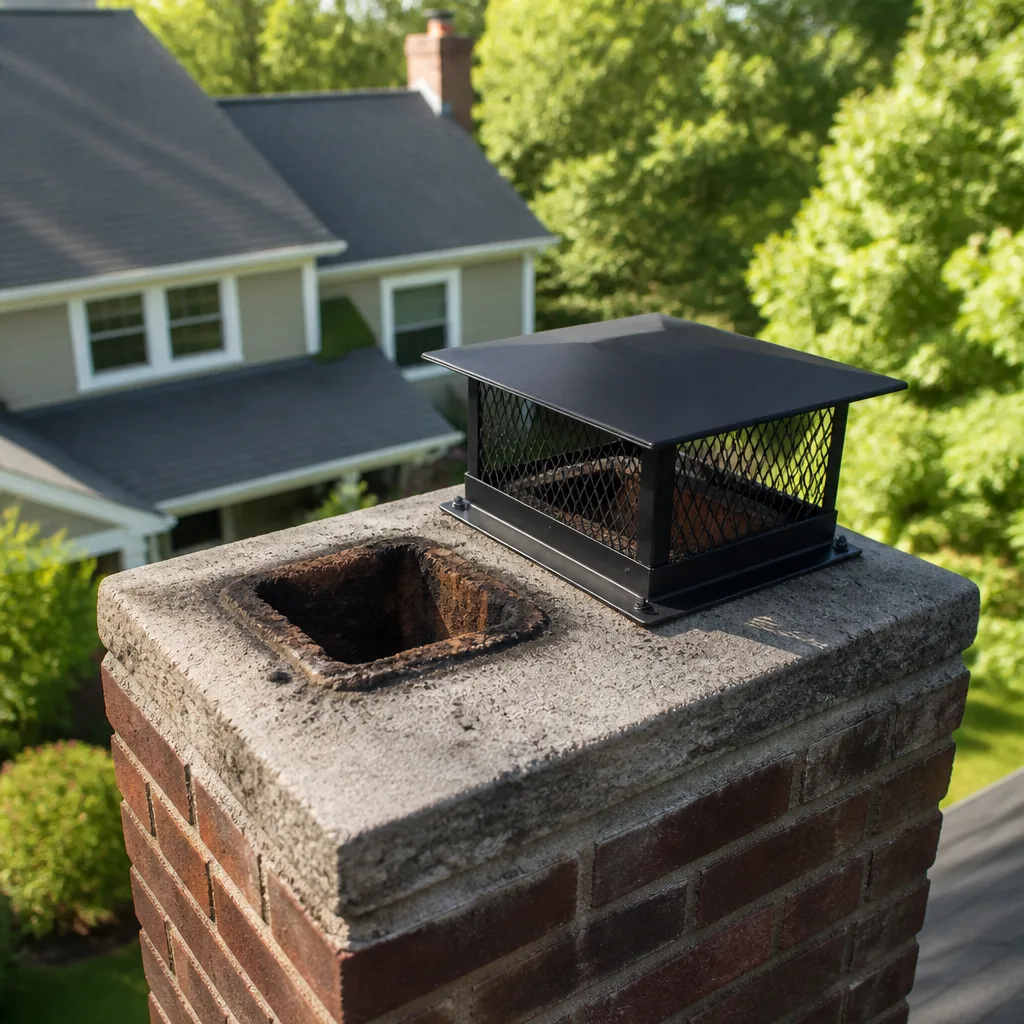 Sweep & inspection
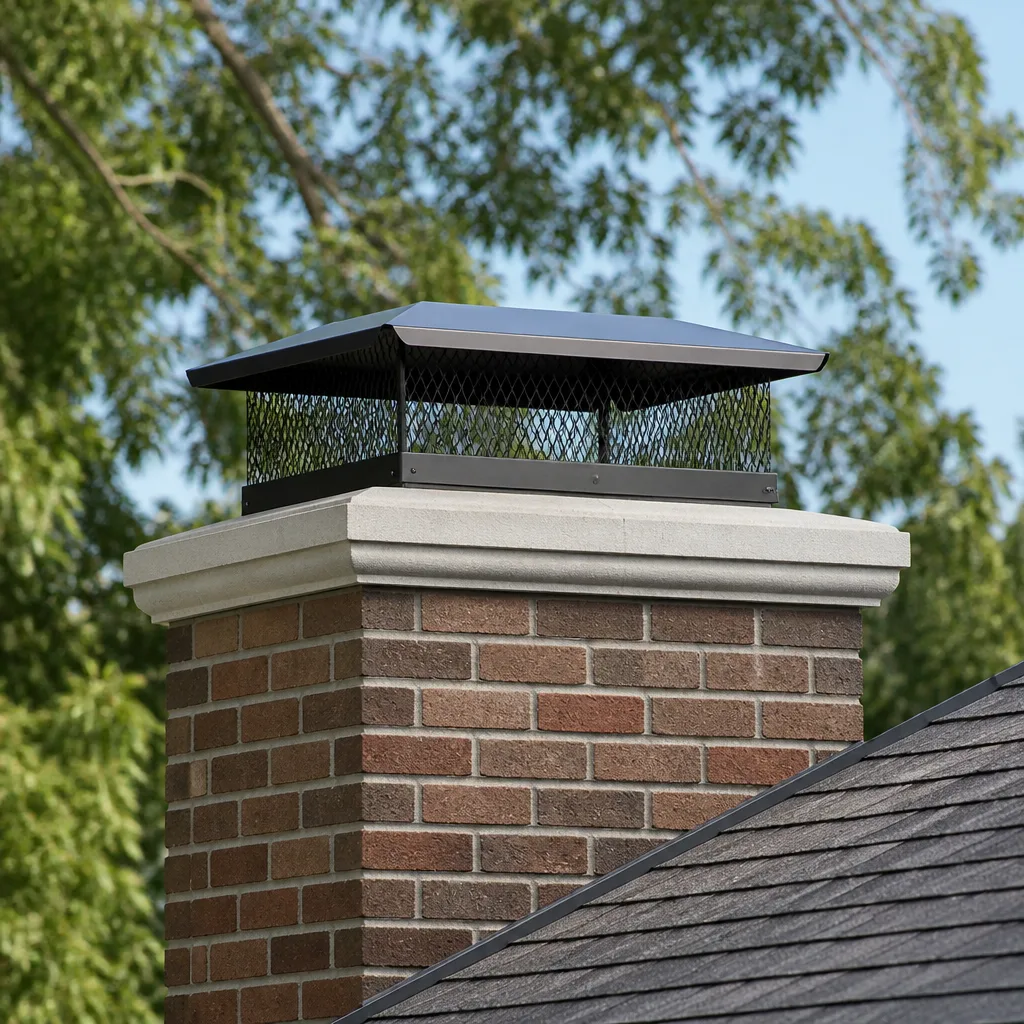 Caps & crowns
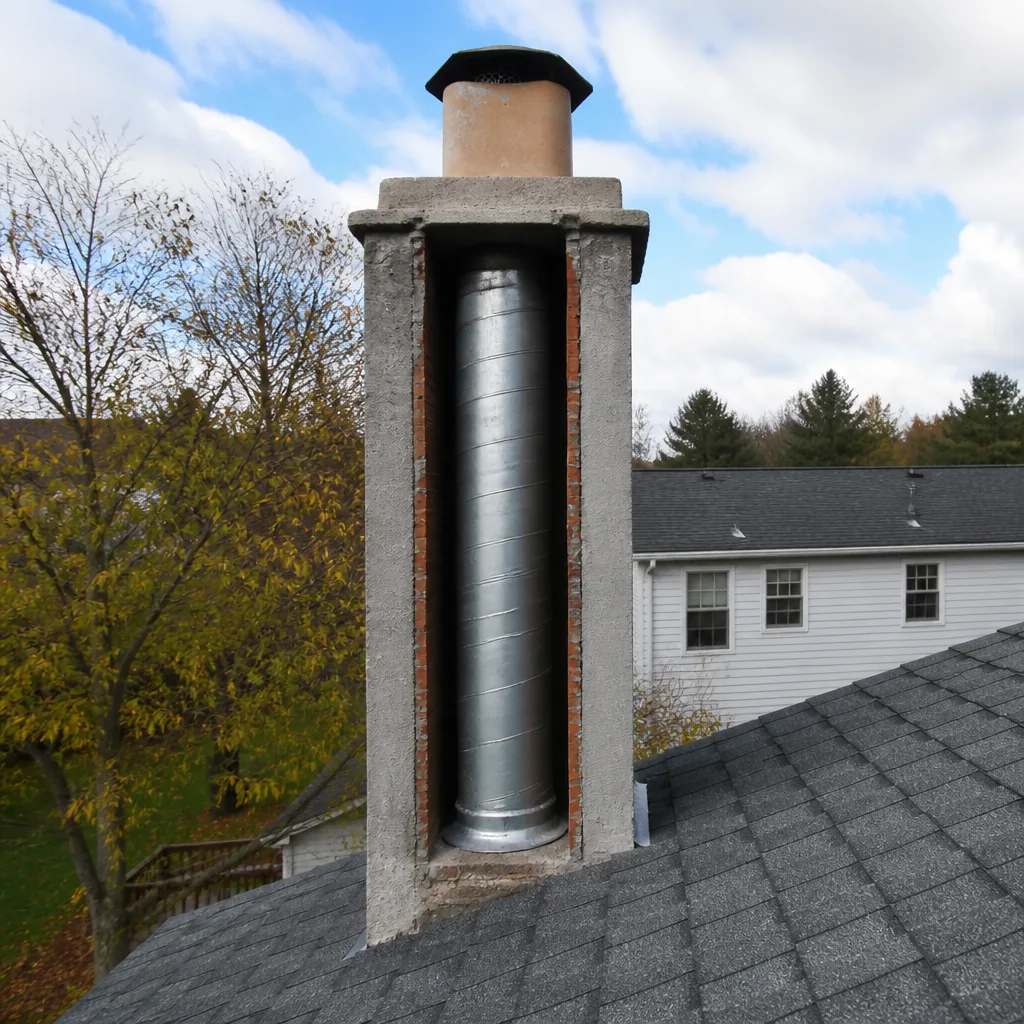 Flue relining
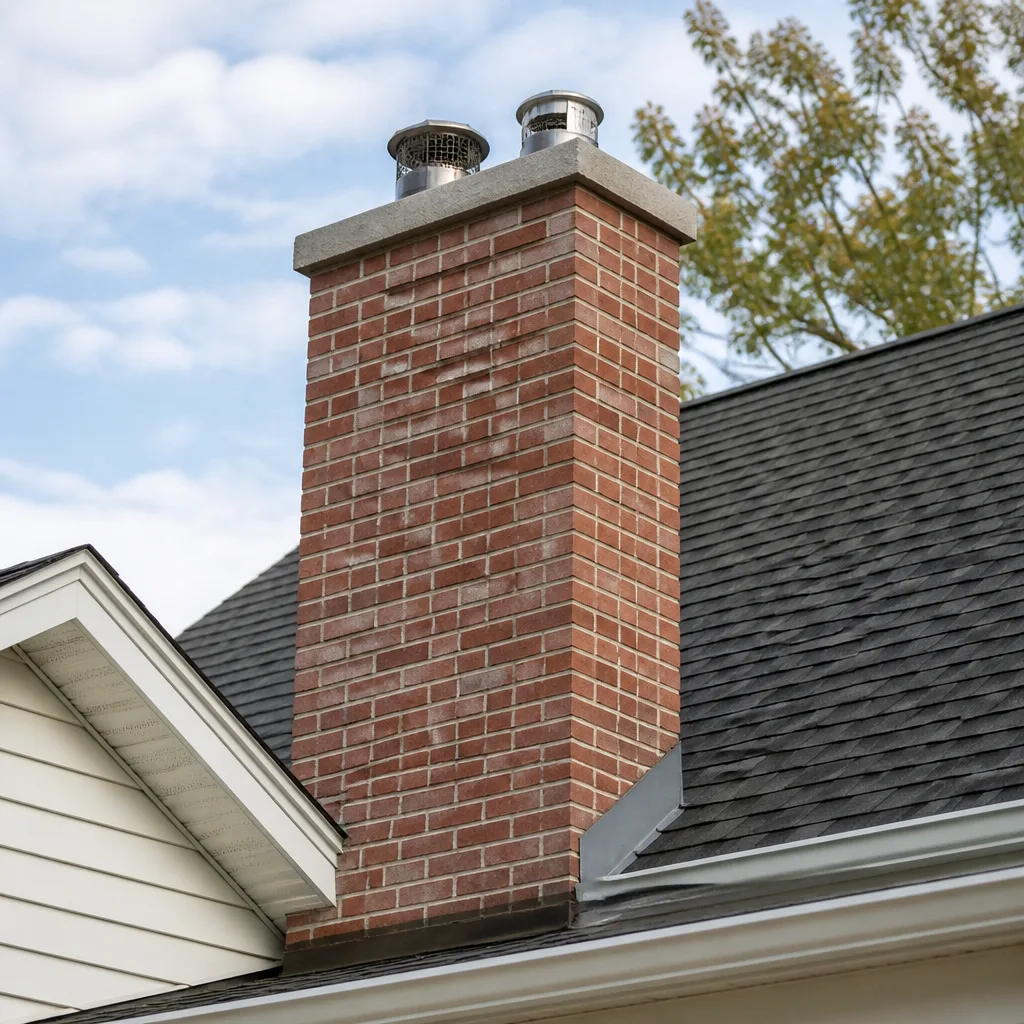 Masonry repair
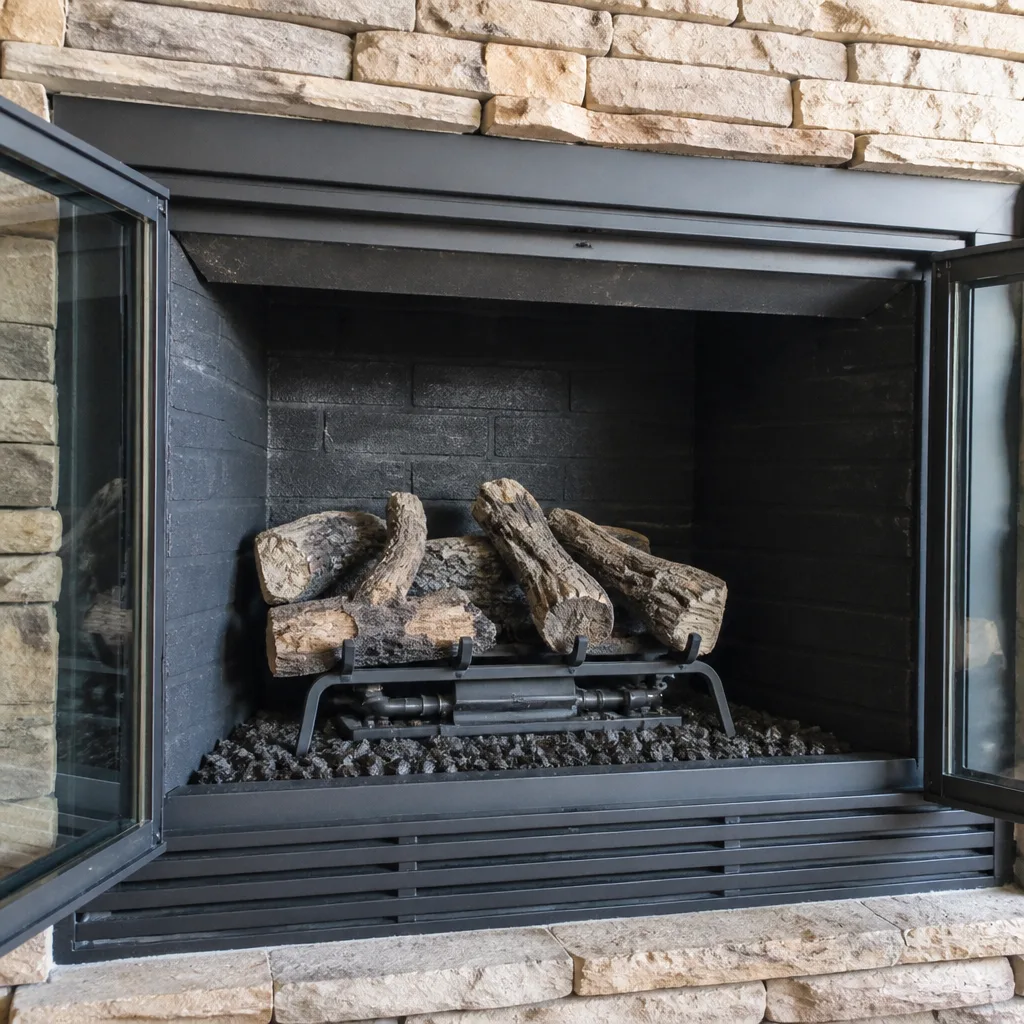 Gas fireplace service
Level 1 sweep and inspection to the NFPA 211 annual standard - flue, crown, cap, and flashing checked and photographed
Chimney sweep logs do not sweep chimneys. They loosen some creosote - which then falls where a brush and vacuum still have to collect it.
Chimney Cleaning Permits, Codes & Inspections in Layton, UT: What You Need to Know
Here’s the split most Layton homeowners never hear clearly: routine cleaning almost never needs a permit, but the moment the work becomes an alteration, Utah’s residential code requirements apply. The line between the two is where trouble starts. A sweeping is maintenance. A liner replacement, a smoke chamber rebuild or a firebox reconstruction is construction, and construction needs a permit and an inspection. Miss that distinction and you can end up with work that looks fine on the surface but raises questions at a home sale, with your insurer, or worse, after a chimney fire. This guide explains where the line falls in Layton, what the code actually covers, when a Level 2 inspection is required, and how to verify permit history on a home you’ve just bought. Bring a notepad.
Quick Answer
In Layton, routine chimney cleaning and sweeping do not require a permit. However, work that alters the chimney structure, such as liner replacement, smoke chamber repair, firebox rebuilding or appliance changes, typically requires a permit and inspection under Utah’s adopted residential code and NFPA 211 standards. A Level 2 inspection is required for real estate transactions, after a chimney fire, and when the appliance or fuel type changes.
Styles & brands we work with
- Sweep & inspection
- Caps & crowns
- Flue relining
- Masonry repair
- Gas fireplace service
Table of Contents
- When Does Chimney Work Need a Permit in Layton?
- What Utah’s International Residential Code Means for Your Chimney
- Level 2 Inspections: When They’re Required and Who Can Perform Them
- Unpermitted Work and Your Homeowner’s Insurance
- How to Verify Permit History on a Layton Home
- How Layton’s Climate and Housing Stock Affect Chimney Work
- The Three Levels of Chimney Inspection, Explained
- Common Mistakes to Avoid
When Does Chimney Work Need a Permit in Layton?
The dividing line is maintenance versus alteration, and it’s firmer than most people expect. Cleaning creosote, installing a rain cap, and replacing a spark screen are maintenance. Once you’re cutting into the flue, rebuilding the firebox, or changing how the chimney is constructed, you’ve crossed into alteration, and alteration is what the permitting system exists to track.
The work that usually requires a permit in Layton:
- Chimney liner replacement – swapping a clay tile flue for a stainless system like DuraFlex, or relining after a tile failure
- Smoke chamber repair or rebuild – including resurfacing with HeatShield where the geometry is being restored
- Firebox reconstruction – rebuilding masonry that has spalled or cracked apart
- New appliance installation – a wood stove, insert or gas appliance vented through the chimney
- Chimney height changes – extending a flue to clear the roofline properly
- Structural masonry repair – crown replacement when it involves more than cosmetic patching, and any rebuild of the chimney column itself
Work that typically does not require a permit:
- Routine sweeping and creosote removal
- Standard cap installation on an existing flue
- Cosmetic crown sealing
- Minor damper adjustment
- Level 1 and Level 2 inspections (these are assessments, not construction)
One caution: local jurisdictions set their own thresholds, and Layton’s building department makes the final call on what needs a permit. When a repair looks borderline, the right move is to ask them before the work starts, not after. We’ve seen homes where a beautiful liner install turned into a paperwork problem because nobody asked.
What Utah’s International Residential Code Means for Your Chimney
Utah has adopted the International Residential Code, and Section R1001 is the part that governs chimney and fireplace construction. R1001 addresses clearance to combustibles, flue lining requirements, wall thickness, height above roofline, and the standards a masonry or factory-built chimney must meet to be considered safe and code-compliant.
What that means in practical terms for a Layton homeowner:
- Clearance to combustibles is non-negotiable. Framing, insulation or trim too close to a chimney is a fire waiting for the right conditions. R1001 sets specific distances, and inspections check them.
- Flue lining is required. A chimney without a proper liner, or with a cracked or deteriorated one, doesn’t meet code and isn’t safe to use.
- Height requirements matter. The 3-2-10 rule (at least 3 feet above the roof at the penetration, 2 feet above anything within 10 feet) is part of the standard because short chimneys draft poorly and spill smoke.
- Factory-built chimneys have their own listing requirements. They must be installed according to their manufacturer’s instructions, and alterations that violate those instructions void the listing.
R1001 is reinforced by NFPA 211, the national standard for chimneys, fireplaces, vents and solid fuel appliances. NFPA 211 covers inspection levels, maintenance requirements and repair standards. Utah’s code references this framework, which is why a Level 2 inspection performed to NFPA 211 is the gold standard when a buyer, insurer or realtor asks for documentation.
Why does this matter to you? Because unpermitted work often violates R1001 in ways you can’t see from the living room. A liner that’s been incorrectly sized, a flue with inadequate clearance, or a smoke chamber that was patched rather than rebuilt all pass the eye test but fail the code test. When we look at a chimney in Layton that’s had work done, checking it against R1001 and NFPA 211 is how we know whether it’s genuinely sound. It’s also why we stock professional-trade materials for repairs: HeatShield for resurfacing, DuraFlex for relining, and Gelco or Olympia Chimney for components that meet the standards the code demands.
Level 2 Inspections: When They’re Required and Who Can Perform Them
A Level 2 inspection is a more thorough evaluation than a routine annual check. It includes everything in a Level 1 plus examination of accessible portions of the chimney interior, attic, crawlspace and other areas, often using a camera. Under NFPA 211, a Level 2 inspection is required in specific circumstances.
Those circumstances are:
- Before a real estate transaction. A buyer or seller needs documented evidence of the chimney’s condition. This is the single most common trigger.
- After a chimney fire. Any fire event, even a small one the homeowner believes was contained, can damage flue tiles and compromise the liner.
- When the appliance changes. Swapping from wood to gas, adding an insert, or replacing a stove with one of a different input rating all trigger the requirement.
- When a different fuel type is being used. Converting a wood-burning fireplace to gas or pellet requires an inspection to verify the venting is appropriate.
- After an earthquake or other event that could have damaged the chimney. Utah sits in a seismically active region, and a chimney is one of the most vulnerable parts of a home.
Who can perform a Level 2? NFPA 211 doesn’t license inspectors directly; it defines a standard of competence. The person performing it should be trained and experienced in chimney inspection, familiar with the code, and equipped to document findings with photos and a written report. Certification through CSIA or NFI is the clearest signal of that competence, though many excellent inspectors work under the supervision of certified credentials rather than holding the letters themselves.
Ask for the report. A Level 2 inspection that produces nothing written didn’t happen, as far as your insurer, your realtor or your future buyer are concerned. Our chimney inspection and sweep service includes a camera inspection, a photo report and a written summary precisely because that’s what the paperwork side of this trade demands.
Unpermitted Work and Your Homeowner’s Insurance
Homeowner’s insurance policies vary, but most contain a clause that excludes or limits coverage for damage caused by work that didn’t comply with code or wasn’t permitted. In plain terms: if a chimney fire damages your home, and the investigation finds that the liner was replaced without a permit, the insurer may dispute the claim. That dispute can range from a hassle to a nightmare, and it happens more often than homeowners realize.
What to look for in your policy:
- Ordinance or law coverage – this addresses whether the insurer will pay to bring non-compliant work up to code after a loss. Without it, you might be on the hook for the code-compliance portion of the repair.
- Exclusions for faulty workmanship – a repair done incorrectly that later causes damage may not be covered.
- Exclusions for work not done in accordance with code – the most common sticking point. If the work wasn’t permitted and inspected, there’s no independent record that it was done right.
- Concealment or misrepresentation clauses – if you knew about unpermitted work and didn’t disclose it, the insurer has a stronger argument to deny a claim.
None of that means every insurance dispute goes against the homeowner. It means the burden of proof shifts. With a permit and inspection record, you have an independent, third-party verification that the work met code. Without it, you’re relying on the word of whoever did the work, and if that was a sweep company that didn’t pull permits, that’s a thin defense.
We’re not insurance agents, and we don’t read policies for a living. What we can say is that in our experience, the homeowners who avoid claim headaches are the ones who asked “does this need a permit?” before the work started and got the answer in writing. If you’re unsure about your situation, ask your agent directly. A ten-minute phone call beats a disputed claim.
How to Verify Permit History on a Layton Home
If you’ve bought a home in Layton with older chimney work, verifying what was permitted is straightforward, and worth doing before you light a fire in the fireplace.
- Contact the Layton City building department. Ask them to pull the permit history for your address. They can tell you what permits were issued, when, and whether the work was finaled with an inspection.
- Request copies of any permits and inspection reports. If the work was permitted correctly, there should be a paper trail.
- Ask the seller or their realtor for any documentation they have. Receipts, warranty paperwork, and inspection reports are all useful. Absence of documentation isn’t proof of a problem, but it’s a reason to get an independent inspection.
- Schedule a Level 2 inspection on any work with an uncertain history. A trained inspector can often tell from a camera inspection whether a liner was correctly installed, whether the flue was resized correctly, and whether there are indications of unpermitted repairs.
- If unpermitted work is found, get it evaluated before using the fireplace. Sometimes the work is fine and just needs a retroactive permit. Sometimes it’s not fine at all. The only way to know is an inspection.
If you’ve found an unpermitted repair, the next step is usually a professional evaluation and, if needed, corrective work. That’s where a company that can do both the inspection and the repair matters. When we find a problem during an inspection, we can handle the chimney repair in the same relationship, using materials that meet code, without sending you shopping for a second company.
How Layton’s Climate and Housing Stock Affect Chimney Work
Layton is high-desert, sitting at the northern end of the Wasatch Front, with cold winters, dry summers and significant temperature swings between day and night. That has direct consequences for chimneys that inland, non-desert climates don’t experience.
Freeze-thaw cycles at the crown. Water gets into the top of the chimney, freezes overnight, expands, and works the crown and masonry apart over many seasons. Crown repair and cap installation aren’t cosmetic in Layton; they’re a durability issue.
Dry air and low humidity. The creosote deposits that form in a Layton flue tend to be drier than in humid climates, but that doesn’t make them less flammable. Dry, flaky creosote (the third-degree kind) ignites easily and burns hot. Annual inspection matters here because creosote buildup happens fast in a frequently used fireplace.
Inversion air quality and burn bans. Northern Utah’s air inversions lead to burn restrictions during certain winter days. Homeowners tend to use their fireplaces more heavily on the days burning is allowed, which concentrates use into shorter periods and accelerates creosote accumulation.
Older housing stock in established neighborhoods. Homes in Layton’s older core often have original masonry chimneys that haven’t been relined or inspected in decades. Homes in newer developments may have factory-built chimneys installed when the home was built, which have their own service life and inspection requirements. Either way, a first inspection on a newly purchased home in Layton is almost always worth the money.
We don’t tell every homeowner they need work. In Layton, more often than not, the finding is something small (a missing cap, a cracked crown, a bit of creosote) that gets handled in one visit rather than a major rebuild. The point of the inspection is to know, not to sell.
The Three Levels of Chimney Inspection, Explained
NFPA 211 defines three levels of inspection, each one more thorough than the last. Knowing the difference helps you ask for the right one.
Level 1 Inspection
The basic annual inspection. Visual, non-invasive, and performed with the appliance in regular use. It covers the easily accessible portions of the chimney (firebox, damper, visible flue and cap) and confirms whether the chimney is safe to continue using. Most routine annual service calls in Layton are Level 1, sometimes paired with a cleaning.
Level 2 Inspection
More thorough, and required when the chimney has changed (new appliance, fuel type change), after a chimney fire, or during a real estate transaction. The inspector uses a camera to examine the accessible portions of the flue, checks the attic, crawlspace and other concealed areas, and produces a written report with photos. A Level 2 is the appropriate baseline when you’ve just bought a home.
Level 3 Inspection
Reserved for cases where a Level 1 or 2 has identified a problem that can’t be fully evaluated without opening up walls, the chimney or other building components. Level 3 is invasive and typically follows a suspected structural problem or a significant fire event.
In our experience, the Level 2 is the one homeowners most often skip and most often need. If you’ve just bought a home in Layton and the seller’s last inspection was years ago, book a Level 2. It costs more than a sweep and it may find things, but the alternative is guessing.
How Much Does Chimney Cleaning and Inspection Cost in Layton?
Pricing varies with the work and the chimney, but most routine services fall within predictable ranges. These are typical estimates, not a quote; the written estimate sets the final price.
| Service | Typical estimated range |
|---|---|
| Standard chimney sweep (Level 1, includes cleaning) | $175 – $325 |
| Level 2 inspection (camera, written report) | $250 – $450 |
| Chimney cap installation | $200 – $450 |
| Crown repair or resurfacing | $350 – $850 |
| Stainless liner install (DuraFlex or equivalent) | $2,500 – $5,500 |
| HeatShield smoke chamber resurfacing | $900 – $2,200 |
| Firebox masonry repair | $600 – $2,000 |
Line items may read differently depending on your chimney, the length of the flue, whether scaffolding is needed, and how much repair is genuinely necessary. We don’t quote a number before we’ve seen the chimney, and we don’t recommend work without camera evidence you can see for yourself. If the inspection says the liner is sound and only the cap needs replacing, that’s the estimate you get. If the liner is failing, we’ll show you the video and explain both options: relining now, or safe deferral until a later replacement.
One note on unpermitted work: if a prior install was done incorrectly and needs correction, the cost can exceed a straightforward install. Retrofitting a properly sized and correctly terminated liner sometimes means undoing what’s already in the flue. It’s part of why we check permit and inspection records on any home with a repair history in Layton before we quote the job.
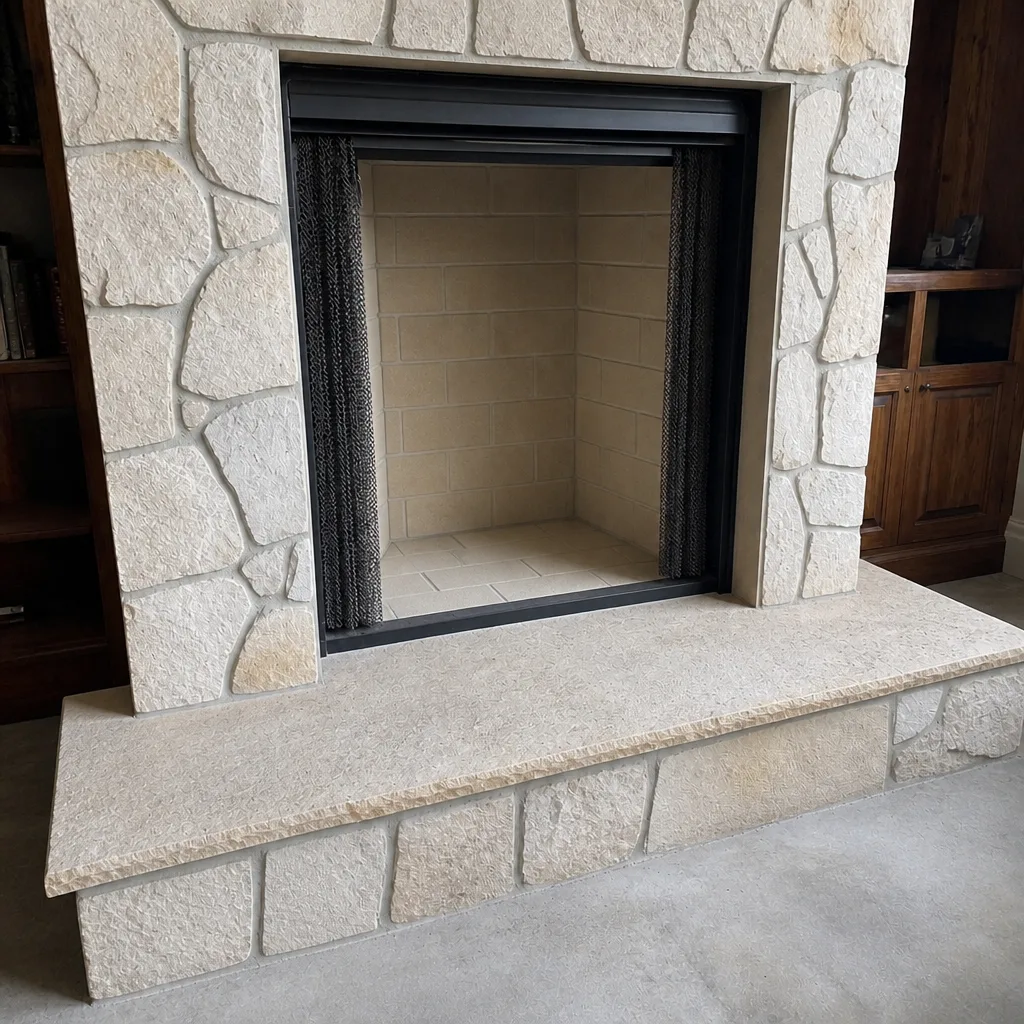
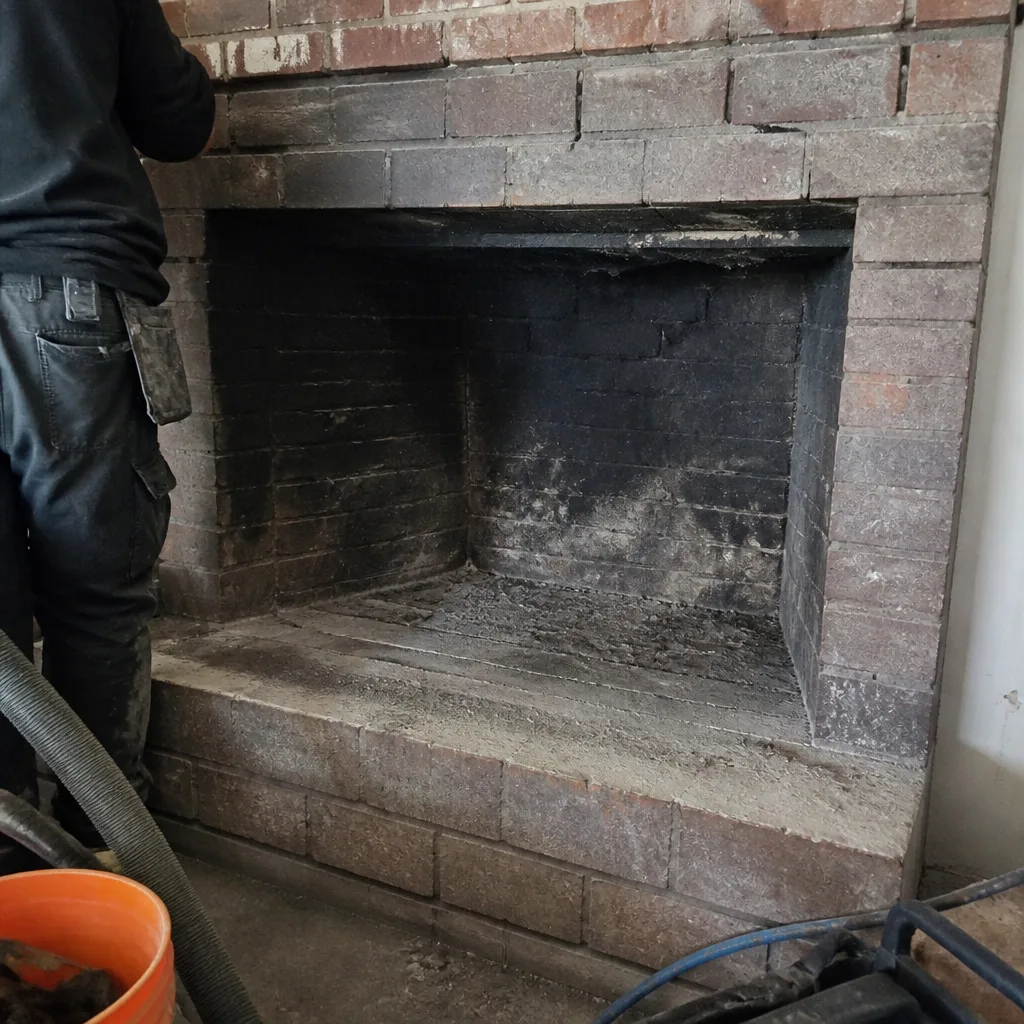
See the difference
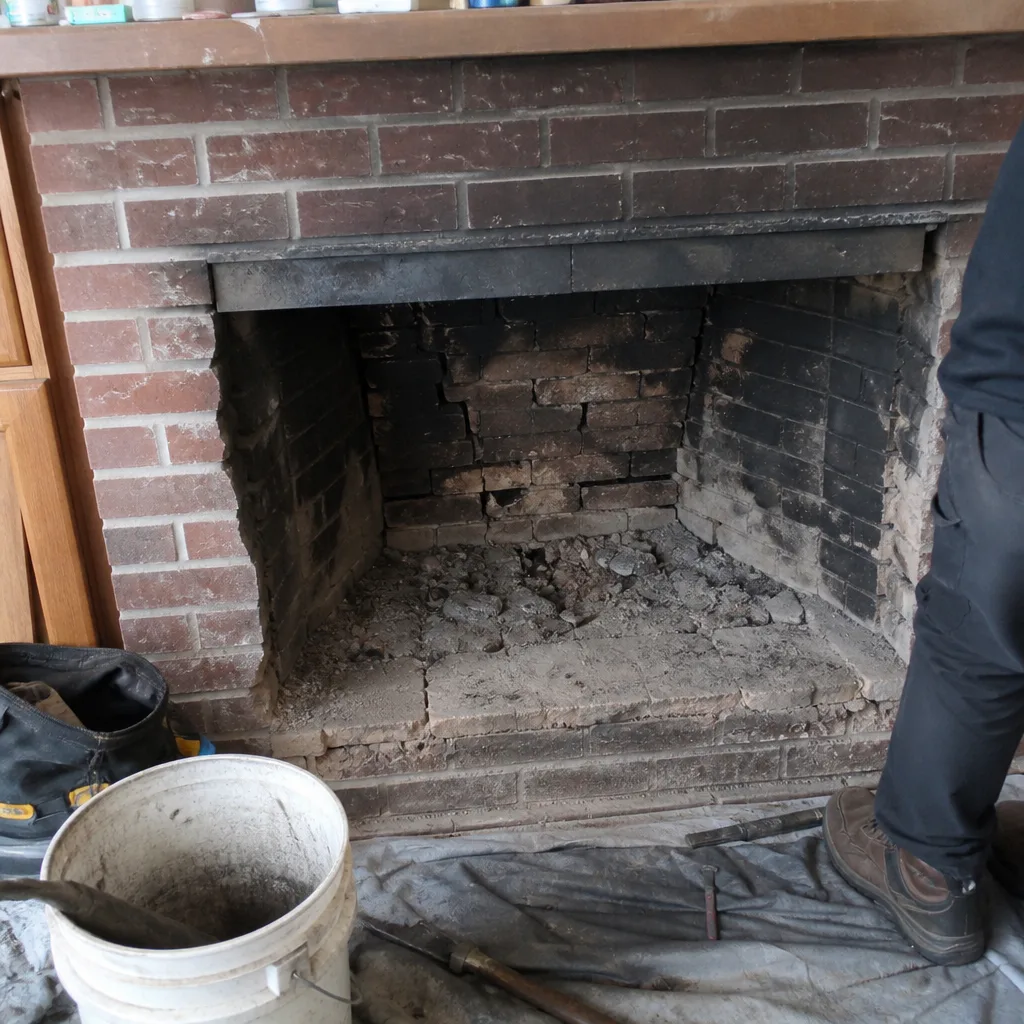 Before
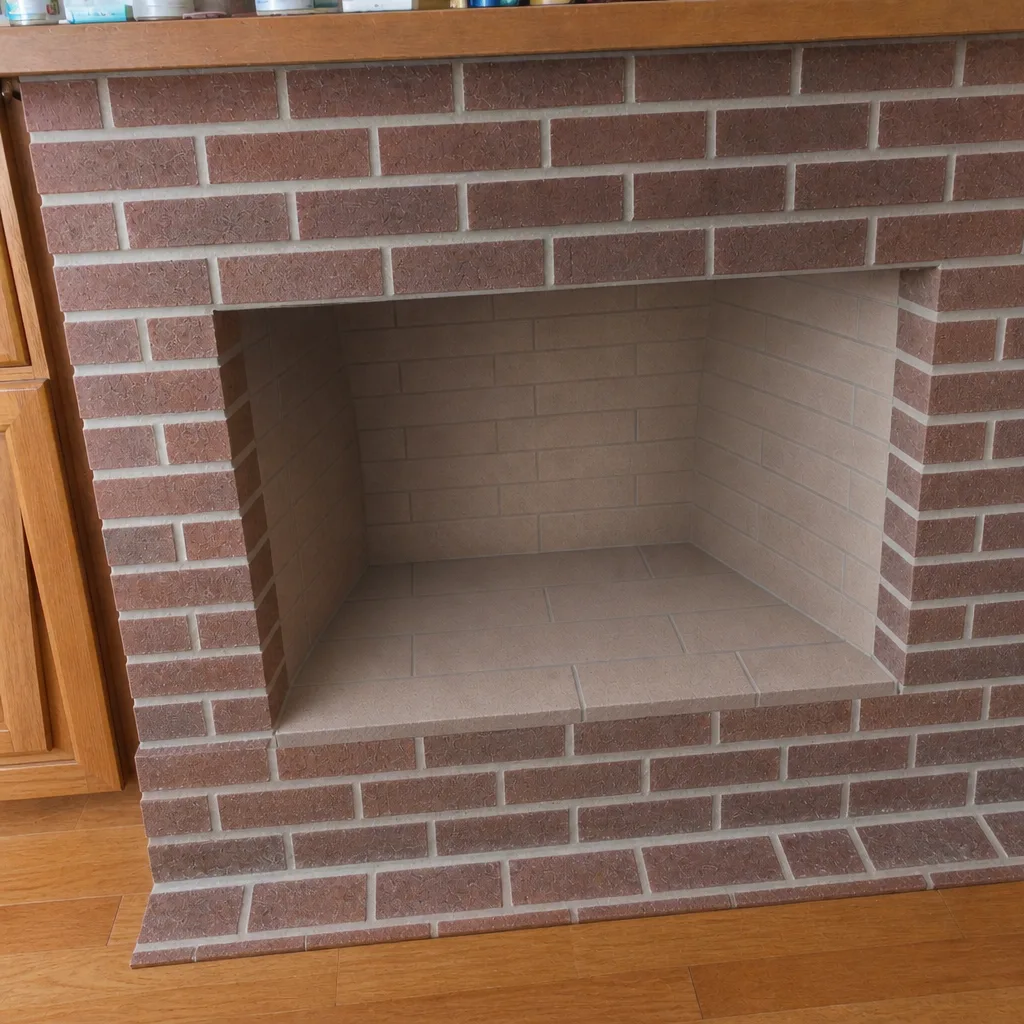 After
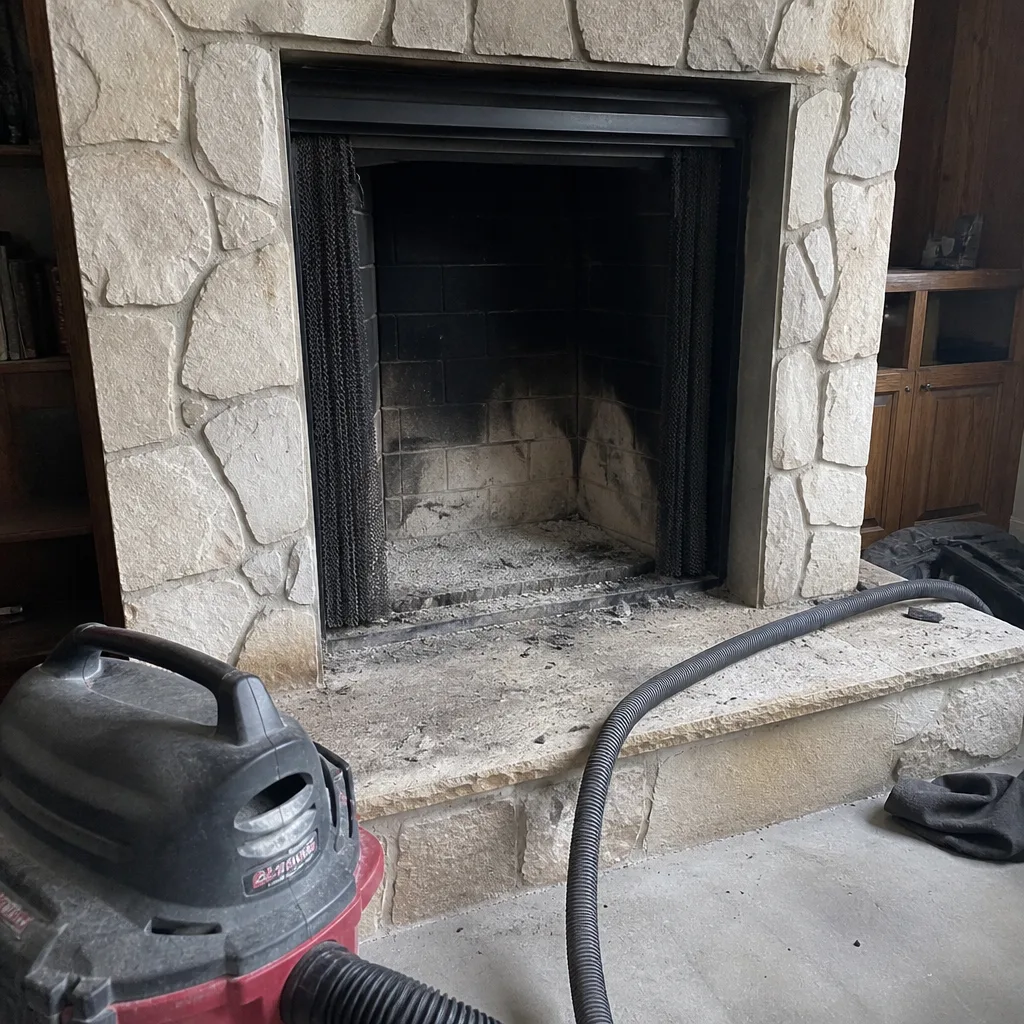 Before
 After
 Before
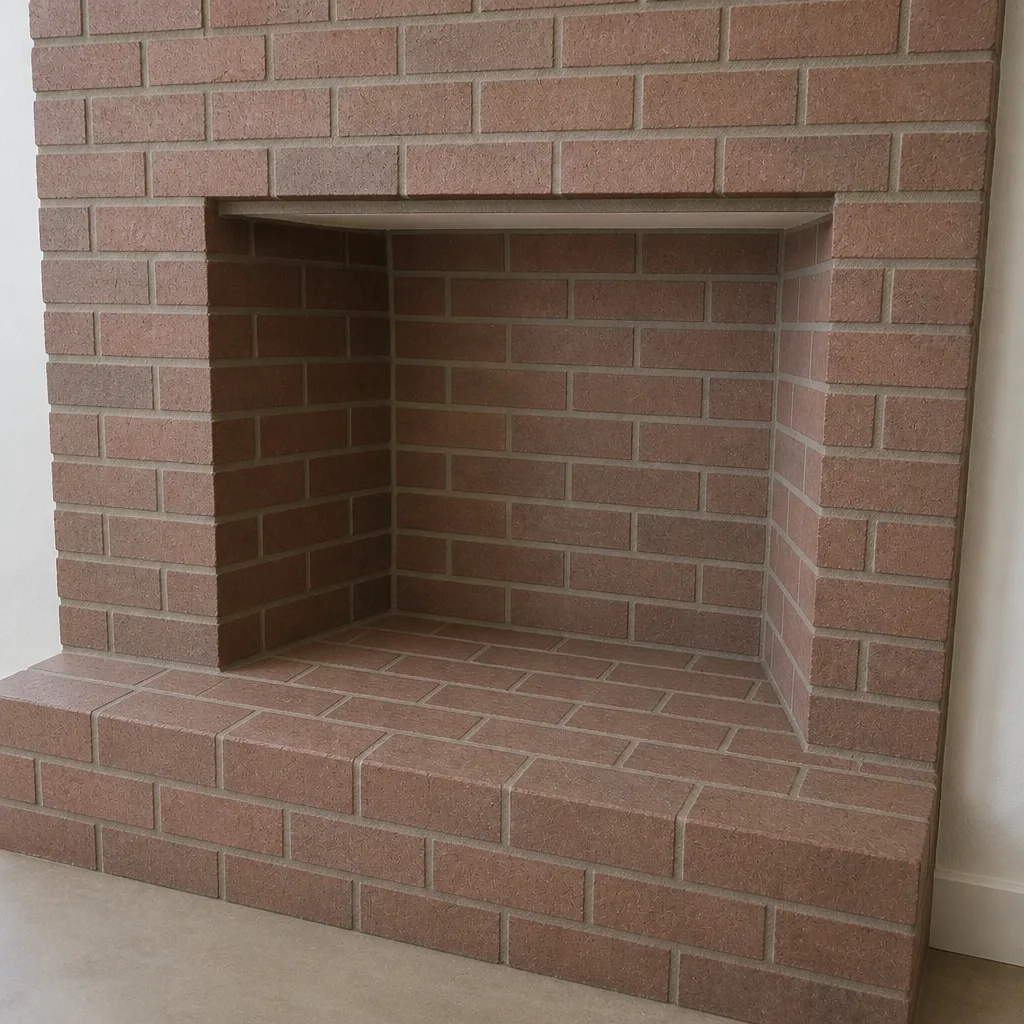 After
Common Mistakes to Avoid
- Assuming a sweeping covers it. A sweep cleans the flue; it doesn’t necessarily verify structural soundness. If your fireplace hasn’t been inspected by someone who can also repair what they find, a cleaning alone may miss a real problem. Ask for the inspection report, not just a clean flue.
- Skipping the permit because the installer said so. Some chimney work requires permits and some doesn’t, but the answer isn’t something a contractor decides unilaterally. The Layton building department makes that call. If an installer tells you no permit is needed on a liner replacement or firebox rebuild, ask them to put that in writing, then verify with the city.
- Assuming a “home inspection” covered the chimney. A general home inspector is not a chimney specialist, and their inspection typically doesn’t include the level of detail a Level 2 requires. If you bought a home in Layton with a fireplace and the report says nothing about the chimney, that’s a gap, not a clean bill of health.
- Using the fireplace after a chimney fire without an inspection. A chimney fire can leave damage that’s invisible from the room. NFPA 211 requires a Level 2 after a fire. Skipping it puts the structure and the household at risk.
- Ignoring the crown. Small cracks in the crown above the chimney seem cosmetic but let water in, which freezes and works the masonry apart over the winter. A cheap fix today can prevent an expensive rebuild later. Cap and crown work isn’t optional maintenance in Layton’s freeze-thaw climate.
- Hiring a sweep-only company for a repair. If the inspection turns up a failing liner, a sweep-only crew will refer you to a mason, who refers you to someone else, and the paper trail gets lost. Working with one company from inspection to repair keeps the permit, the install, and the inspection record together, which matters when you sell or file a claim.
- Not asking about materials. Generic hardware-store liners don’t always meet the listing requirements for a particular appliance. Contractor-grade materials from DuraFlex, HeatShield, Gelco or Olympia Chimney are made for this work. Ask what’s being installed and why.
When to Call a Professional
Some chimney work is safe to inspect yourself; a lot of it isn’t. Call a trained professional when: your fireplace hasn’t been inspected in over a year of regular use; you’ve had a chimney fire, even a small one; you’ve just bought a home in Layton with a fireplace and don’t have inspection records; you’re noticing smoke rolling into the room, a damper that doesn’t close, or staining on the chimney exterior; you’re planning a liner replacement, insert installation, or firebox repair; or a realtor or buyer has asked for a Level 2 inspection. Creosote and masonry problems aren’t things to assess from the ground with binoculars, and high flues and unstable crowns are genuinely dangerous to work on without proper equipment. Layton Chimney Sweep offers free estimates in Layton – call (877) 492-2589. We answer 24/7. Fast dispatch from 7am to 7pm, Sunday through Friday.
Frequently Asked Questions
No. Routine chimney cleaning and sweeping are maintenance, not alteration, and don’t require a permit in Layton. A permit becomes necessary when the work crosses into structural alteration: liner replacement, smoke chamber rebuild, firebox reconstruction, or appliance installation. If you’re unsure which category your repair falls into, ask the Layton building department before the work starts. That conversation takes five minutes and prevents a much longer one later.
NFPA 211 requires a Level 2 inspection for real estate transactions that involve a fireplace or solid fuel appliance, and most realtors and lenders treat it as standard practice. The inspection documents the chimney’s condition, and that documentation protects both buyer and seller. If your realtor hasn’t asked for one, ask them why. Call (877) 492-2589 to book an inspection – estimates are free.
Your insurer may dispute the chimney-related portion of the claim if the work that caused the damage wasn’t permitted or wasn’t done to code. The specific language to look for is an exclusion for faulty workmanship or work not in accordance with code. Whether it affects your claim depends on your policy, the cause of the damage, and the evidence. The safest position is to have a permit and an inspection record that shows the work was done correctly. Call (877) 492-2589 if you want an inspection to verify your chimney’s current state.
NFPA 211 calls for an annual inspection, with sweeping as needed based on how much creosote has built up. In Layton’s dry climate, creosote tends to be drier and more flake-like, which is still flammable. Homeowners who burn frequently should expect a sweep most years, and heavy burners may need more frequent service. An annual inspection tells you whether a sweep is actually necessary. Call (877) 492-2589 for a free estimate on a sweep and inspection.
NFPA 211 defines the standards of a Level 2 inspection but doesn’t itself license inspectors. The person performing it should be trained and experienced in chimney inspection and familiar with the code. CSIA or NFI credentials are a strong signal, though not every qualified inspector holds them. What matters is the process: a camera inspection, a written report with photos, and a clear recommendation grounded in code. Ask to see a sample report before you book. Call (877) 492-2589 to schedule.
Often yes. If you’ve bought a home in Layton with chimney work of uncertain history, the local building department can usually tell you what’s on record and what a retroactive permitting path looks like. Sometimes the work is fine and close to code; sometimes it needs to be corrected before it can be brought into compliance. Either way, the first step is an inspection by someone who can evaluate it. Call (877) 492-2589 for a free estimate – the inspection findings will tell you what’s actually needed.
The Bottom Line
Routine Layton chimney cleaning doesn’t need a permit, but liner replacement, firebox repair, smoke chamber rebuilds and appliance installation almost always do. That distinction is where insurance claims, home sale disclosures and code compliance all converge. If you’re in doubt, ask the city, and get an inspection by someone who can also handle the repair if one is needed. Our team has up to 12 years of experience, we use professional-grade materials from brands like DuraFlex, HeatShield and Olympia Chimney, and we work with your insurer when documentation is required. Call (877) 492-2589 for a free estimate.
You want to know whether your chimney is safe to use before burning season, not after something goes wrong. Start with a proper inspection. From there, everything else (the permit question, the repair decision, the insurance paperwork) gets much simpler, and you’ll have camera evidence, a written report and a permit record you can actually rely on.
If you’re ready to move forward on any of what’s covered here, whether that’s a cleaning, an inspection or a repair, reach out to Layton Chimney Sweep and schedule the work. For a straightforward booking, start with a chimney sweep, or if the inspection turned up masonry or firebox issues, we can help with fireplace repair in the same relationship. Call (877) 492-2589. We answer 24/7. Fast dispatch from 7am to 7pm, Sunday through Friday.
Written by the team at Layton Chimney Sweep.